 English
 Spanish
 French
 Bengali
 Russian
 Arabic
 Turkish
Introduction
Thebending radiusin roll forming plays a crucial role indetermining profile accuracy, material integrity, and overall production efficiency. Selecting the right bending radius ensuresoptimal forming performance, minimal defects, and extended machine life.
But how do youcalculate the correct bending radius for roll forming applications? What are thebest practices for adjusting machine settings based on bending radius?
In this guide, we’ll explore: ✅How bending radius impacts roll forming ✅Recommended bending radii for different metals ✅How to adjust roll forming machines for different radii ✅Common bending radius problems & solutions ✅How to optimize roll forming for small and large bending radii
Let’s dive intothe critical role of bending radiusin roll forming and how tooptimize your production for maximum efficiency in 2025!
How Bending Radius Affects Roll Forming
1. Material Stress & Spring-Back
- Smaller bending radiigeneratehigher stress, increasing the risk ofcracking and material fatigue.
- Larger bending radiireducespring-back effects, leading tobetter dimensional accuracy.
2. Machine Load & Roller Wear
- Tighter bends require greater force, leading tohigher wear on dies and rollers.
- Gradual bends distribute stress evenly, extendingmachine life.
3. Profile Accuracy & Surface Finish
- Incorrect bending radii can cause deformations, leading topoor-quality profiles.
- Optimized bending angles ensure smooth material flow, reducingsurface imperfections.
4. Speed & Energy Consumption
- Tighter bends require slower speedsto allowgradual material flow.
- Wider bends can be formed faster, optimizingproduction efficiency.
Pro Tip:Correct bending radius selection can reduce forming defects by up to 30%!
Recommended Bending Radius For Different Metals
Different metals haveunique bending properties, requiringspecific bending radius rangesfor optimal performance. Below is a comparison ofrecommended minimum bending radii for different metals.
| Material Type | Recommended Minimum Bending Radius (Times Material Thickness) | Best Applications |
|---|---|---|
| Mild Steel | 1.0 – 2.0× thickness | Structural components, roofing sheets |
| Stainless Steel | 2.0 – 3.0× thickness | Automotive, aerospace, medical equipment |
| Aluminum | 1.5 – 3.0× thickness | Lightweight structures, HVAC, enclosures |
| Galvanized Steel | 1.0 – 2.5× thickness | Corrosion-resistant frames, construction materials |
| Copper & Brass | 0.5 – 1.5× thickness | Electrical components, decorative trim |
Pro Tip:Stainless steel requires larger bending radii due to its high spring-back effect!
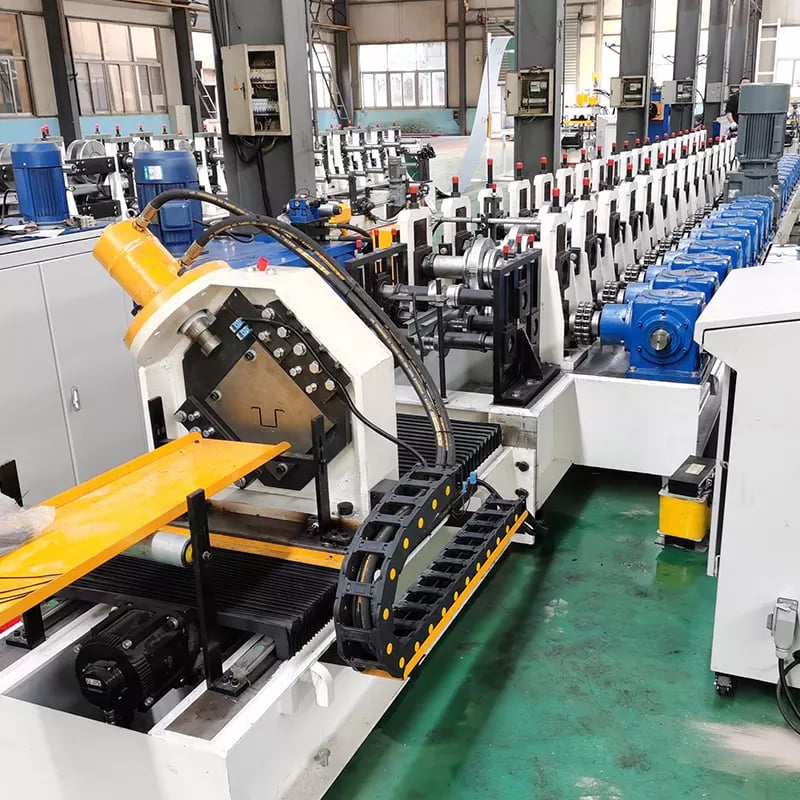
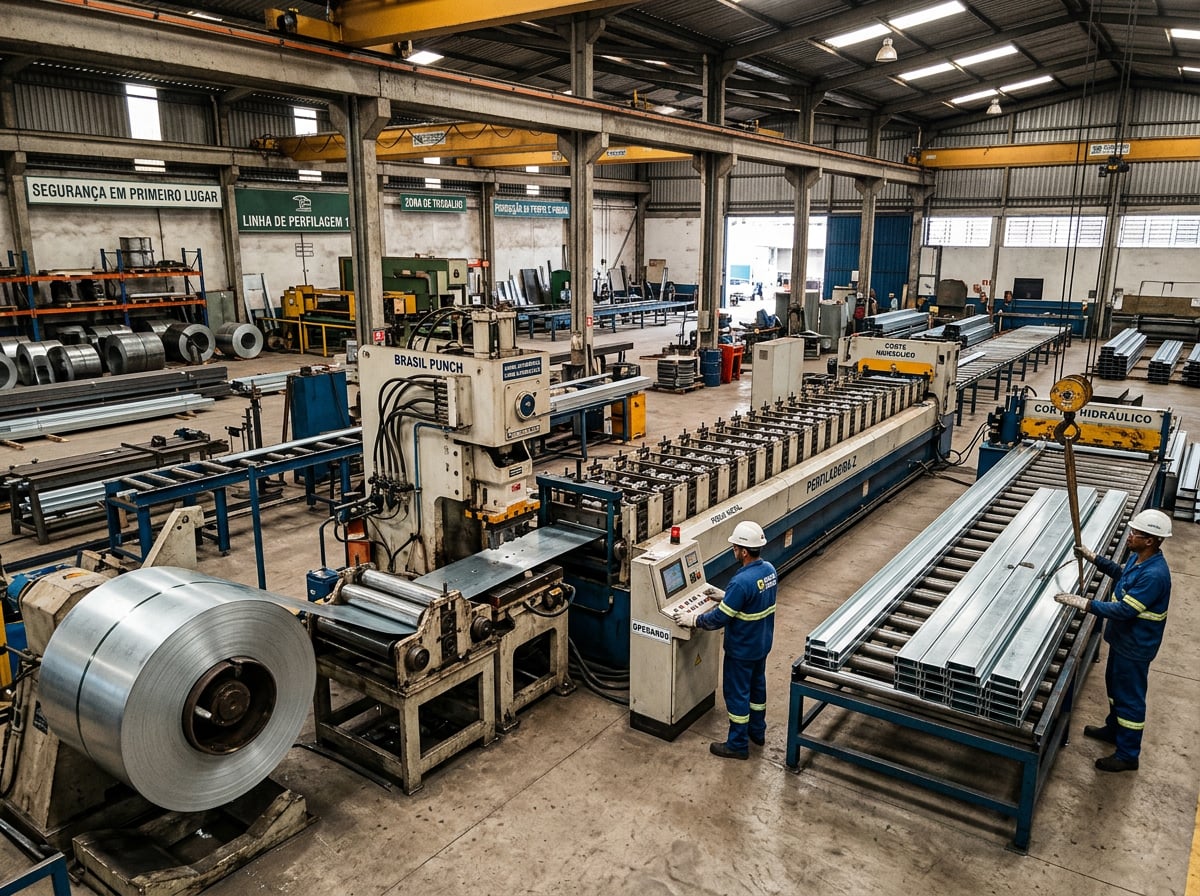
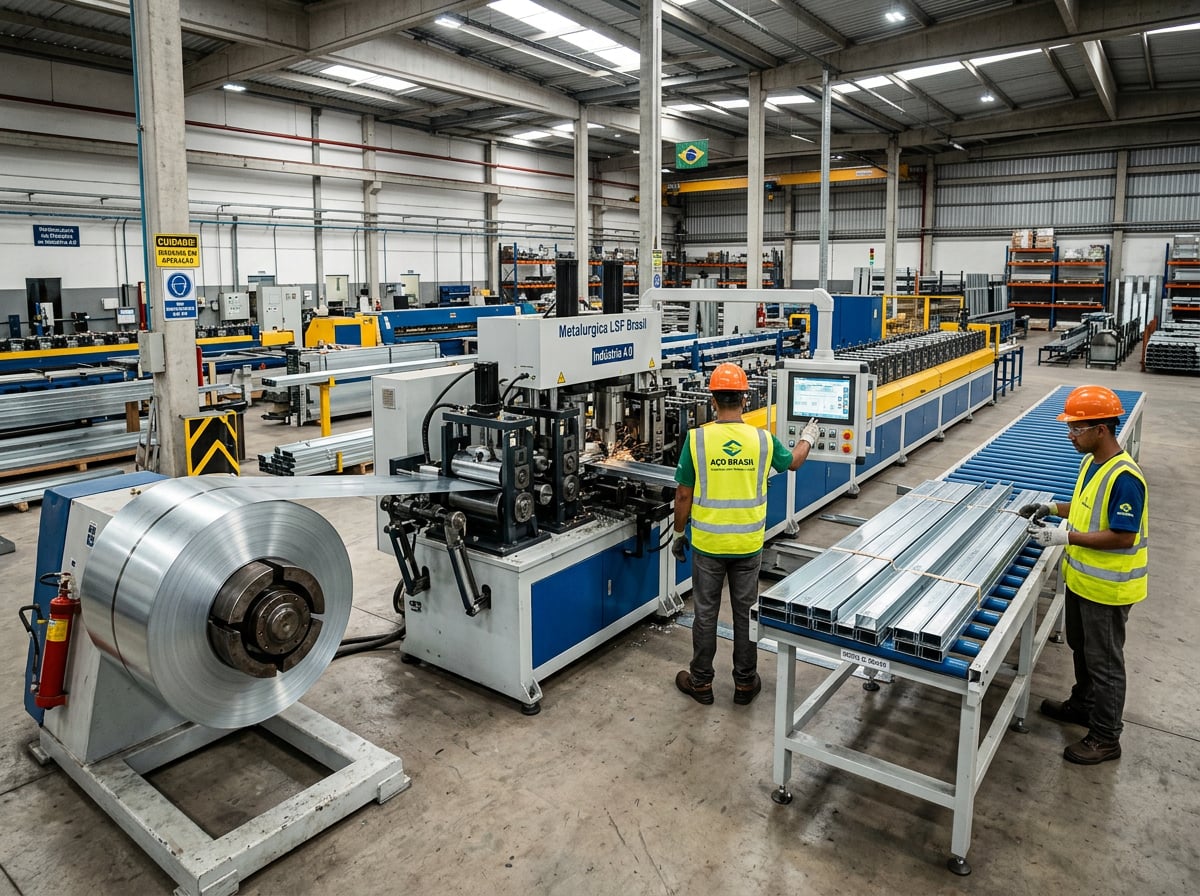
Cutting unit on a metal forming line
How To Adjust Roll Forming Machines For Different Bending Radii
To ensureoptimal roll forming performance, machines must beadjusted based on bending radius requirements. Below are thekey machine settings that must be optimized:
1. Roller Die Design & Setup
✅ Useprogressive forming passesto gradually achieve tight bends. ✅ Smaller bending radii requireprecision roller clearanceto preventmaterial cracking.
2. Forming Pressure & Speed Control
✅Higher forming pressure is needed for smaller radii, but too much pressure can causecracking. ✅Slower forming speedshelp controlmaterial stress and spring-back.
3. Lubrication & Cooling Adjustments
✅Tight bends generate more friction, requiringincreased lubrication to prevent surface damage. ✅Cooling systems help manage heat buildup, reducing the risk ofmaterial fatigue.
4. Material Pre-Treatment & Annealing
✅Annealing softens metals, allowing forsmaller bending radii without cracking. ✅Surface treatmentsreducefriction and wear on rollers.
Pro Tip:Proper machine adjustments for bending radius can extend roller lifespan by 40%!
Common Roll Forming Bending Radius Issues & Solutions
Incorrect bending radius selection can lead toproduction defects, machine wear, and increased scrap rates. Below arecommon roll forming bending issues and their solutions.
| Problem | Cause | Solution |
|---|---|---|
| Edge Cracking | Bending radius too small | Increase bending radius, anneal material |
| Excessive Spring-Back | High-strength material with tight radius | Adjust roller clearance, use over-bending techniques |
| Surface Wrinkling | Insufficient roller support | Increase forming passes, optimize roller shape |
| Distorted Profile Shape | Uneven bending force | Recalibrate rollers, ensure balanced forming pressure |
| Roller Wear & Indentations | High friction in tight bends | Apply proper lubrication, use hardened steel rollers |
Pro Tip:80% of bending defects are caused by incorrect machine adjustments—regular calibration is key!
Best Practices For Roll Forming Small & Large Bending Radii
Different strategies must be used when roll formingsmall and large bending radiitooptimize forming accuracy and reduce defects.
Roll Forming Small Bending Radii (Tight Bends)
✅ Usemultiple forming passesto gradually achieve tight bends. ✅ Reduceforming speedto allow material toflow smoothly without cracking. ✅ Applyhigh-performance lubricationtominimize friction and surface wear.
Roll Forming Large Bending Radii (Wide Bends)
✅ Useincreased roller spacingto allow forgradual bending without over-compression. ✅ Increaseforming speedto improveproduction efficiency. ✅ Usesupport rollersto maintainprofile consistency.
Pro Tip:Tighter bends require more forming passes to distribute stress evenly!
To achieveaccurate and repeatable bending radii, manufacturers must employadvanced forming techniquesthat optimize material flow, reduce stress, and improve final product quality. Below are themost effective methodsfor controlling bending radius in roll forming.
1. Progressive Bending Passes For Tight Radii
- Gradual bending over multiple passesreducesstress concentration, minimizingcracking risks.
- Ensuressmooth material flow, preventingsurface defects and distortions.
- Ideal forhigh-strength materials like stainless steel and titanium.
2. Over-Bending Compensation For Spring-Back Correction
- Spring-back is common in high-strength materials, requiringpre-calculated over-bending.
- Over-bending compensates forelastic recovery, ensuringfinal profile meets design specs.
- Essential foraluminum, stainless steel, and high-strength steel.
3. CNC-Controlled Roller Adjustment For Precision Bending
- Computer-controlled roller positioningallows forreal-time bending radius adjustments.
- Reducesoperator error, ensuringconsistent forming accuracy.
- Best forautomotive and aerospace applications requiring tight tolerances.
Pro Tip:Using CNC-controlled roller adjustments can improve bending accuracy by 40%!
How To Optimize Roll Forming Speed For Different Bending Radii
Selecting the rightforming speedis critical toavoiding defects and ensuring material stability. Below is a comparison ofoptimal forming speeds based on bending radius.
| Bending Radius | Recommended Forming Speed (m/min) | Key Adjustments |
|---|---|---|
| Tight Radius (1.0× Material Thickness) | 5 – 15 m/min | Slow forming speed, increased lubrication |
| Medium Radius (1.5× – 3.0× Thickness) | 10 – 30 m/min | Balanced speed, controlled forming pressure |
| Large Radius (3.0× Thickness and Above) | 20 – 50 m/min | High-speed forming, optimized roller spacing |
Pro Tip:Tighter bends require slower forming speeds to prevent cracking and excessive stress buildup!
How To Reduce Material Waste When Roll Forming Different Bending Radii
Material wasteincreases production costs and reduces efficiency. Below are strategies tominimize scrap rates while maintaining bending accuracy.
1. Use Pre-Calibrated Roller Dies For Precise Bends
✅ Ensuresrepeatable accuracy, reducingtrial-and-error adjustments. ✅ Preventsexcessive material stretchingthat leads towaste.
2. Implement Smart Thickness & Radius Sensors
✅Real-time monitoring of material thickness and bend anglepreventsover-bending or under-bending. ✅ AI-driven systems canauto-correct roller pressure, optimizingwaste reduction.
3. Optimize Coil Feed & Tension Control
✅ Maintainingconsistent material flowpreventsuneven bends and misalignment. ✅ Reducesmaterial scrap due to incorrect bend formation.
Pro Tip:AI-powered bending control can reduce material waste by up to 25%!
Common Roll Forming Bending Radius Challenges & Solutions
Handling different bending radii can posevarious challenges. Below arecommon problems and their solutions.
| Problem | Cause | Solution |
|---|---|---|
| Cracking in Tight Radii | Excessive forming force on brittle materials | Use gradual bending passes, anneal material |
| Excessive Spring-Back | High-strength material with tight radius | Adjust roller clearance, apply over-bending techniques |
| Distorted Profile Shape | Uneven roller force distribution | Optimize roller alignment, balance forming pressure |
| Roller Indentations on Surface | Excessive friction during forming | Apply proper lubrication, use hardened steel rollers |
| Edge Waviness | Incorrect material feed tension | Adjust coil tension, ensure smooth material flow |
Pro Tip:80% of forming defects are caused by incorrect machine adjustments—regular calibration is key!
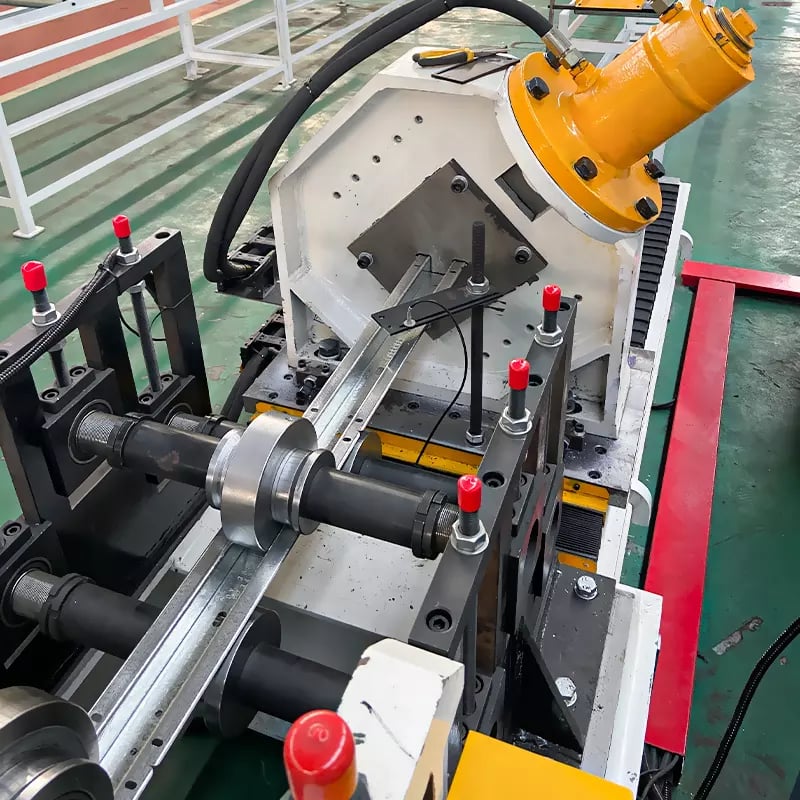
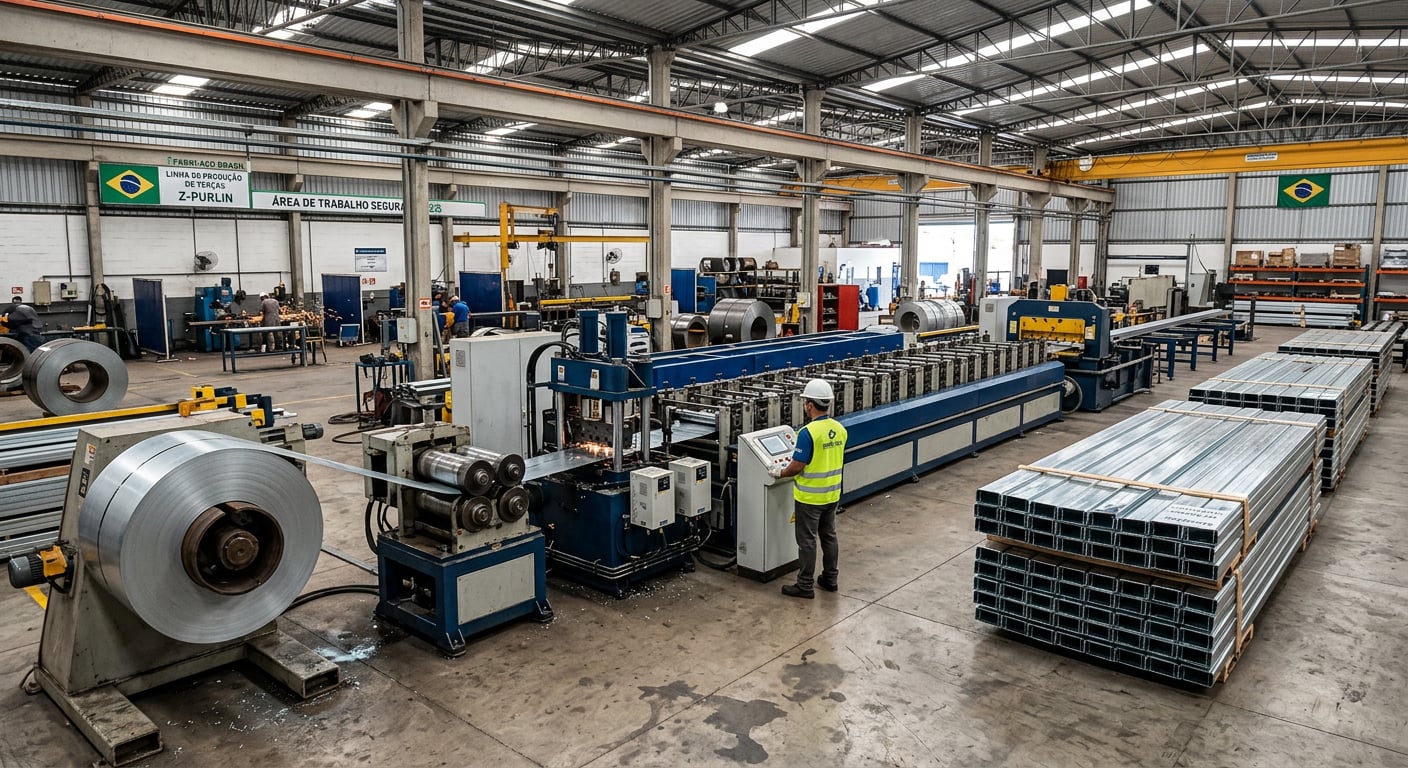
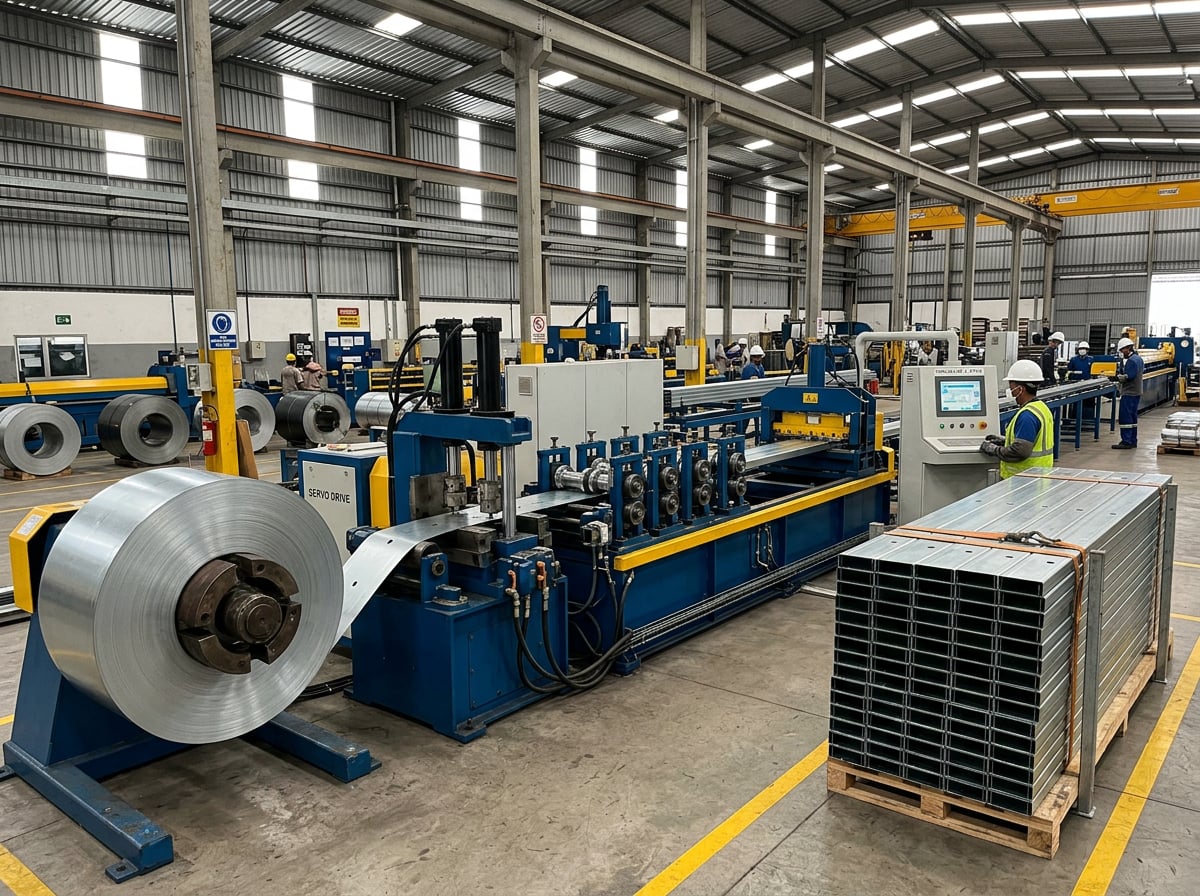
Cutting unit on a metal forming line
Best Practices For Roll Forming Machines Handling Multiple Bending Radii
To efficiently processprofiles with varying bending radii, follow thesebest practices:
1. Use Multi-Stage Roller Dies
✅ Allowsgradual transition between tight and wide bends, reducingstress concentration. ✅ Preventsmaterial cracking and spring-back inconsistencies.
2. Implement Quick-Change Tooling For Radius Adjustments
✅ Enablesfast adjustmentsfor different bending radii, improvingproduction flexibility. ✅ Reducessetup time, improving overall efficiency.
3. Invest In Adaptive Forming Technology
✅AI-driven forming systemsautomatically adjustroller clearance, speed, and pressure. ✅ Ensuresconsistent profile accuracy across complex bending requirements.
4. Maintain Proper Lubrication & Cooling Control
✅Tighter bends generate more heat, requiringadvanced cooling systems. ✅High-speed forming needs controlled lubricationto preventroller wear.
Pro Tip:Adaptive forming technology can improve production speed by up to 30%!
1. What Is The Minimum Bending Radius For Roll Forming?
- The minimum bending radius depends onmaterial type, but typically ranges from1.0× to 3.0× material thickness.
2. How Do I Prevent Cracking When Forming Small Bending Radii?
- Useannealed materials,increase forming passes, andapply proper lubrication.
3. How Do I Adjust My Machine When Switching To A Larger Bending Radius?
- Increaseroller spacing,adjust forming pressure, andoptimize roller design.
4. Why Does My Roll-Formed Part Have Excessive Spring-Back?
- This occurs withhigh-strength materials. Useover-bending techniquesandoptimize roller pressure.
5. Where Can I Buy Roll Forming Machines That Support Different Bending Radii?
Forcustom-built roll forming machines, visitWUXI SUNWAY MACHINERY CO., LTD.
Choosing the rightbending radiusis essential forhigh-precision, defect-free roll forming. Byoptimizing machine settings, using proper lubrication, and adjusting forming passes, manufacturers canreduce defects, improve production efficiency, and extend machine life.
WUXI SUNWAY MACHINERY CO., LTDis aleading global manufacturerofcustom-built roll forming machines, offeringadvanced technology, expert support, and competitive pricing.
Want to optimize yourroll forming bending radius?Contact us today!