 English
 Spanish
 French
 Bengali
 Russian
 Arabic
 Turkish
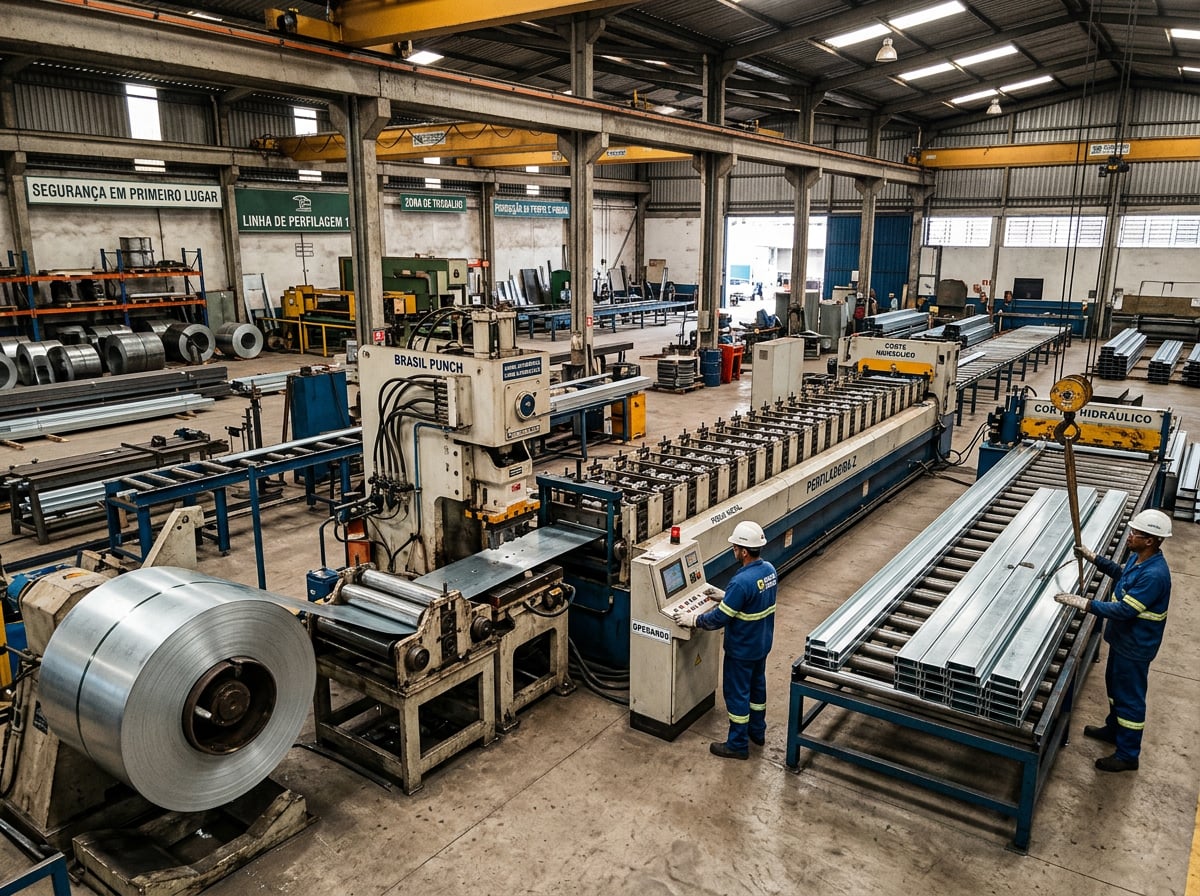
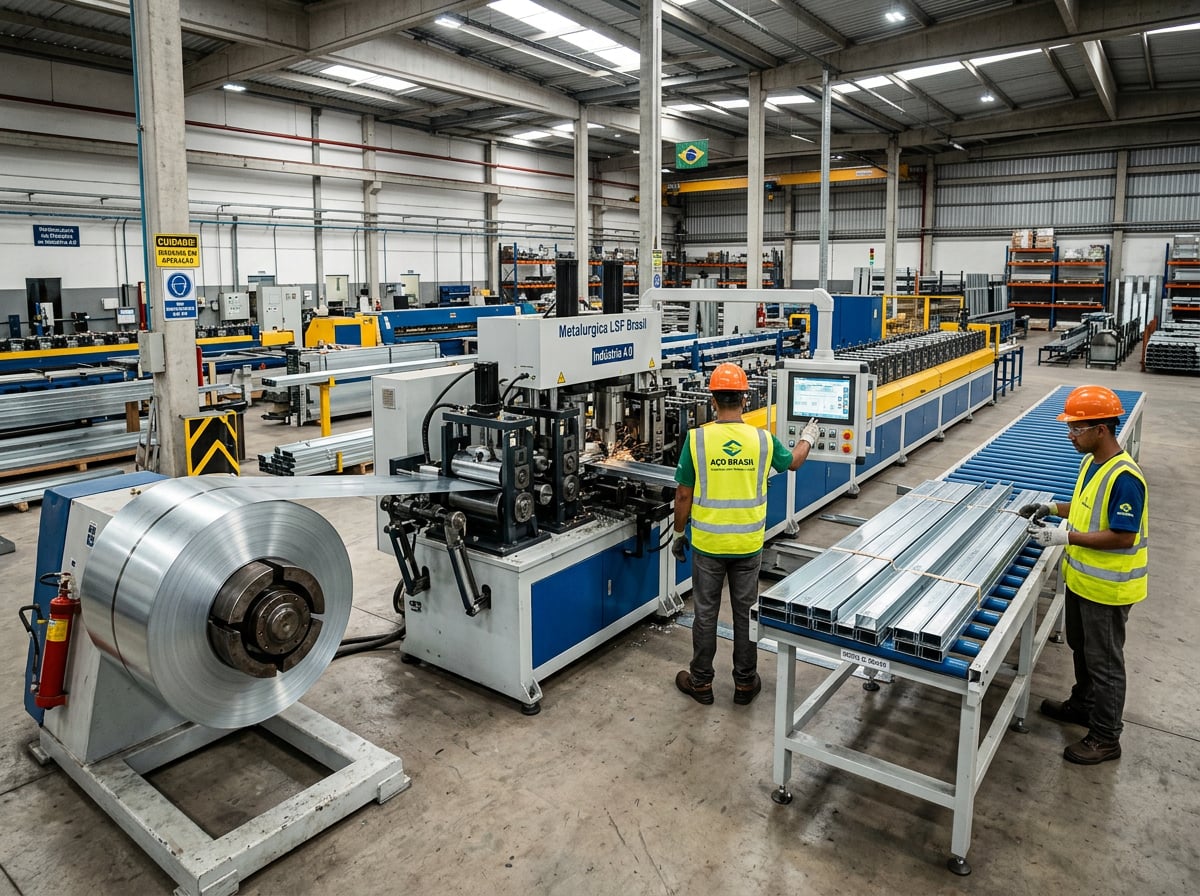
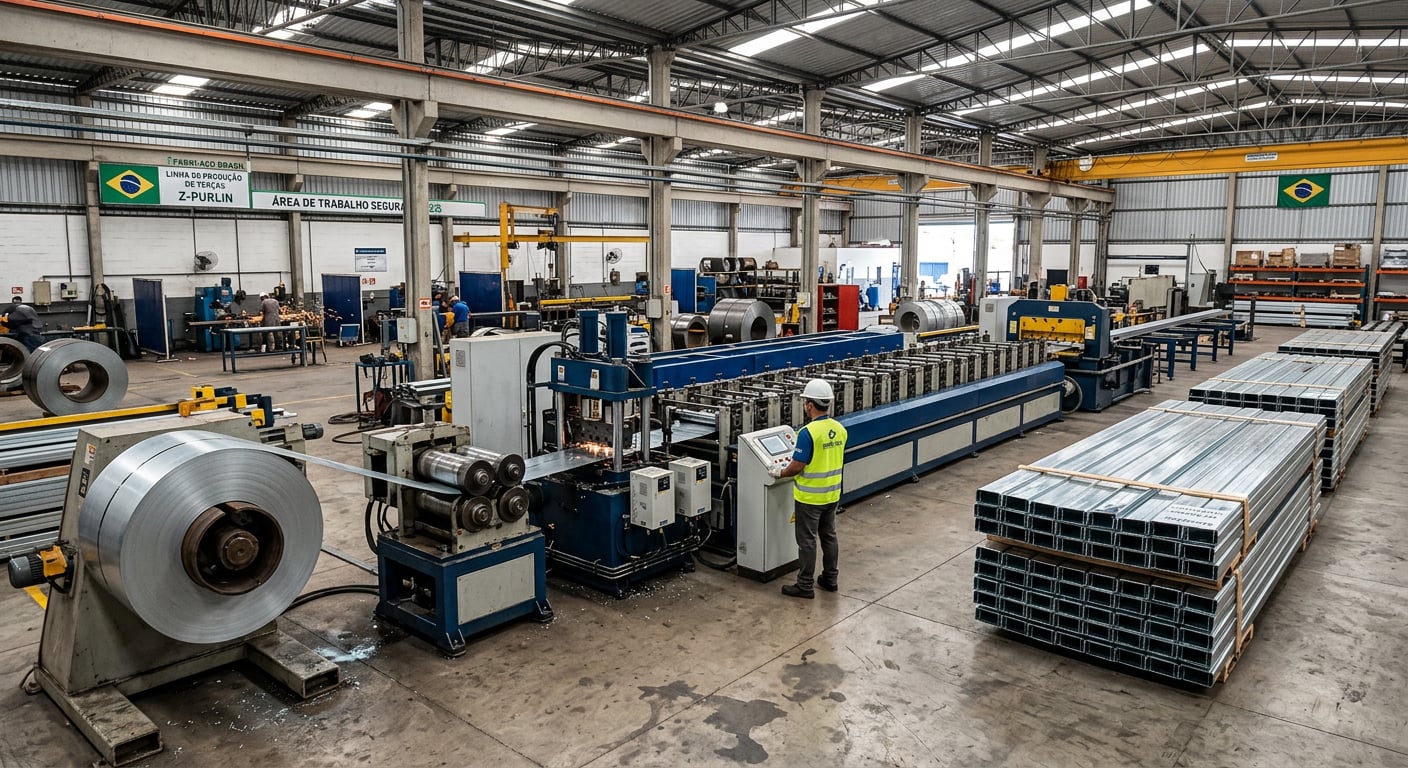
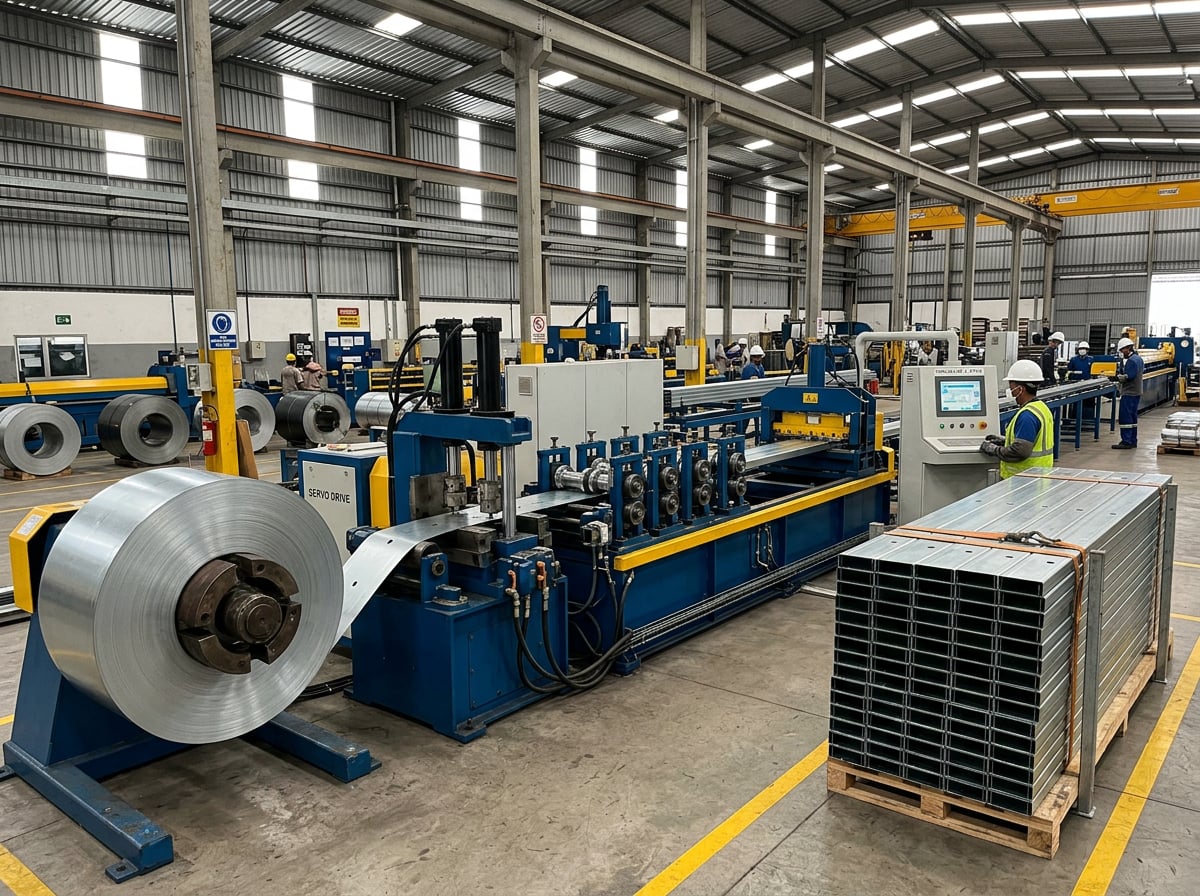
Flying-shear roll forming machinesutilize a unique cut-to-length system to boost efficiency in roll formed profile production. The flying shear mechanism shears the moving strip just before it enters the roll forming section.
Key details about flying-shear roll formers:
- Cut-to-length system integrated into roll former
- Rotary shear cuts moving strip at high speed
- Precise shear timing synchronized to line speed
- Permits faster overall line speeds
- Quick and easy size changes
- Used for metals up to 4mm thickness
- Ideal for producing parts in standard lengths
- Commonly used to make roofing panels, decking, and panels
By removing the stop-and-start action of typical end shears, flying shears optimize the roll forming process.
Types Of Flying-Shear Roll Forming Machine
| Machine Type | Description |
|---|---|
| Mechanical | Shear timing via Geneva mechanism and servo drive |
| Electronic | Shear controlled by PLC with encoder feedback |
| Hydraulic | Hydraulic cylinder actuates shear at right moment |
Mechanical flying shearsprecisely time the cut mechanically for a simpler, economical design.
Electronic flying shearsoffer more flexibility and speed control through the system’s logic controller.
Hydraulic flying shearsgenerate high shearing force while maintaining accurate timing.
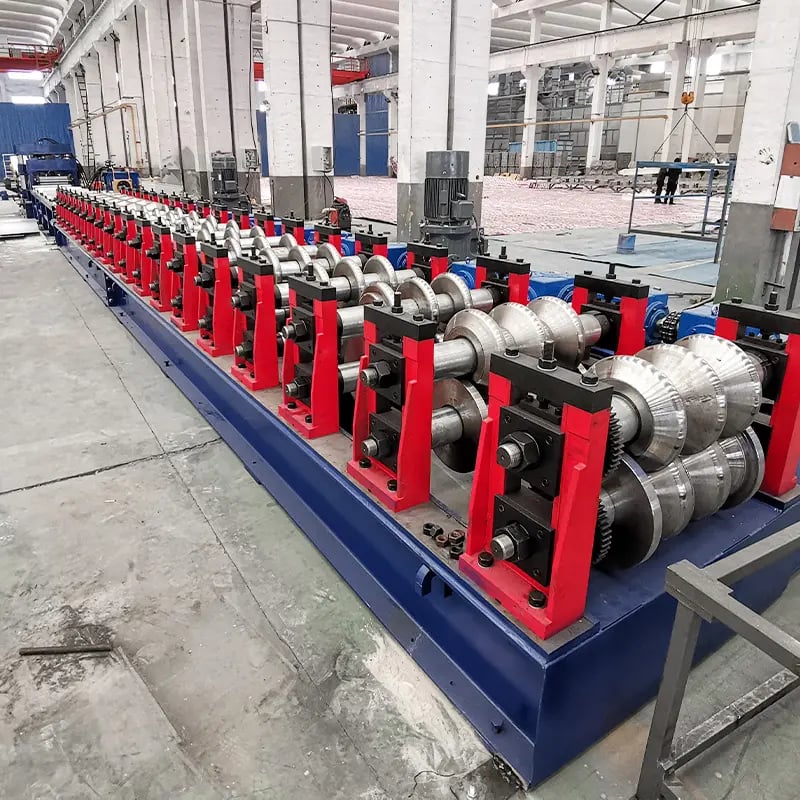
Close-up of forming rollers and shafts
Key Components Of Flying Shear Roll Formers
| Component | Function |
|---|---|
| Decoiler | Feeds strip from coil into line under proper tension |
| Roll Tooling | Forming stations gradually shape the strip |
| Flying Shear | Rotary shear cuts moving strip at high speed |
| Conveyor | Receives cut parts and discharges from line |
| PLC Control | Coordinates decoiler, shear, conveyor, and monitoring |
| Operator Interface | Touchscreen to control and adjust forming parameters |
Flying shears combine dynamic roll forming technology with synchronized high speed shearing for superior productivity.
Typical Applications Of Flying Shear Roll Forming Lines
| Products | Details |
|---|---|
| Roofing Panels | For standing seam, concealed fastener panels |
| Siding and Cladding | Wall panels, architectural facades |
| Decking | Roof deck, flooring panels |
| Solar Frames | For solar panel mounting structures |
| Shelving | Adjustable shelves, support beams |
| Drainage Systems | Culverts, rain gutters, downspouts |
Flying shear roll formers are ideal for producing roofing, siding, decking, and numerous profiles in standard lengths.
Design Standards For Flying Shear Roll Forming Machines
| Component | Standards |
|---|---|
| Frame | Rigid steel, stress-relieved welded construction |
| Tooling | Hardened rolls, machined shafts, bearings |
| Shear Blade | Hardened D2 steel, heat treated |
| Shear Timing | Precise Geneva or electronic control |
| Drives | Helical gearboxes or servo motors |
| Controls | PLC, color touchscreen HMI |
| Finishes | Primed then powder coated |
| Safety | Fully enclosed guards, e-stops |
Robust framing matched with high quality components and smart controls result in reliable, consistent performance and end product quality.
Specifications Of Flying Shear Roll Formers
| Specification | Typical Values |
|---|---|
| Line Speed | 10 – 50 m/min |
| Max Strip Width | 1000 – 1300 mm |
| Thickness Capacity | 0.5 – 4 mm |
| Length Tolerance | ± 1 mm |
| Length Range | Any cut length |
| Power | 30 – 75 kW |
| Machine Weight | 5000 – 8000 kg |
Speeds, widths, and power requirements vary across mechanical, hydraulic, and electronic flying shear machine models.
Pricing Details For Flying Shear Roll Forming Equipment
| Manufacturer | Price Range |
|---|---|
| Metform | $150,000 – $250,000 |
| ETP | $140,000 – $220,000 |
| Samco | $160,000 – $280,000 |
| China manufacturers | $80,000 – $150,000 |
Prices range from $80,000 to $280,000 depending on size, features, and precision. Installation and shipping add 10-20%.
Installation And Commissioning Of Flying Shear Machines
| Task | Description |
|---|---|
| Site Preparation | Clear space, anchor bolts to foundation |
| Lifting | Use appropriate lifting gear to offload sections |
| Assembly | Bolt frame together; install components |
| Alignment | Precision align and level all sections |
| Electrical | Wire motors, PLC, controls, and accessories |
| Conveyor | Bolt in feed and exit conveyors |
| Test Run | Cycle slowly, inspect operation and cut parts |
| Optimization | Refine shear timing, control parameters |
Proper installation and thorough testing ensures smooth startup and quality output from the machine.
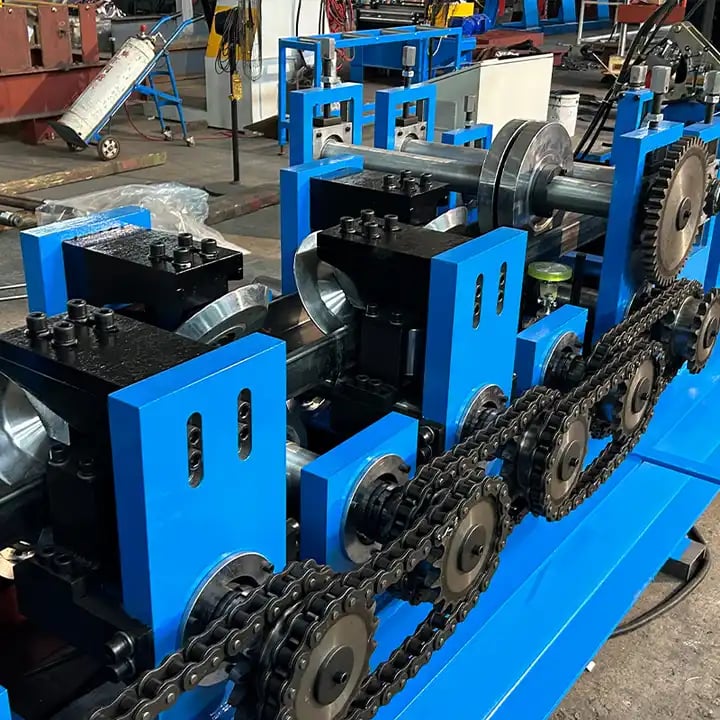
Close-up of forming rollers and shafts
Operation And Maintenance Of Flying Shear Roll Lines
| Activity | Frequency |
|---|---|
| Safety Checks | Per shift |
| Coil Loading | As needed |
| Parameter Adjustment | As needed |
| Blade Lubrication | Daily |
| Blade Inspection | Weekly |
| Bearing Lubrication | Monthly |
| Hydraulic Service | Quarterly |
| Gearbox Oil | Per manual |
| Alignment | Annual |
Daily safety procedures must be followed. Careful operation and regular maintenance are vital for flying shear longevity and performance.
Selecting A Flying Shear Roll Former Manufacturer
| Considerations | Guidance |
|---|---|
| Experience | Look for extensive background with flying shears |
| Customization | Ability to tailor machine to application needs |
| Support | Installation help, training, manuals, service |
| Reputation | Choose established brand known for quality |
| Delivery | Manufacturer can deliver on required schedule |
| Value | Balance capabilities against price paid |
Consider expertise with this specialized equipment along with customization, support, and fair cost.
Benefits Of Flying Shear Roll Forming Lines
- Faster production than standard roll former with end shear
- Precisely cut parts immediately off the roll former
- Quick and easy size changeovers
- Increased throughput from uninterrupted strip flow
- Ideal for producing profiles in standard lengths
- Consistent cut tolerance and quality
- Compact design minimizes space
- Lower labor requirements
- Ability to cut to length on the fly
- Simpler material handling
Key advantages include speed, changeover ease, consistency, and labor savings versus typical stop-and-cut systems.
Limitations Of Flying Shear Roll Forming Technology
- Higher initial capital cost than standard roll formers
- Requires more maintenance and skilled operation
- Limited to thinner/softer material gauges
- Not as easy to cut non-standard length parts
- Precise alignment critical for smooth operation
- Timing mechanisms can wear over time
- Special tooling required for different profiles
- Can increase roll changing time during size changes
- Scrap generation during initial setup
The main limitations relate to higher cost and maintenance requirements versus basic roll formers.
Cost Comparison Of Flying Shear Vs End Shear Machines
| Machine Type | Price Range | Benefits | Drawbacks |
|---|---|---|---|
| Flying Shear | $150,000 – $300,000 | Faster speeds, easy length changes | Higher cost, specialized maintenance |
| End Shear | $100,000 – $200,000 | Lower initial cost, simple operation | Slow cut-to-length method |
Flying shears improve productivity but have higher capital and operating costs. Evaluate based on volume, changeovers, and budget.
Troubleshooting Issues With Flying Shear Roll Lines
| Issue | Solution |
|---|---|
| Inaccurate shear timing | Adjust/replace worn gears; check encoder |
| Blade wear | Rotate/replace shear blades |
| Strip marks | Increase blade/roll hardness; adjust guides |
| Hydraulic leaks | Replace seals, hoses, cylinders |
| Excess vibration | Check alignment, mountings; repair as needed |
| Electrical faults | Check/replace wires, connections, drives |
Proper blade maintenance along with swift repairs of leaks, looseness, or electrical problems prevents unplanned downtime.
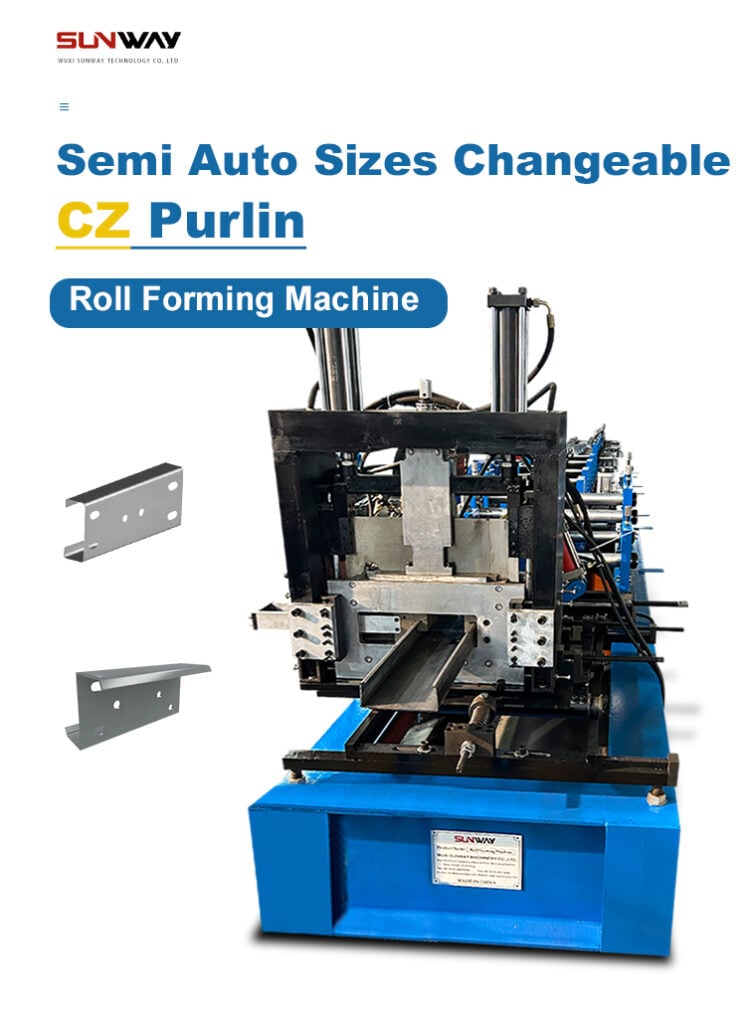
Metal forming machine in a product photograph
FAQ
Q: What thickness of steel can flying shears accommodate?
A: Most machines can handle up to 4 mm thickness. Heavier models are available for thicker material.
Q: How fast can flying shear roll formers operate?
A: Speeds range from 10 to over 50 meters per minute depending on machine size.
Q: What length parts can be produced?
A: Any cut length can be produced, though typical lengths are from 1 to 7 meters.
Q: How accurate are the cut lengths?
A: Precision flying shears can achieve a tolerance of ± 1 mm or better.
Q: How long does it take to change to a new profile?
A: With quick change tooling, profile changeover takes 30-60 minutes in general.
Q: What safety features are included?
A: Full guarding, e-stops, access interlocks, and control reliability per prevailing standards.
Q: What is the typical production lifetime of a machine?
A: Approximately 15-20 years of productive life can be expected with proper maintenance.
Q: What types of warranty are offered by manufacturers?
A: Warranty periods range from 6 months to 1 year on most components. Extended warranties may be purchased.
Frequently Asked Questions (FAQ)
1) How do flying-shear roll forming machines maintain ±1 mm cut accuracy at high speeds?
- By synchronizing the rotary shear’s servo or hydraulic motion to line speed using encoder feedback and predictive motion profiles. Anti-backlash gearboxes and rigid blade carriers minimize deflection during the cut.
2) What profiles are best suited to flying-shear systems versus stop-cut systems?
- Standard-length, continuous profiles like roofing panels, decking, purlins, studs, and channels benefit most. Highly variable, short parts with frequent non-repeating lengths are often more economical on stop-and-cut lines.
3) When should I choose mechanical vs electronic vs hydraulic flying shears?
- Mechanical: cost-effective, simpler for fixed speeds and limited recipes. Electronic (servo): highest flexibility, faster recipe changes, superior at variable speeds. Hydraulic: preferred for thicker gauges/high shear force with accurate timing via proportional valves and PLC.
4) What are typical blade materials and service life expectations?
- D2/HCHCR tool steel with 58–60 HRC for coated steel/aluminum; PM grades (e.g., CPM 10V) for abrasive materials. With proper lubrication and alignment, edge regrind intervals often range 80,000–150,000 cuts; full life 5–10 regrinds depending on material and thickness.
5) Which data points should be logged for predictive maintenance on a flying-shear line?
- Motor/valve command vs actual position, cycle time dispersion, shear torque/pressure peaks, vibration (RMS), blade temperature, cut-length error distribution, hydraulic oil temperature/contamination, and encoder health. Thresholds trigger inspections before drift impacts scrap rates.
2025 Industry Trends
- Servo-first architectures: Wider adoption of high-torque servo actuators replacing purely mechanical timing for dynamic speed changes.
- Closed-loop quality: In-line laser length verification and edge-tracking with automatic trim compensation reduce rework.
- Predictive maintenance: Vibration, torque, and thermal sensing plus ML models cut unscheduled stops by 20–35%.
- Quick-change ecosystems: Cartridge tooling and zero-point mounts push changeovers below 20 minutes.
- Safety and standards: Greater alignment to ISO 16092 (machine safety) and IEC 61508/ISO 13849 performance levels for control reliability.
- Energy optimization: Regenerative drives and smart standby reduce kWh/ton.
Key 2023–2025 benchmarks for flying-shear roll forming machines
| Metric | 2023 | 2024 | 2025 (est.) | Notes/Sources |
|---|---|---|---|---|
| Max practical line speed for roofing panels (m/min) | 60 | 70 | 80 | OEM catalogs; field reports |
| Typical cut-length CpK at 30–50 m/min | 1.33 | 1.45 | 1.60 | In-line metrology adoption |
| Predictive maintenance adoption on new lines (%) | 22% | 31% | 43% | Vendor and integrator surveys |
| Avg. changeover time with cartridge tooling (min) | 35 | 28 | 18 | Quick-change fixtures |
| Energy use, kWh per ton formed | 95 | 90 | 84 | Regenerative drives/optimization |
| Lines with functional safety PL d/e (%) | 48% | 56% | 65% | ISO 13849 implementations |
Authoritative references:
- ISO 13849-1 (Safety of machinery: safety-related parts of control systems):https://www.iso.org
- IEC 61508 (Functional safety):https://webstore.iec.ch
- AIST Sheet Processing and Roll Forming technical papers:https://www.aist.org
- PMA (Precision Metalforming Association) resources:https://www.pma.org
Latest Research Cases
Case Study 1: Servo Flying Shear With In-line Laser Verification Cuts Scrap (2025)
- Background: A decking manufacturer suffered variable cut-length drift during speed ramp-up, causing 1.8% scrap.
- Solution: Retrofitted servo flying shear with model-based motion profiles; added dual-head laser length measurement feeding a PLC correction loop; upgraded to zero-backlash couplings.
- Results: Scrap reduced to 0.6% (67% improvement); CpK for length rose from 1.25 to 1.62 at 55 m/min; unplanned shear maintenance events dropped 30% over 9 months. Sources: OEM retrofit report; plant QA data.
Case Study 2: Hydraulic High-Force Flying Shear for 3.5–4.0 mm Solar Rail (2024)
- Background: Solar mounting supplier needed accurate cuts on thicker galvanized rails without slowing throughput.
- Solution: High-response servo-hydraulic shear with accumulators and proportional valves; blade upgrade to PM tool steel; implemented oil cleanliness ISO 4406 targets with offline filtration.
- Results: Maintained ±0.9 mm at 32 m/min on 4.0 mm material; blade regrind interval extended 40%; hydraulic downtime reduced 25% via contamination control. Sources: Commissioning report; CMMS maintenance logs.
Expert Opinions
- Elena Petrov, PhD, Motion Control Lead, Bosch Rexroth
- “The biggest gains come from synchronizing motion profiles to coil speed ramps. Proper jerk-limited profiles reduce blade impact load and extend tooling life.”
- Mark Liu, Director of Manufacturing Engineering, Samco Machinery
- “Quick-change and alignment repeatability are the real OEE multipliers. If you control datum stack-up with cartridge tooling, you win back hours every week.”
- Prof. David Romero, Smart Manufacturing Chair, Tecnológico de Monterrey
- “Combining edge AI with vibration and torque signatures enables actionable maintenance within one quarter, typically paying back sensor retrofits in under 12 months.”
Practical Tools/Resources
- Standards and safety
- ISO 13849/ISO 12100 (risk assessment and control systems):https://www.iso.org
- OSHA Machine Guarding (U.S.):https://www.osha.gov/machine-guarding
- Design and process
- Roll Forming Handbook (Wiley):https://www.wiley.com
- PMA Roll Forming Council resources:https://www.pma.org
- Metrology and control
- CR On-Line laser length gauges (example vendor):https://www.chromaprecision.com
- NI CompactRIO/OPC UA integration for PLC analytics:https://www.ni.com
- Maintenance and analytics
- Vibration monitoring primers (Mobius Institute):https://www.mobiusinstitute.com
- ISO 4406 oil cleanliness coding:https://www.iso.org
- Vendor ecosystems
- SICK/Keyence sensors for encoder and edge tracking:https://www.sick.com|https://www.keyence.com
Implementation tips for Flying-Shear Roll Forming Machines:
- Use jerk-limited servo profiles and pre-emptive synchronization during acceleration/deceleration phases.
- Specify blade materials matched to substrate and coating; maintain blade parallelism within 0.02–0.05 mm.
- Log cut-length error histograms by speed segment; apply closed-loop corrections in PLC.
- Target oil cleanliness to OEM spec (e.g., 17/15/12 per ISO 4406 for servo hydraulics); add offline filtration.
- Adopt zero-point tooling and encoded setups to shrink changeovers below 20 minutes.
Sourcing checklist:
- Require encoder resolution/spec, controller scan time, and demonstrated CpK at target speeds.
- Verify functional safety architecture (PL d/e), guarding, and e-stop categories with third-party documentation.
- Request OEE, energy (kWh/ton), and maintenance KPIs from reference installations.
- Confirm spare blade supply, regrind program, and lead times for critical components.
Last updated:2025-10-28 Changelog:Added 5 FAQs; included 2025 market and performance trends with data table; provided two 2024/2025 case studies; added expert opinions; compiled practical tools/resources; added implementation and sourcing checklists tailored to flying-shear roll forming machines Next review date & triggers:2026-05-31 or earlier if ISO/IEC safety standards update, major servo/hydraulic component revisions, or new OEM benchmarks for speed/accuracy are released