 English
 Spanish
 French
 Bengali
 Russian
 Arabic
 Turkish
Roof ridge capping roll forming equipment automatically produces ornamental metallic roofing crest pieces from coiled sheet stock that protect against water ingress at structural peaks across infrastructure projects. Compared to manual sheet metal fabrication, automated ridge cap roll forming allows faster precision production suited for extensive residential or commercial roof construction or renovation projects.
This guide details working features, capabilities, equipment types, part customization options, site installation factors, operations best practices, maintenance schedules plus cost considerations around roof cresting roll form machinery including specification pros/cons comparisons against alternate cap forming approaches.
Overview OfRoof Ridge Cap Roll Forming Machines
Ridge cap roll forming refers to continuously bending roof flashing metal coils into signature angled closing crests using a series of proprietary roller dies. Automated ridge cap roll forming delivers high dimensional consistency, faster volumes and reduced labor costs once configured for specific ornamental metallic roof covering trim dimensions.
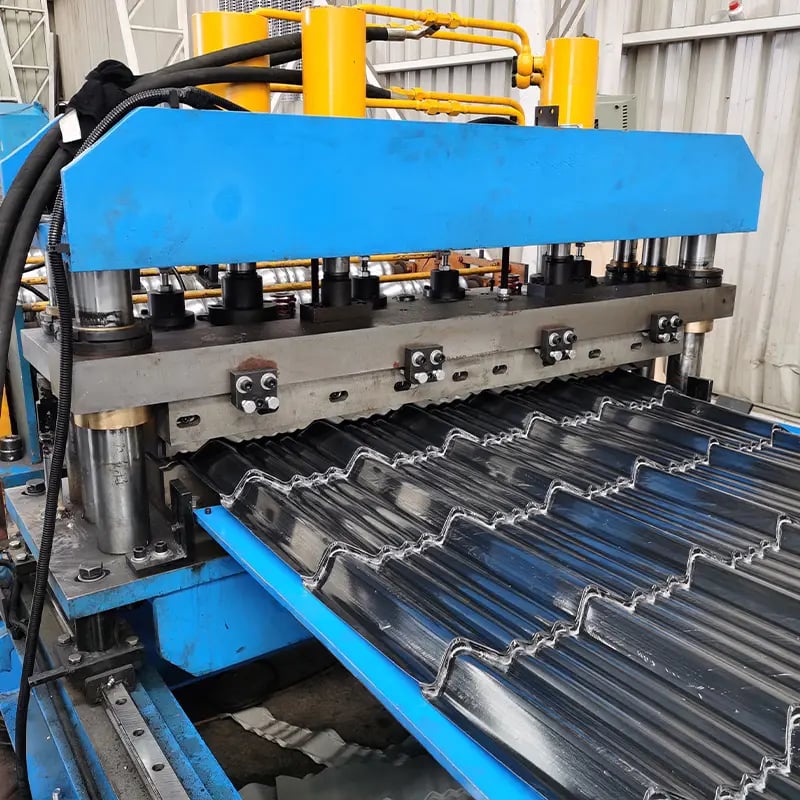
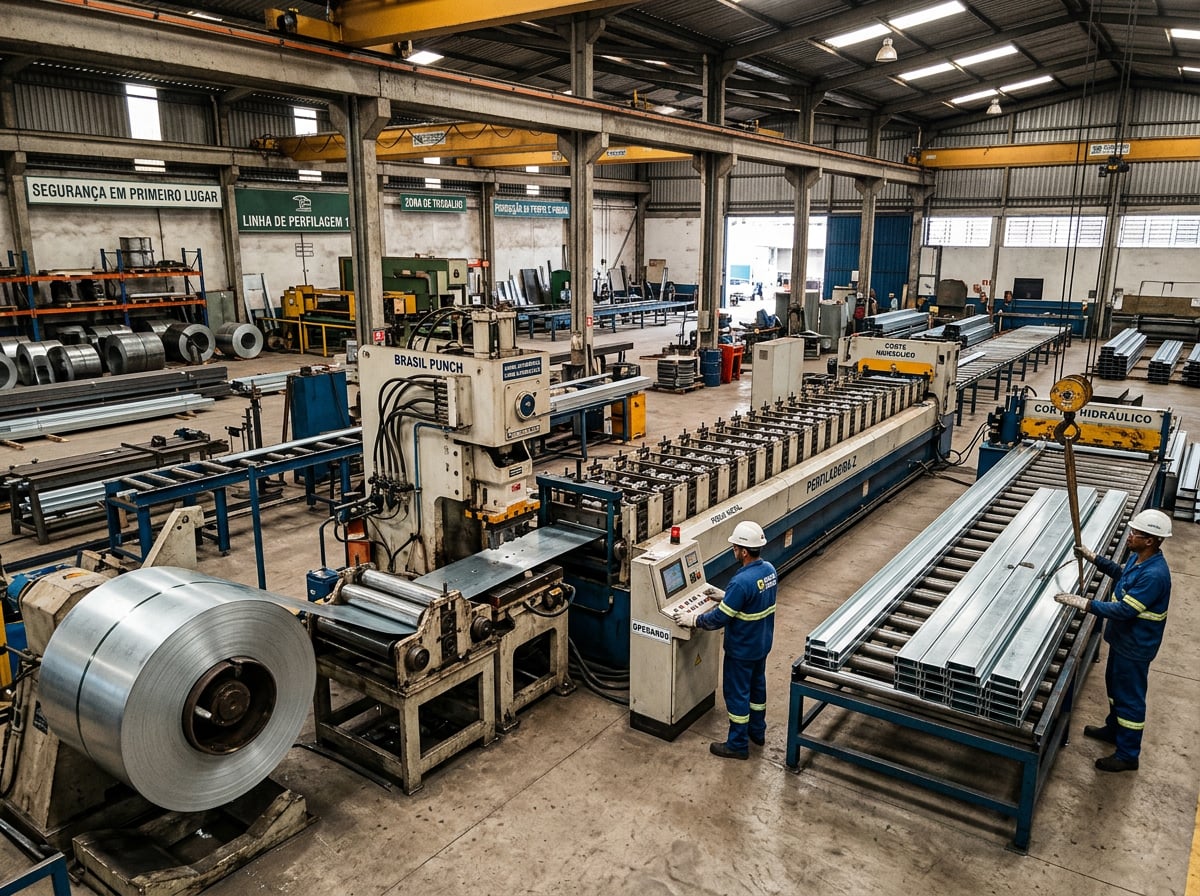
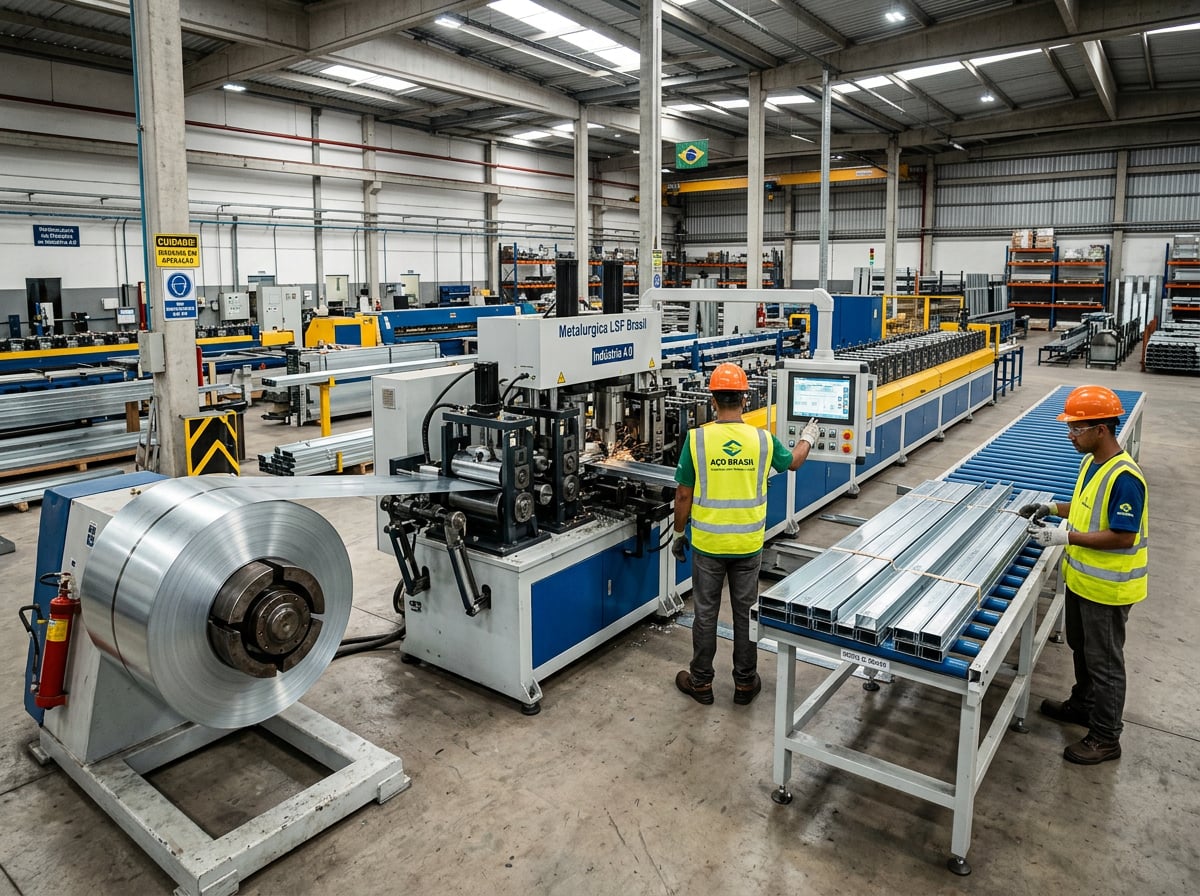
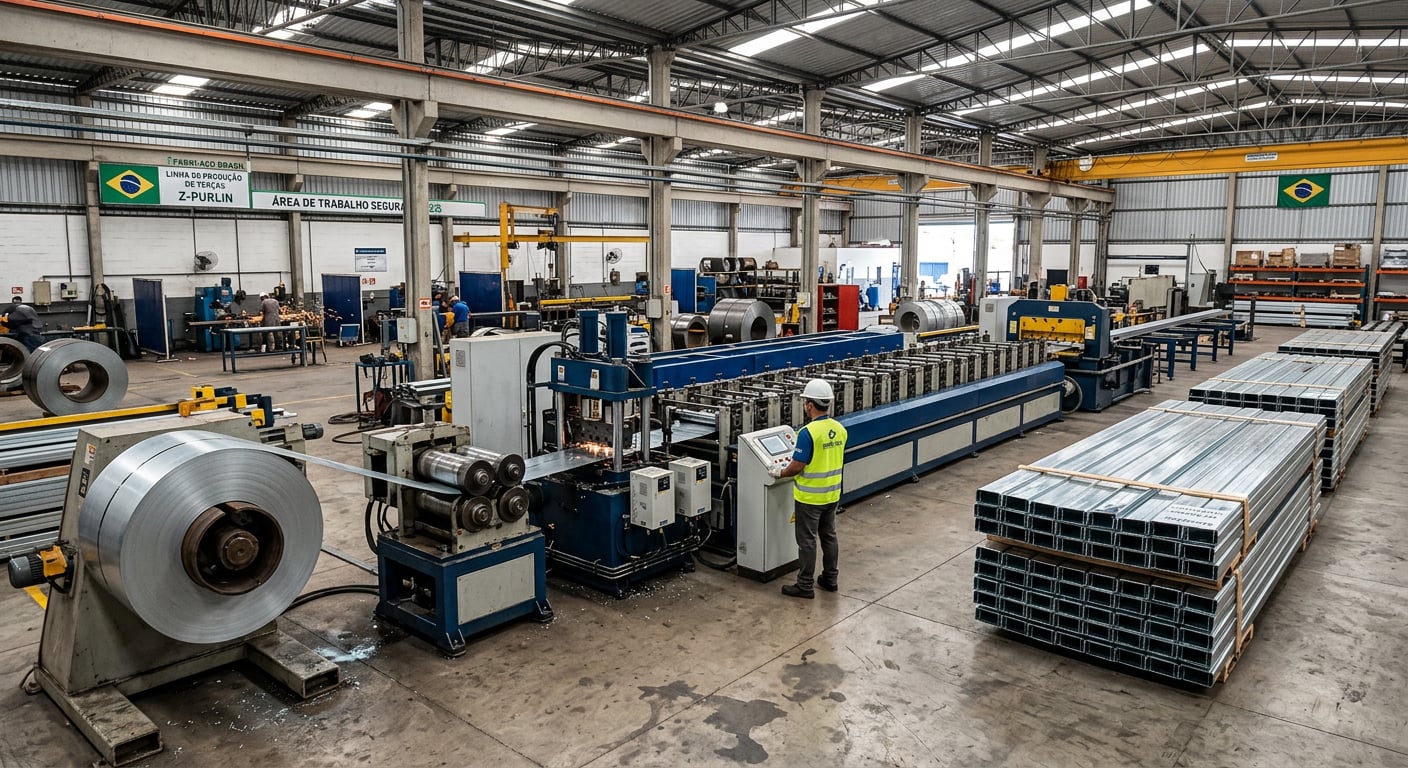
Metal sheet passing through processing equipment
Types Of Ridge Cap Roll Forming Equipment
| Type | Description |
|---|---|
| Standard | Basic linear feed-to-exit ridge forming |
| Servo Motor | Precision programmable independently driven stations |
| Portable | Compact mobile rollers on wheel chassis |
| Double Profile | Twin production lines for multi-layer pieces |
| Positioning Tables | Automated sorted offloading of formed caps |
- Standard machinesstart around $35,000 delivering up to 50 meters per hour
- Servo rollerswith independent AC vector drives offer speed/torque responsiveness
- Portable systemssuit lower volume mobile production needs
- Double profile linesenable two-tone ridge flashing colors
- Positioning tablesspeed up downstream finishing stages
With visible massive global demand across essential infrastructure build, appropriately specified automated ridge capping roll form lines appropriately future proof production capacity for construction industry supply chains.
Working Principle Behind Ridge Cap Roll Forming
The roof ridge cap roll forming principle utilizes a series of progressing metal bending stages for transforming flat aluminum/steel coils into bisected angled crests:
Steps:
- Decoiler feeds pretreated band into entry guides
- Initial profiling rollers crimp side edges
- Sequential stations complete U-channels
- Contour rollers close drain sides into pointed peak
- End bead strengthens cap accuracy
- Traveling cutoff saw slices pieces to order length
- Exit conveyor assists offloading
Components:
- Decoiler mechanismwith alignment wheels
- Forming rollersin groups of 5-8 total
- Supporting rollersprevent sideways drift
- Cutting unitwith hydraulic clamp vise
- Bead rollerfor reinforcing side strength
- Control consolemonitoring production
Combining robust 24/7 machinery with efficient in-line cutting allows versatile high volume fabrication of metallic roof ridge protective flashing components used extensively across infrastructure waterproofing building codes and re-roofing demands globally.
Features And Capabilities
Specifying automated ridge capping roll formers depends firstly on desired cap height followed by production speed:
| Parameter | Typical Specifications |
|---|---|
| Material Thickness | 0.35mm to 0.8mm metal gauge |
| Strip Width | 70mm to 240mm uncoiled range |
| Crest Height | 25mm to 150mm profiles |
| Production Rate | 10m to 40m per hour |
| Tooling Setup | Rapid die changeovers |
| Beading Reinforcement | Strengthens cap accuracy |
| Position Sensors | Auto-pilot guide controls |
| Length Stops | Precision hard stops |
- Floor mounted machines with rigid welded steel chassis
- PLCRecipe storage for fast changeovers
- AC vector drive feeding rolls with servo positioners
- Central lubrication pumps feeding bearing points
- Work tables allowing downstream finishing and packing
Covering residential and commercial roof drainage needs from storm runoff capacity upgrades, today’s high speed automated ridge cap roll forming technology offers enhanced manufacturing approaches replacing legacy manual bending or milling techniques to fabricate metallic rain cresting roof flashing components.
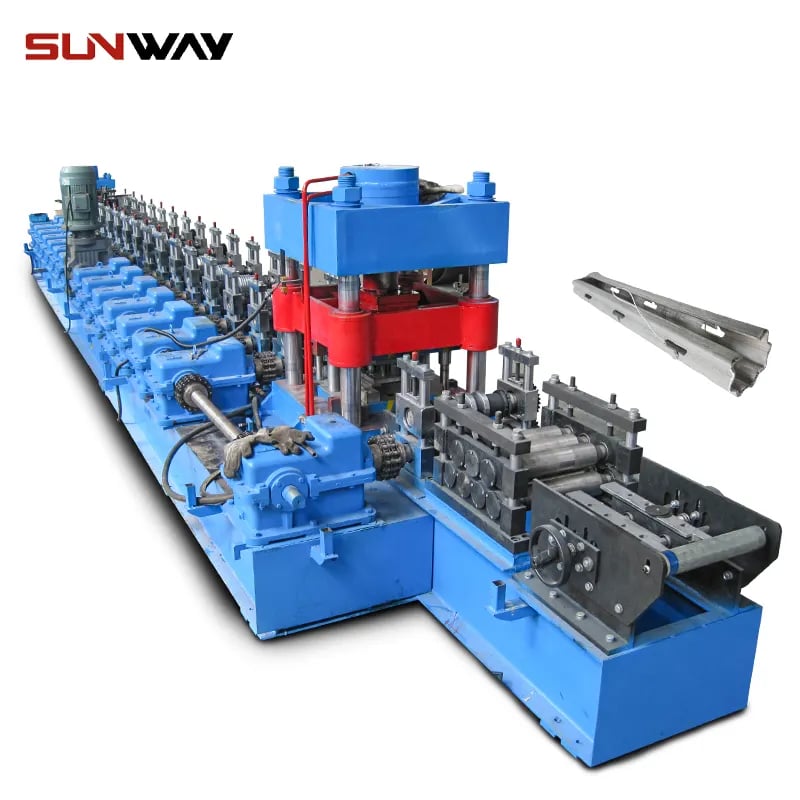
Vineyard Post Roll Forming Machine
Read more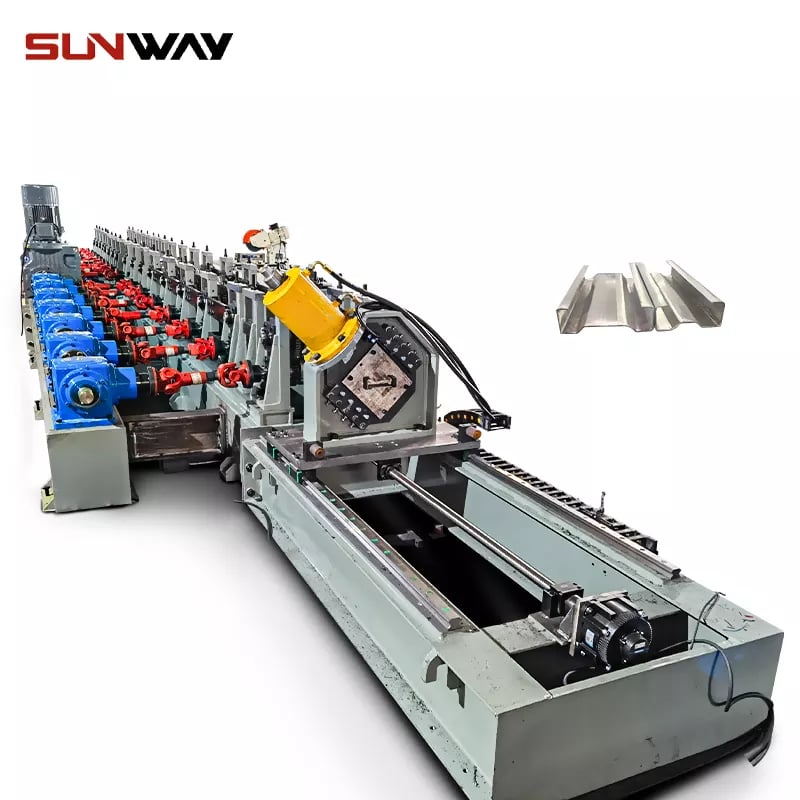
Auto Size Changeable Sigma Purlin Roll Forming Machine
Read more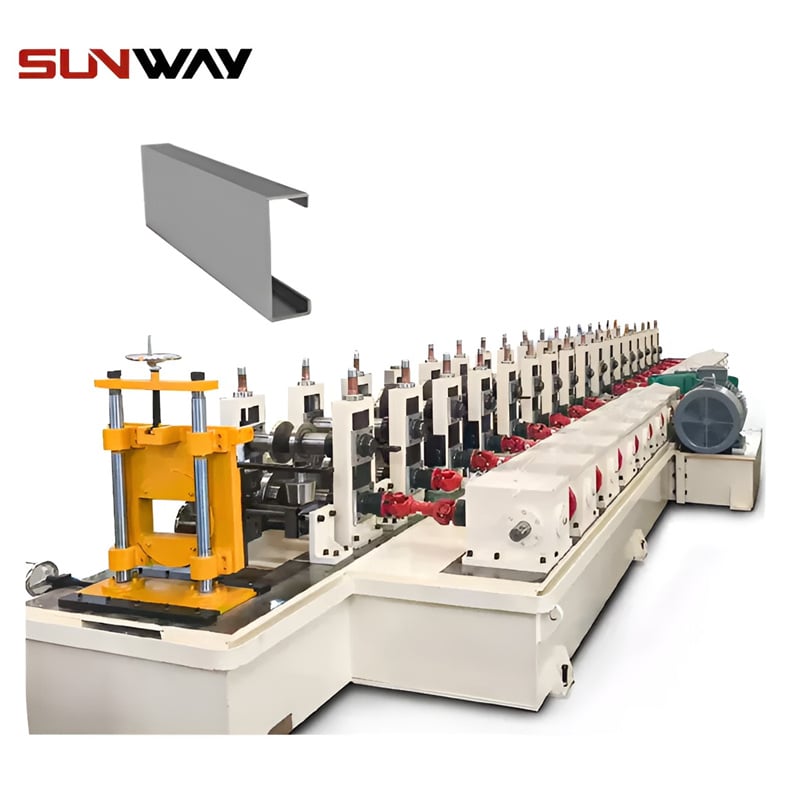
Pv Mounting Bracket C Shape Profile Roll Forming Machine
Read more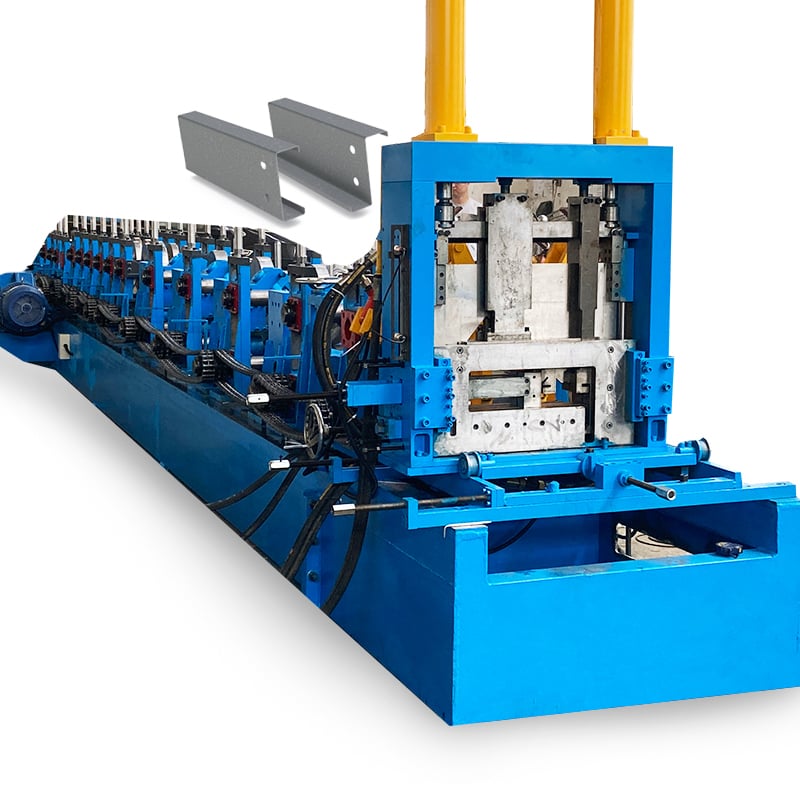
C Z Purlin Channel Cold Roll Forming Machine Full Auto Galvanized Steel Profile
Read more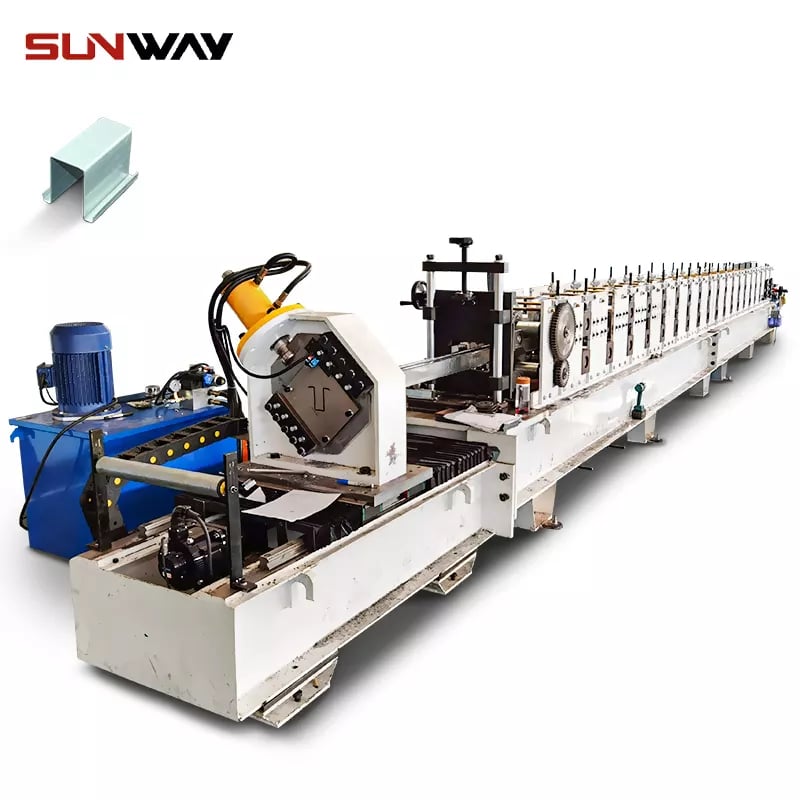
Pv Mounting Bracket Roll Forming Machine (Hat / Omega Profile)
Read more
Pv Mounting Bracket Z Shape Profile Roll Forming Machine
Read moreRidge Cap Part Customization Capabilities
To serve range of construction industry sectors, roof cresting offers:
Materials: Aluminum, Galvanized Steel, Stainless Steel, CopperProfile Heights: 25mm to 300mm ranges Gauges: 0.35mm to 1mm metal thicknessesFinishes: Kynar paints, stone coatings, patina colorsReinforcing: Base sheet adhesion enhancement coatings Waterproofing: Integrated sealing studs, edge dripsTesting: Rainwater handling flow capacity gradingCertification: Roofing qualify ratings, IECC wind testing
Such versatility allows creating customized metallic ridge caps matching regional storm intensity codes and re-roofing architectural specifications across essential building weatherproofing parameters calculated by civil engineers, architects and contractors.
Leading Global Roof Ridge Cap Roll Forming Equipment Suppliers
| Manufacturer | Location | Product Series |
|---|---|---|
| New Power Plasma | China | NPM machines |
| Fujian GaoTong | China | FGRF lines |
| Ecoform | Turkey | ERFS models |
| JinDeRui | China | JDR equipment |
| Anhui Tongxing | China | TXR rollers |
- New Power Plasmafocuses on lightning-proof crest fabrication
- Fujian GaoTongoffers fully automatic configurations
- Ecoformspecializes in metal roofing construction materials
- JinDeRuiprovides customized rainwater accessories
- Anhui Tongxingis a technical trading corporation
Experienced personnel assist system configuration aligning production volumes, material specifications, hardware requirements and budgets into comprehensive factory footprints maximizing sequential workflow efficiencies. Most manufacturers also offer compatible slitting lines, hydraulic pressing centers, and offline powder coating technology.
Ridge Cap Roll Forming Machinery Cost Considerations
| Expense | Typical Range |
|---|---|
| Capital Equipment | $40,000 to $65,000 |
| Tooling Fabrication | $2000+ per customized die set |
| Facility Space | 1500+ sq ft covered |
| Safety Guarding | $1000+ for light curtains |
| Consumables | Coolants, lubricants |
| Technician Labor | $15 per hour approx |
| Utility Bills | Electrical load |
| Maintenance | 2%+ of capital value/year |
Therefore accurate roof ridge cap roll form line cost estimate requires tallying likely monthly production targets, operational overheads, logistics and preventative maintenance. By balancing throughput against realistic warehousing constraints and shipping frequencies, optimized factory capacities can be strategized factoring expansion.
Installation And Site Preparation
Installing ridge cap roll form machinery line needs suitable facilities:
- Level reinforcedconcrete floorsfor anchoring 4 tons/sqm presses
- 2000+ sq ftcovered spacewith 4m minimum ceiling height
- 480V3-phase electrical supplywith 150kVA transformer
- Compressed air linespre-plumbed to control actuators
- Dust containmentventilation filtersaround cutting zones
- Component sorting tablesassisting staging
- Forklift accessiblecoil loading docks
Adequate movement planning for ridges allows organizing uninterrupted workflow from raw input materials to pre-dispatch sorting and buffer warehousing zones.
Careful foundation alignment ensures avoiding gradual roller misalignment over years from potential floor settlement variation across machinery train.
Operations And Best Practices
Standardizing protocols aids high volume ridge cap consistency:
- Monitoring strip alignment, contour precision and hem sealing
- Automated ultrasonic welding testing validation checks
- Software aided manufacturing precision control
- Changeover SOP adherence for rapid configurations
- Protecting feed coils against moisture/uncoiling issues
- Metal fines filtering preventing powder ignition risk
- Electric interlocks on guards during set up mode
- Planned maintenance replacing wearing forming rollers
Such fail-safe protections, diagnostic data historians and cleaning disciplines ensure achieving reliable 24/7 production targets, quality consistency and safety simultaneously.
Maintenance Guidelines
Preventative servicing activities sustain performance:
Daily:Decoiler inspections, flange lubricating, blade sharpening, bearing temperature monitoring, hydraulic oil inspection
Weekly:Verify ridge profile consistency during production sampling; First-off piece approvals prior to runs; Coolant filter cleaning; Data backup
Monthly:Water wash cleaning cycles of accumulated lubricants around rollers; Calibrate proximity sensors; grease linear shafts
Quarterly:Hydraulic oil filtration efficacy testing; Fastener station bolt torquing; Repaint chipped equipment sections; Update machine controls
Yearly:Inspect cylinder barrel chrome wearing; Replace hydraulic seals/gaskets; Audit electrical cutoffs; Recheck foundations
While high duty cycles accelerate both mechanical and wear item replacement lifecycles, adhering to prescribed preventative servicing best practices during maintenance allows maximizing production availability between interruptions.
Comparing Pros And Cons
Advantages of Automated Ridge Process:
- 90% faster fabrication than manual sheet bending
- 85% improved dimensional consistency
- 70% labor cost savings from automated operation
- Low, predictable per piece expenses favorable at volumes
- Safer machinery alternative to manual fabricating
- Minimal custom tooling costs for design changes
- Coil raw material logistics savings over stick stock
Limitations Include:
- High initial capital budget allocation
- Production downtimes needing maintenance planning
- Dimension envelopes constrain max crest sizes
- Oil leaks/noise needing containment
- Staff skill calibration requires hands-on training
- Periodic foundation anchoring needing verification
Realistically determining metrics around operational budgets, likely monthly production volumes and configuring compact modular line layouts allows maximizing productivity returns on automated roof ridge cap roll forming equipment investments.
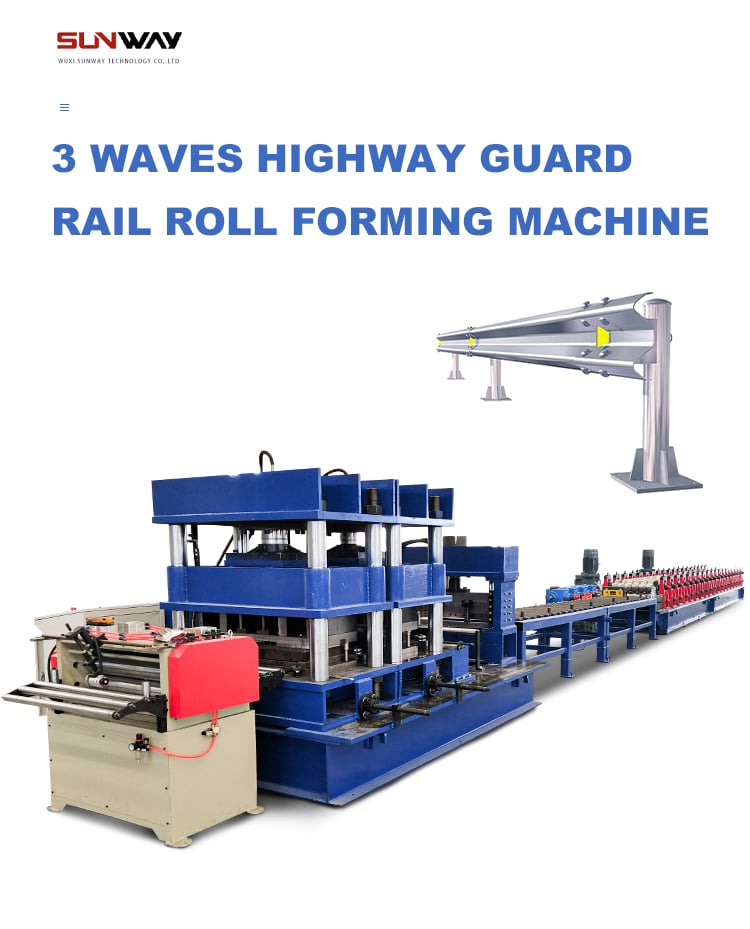
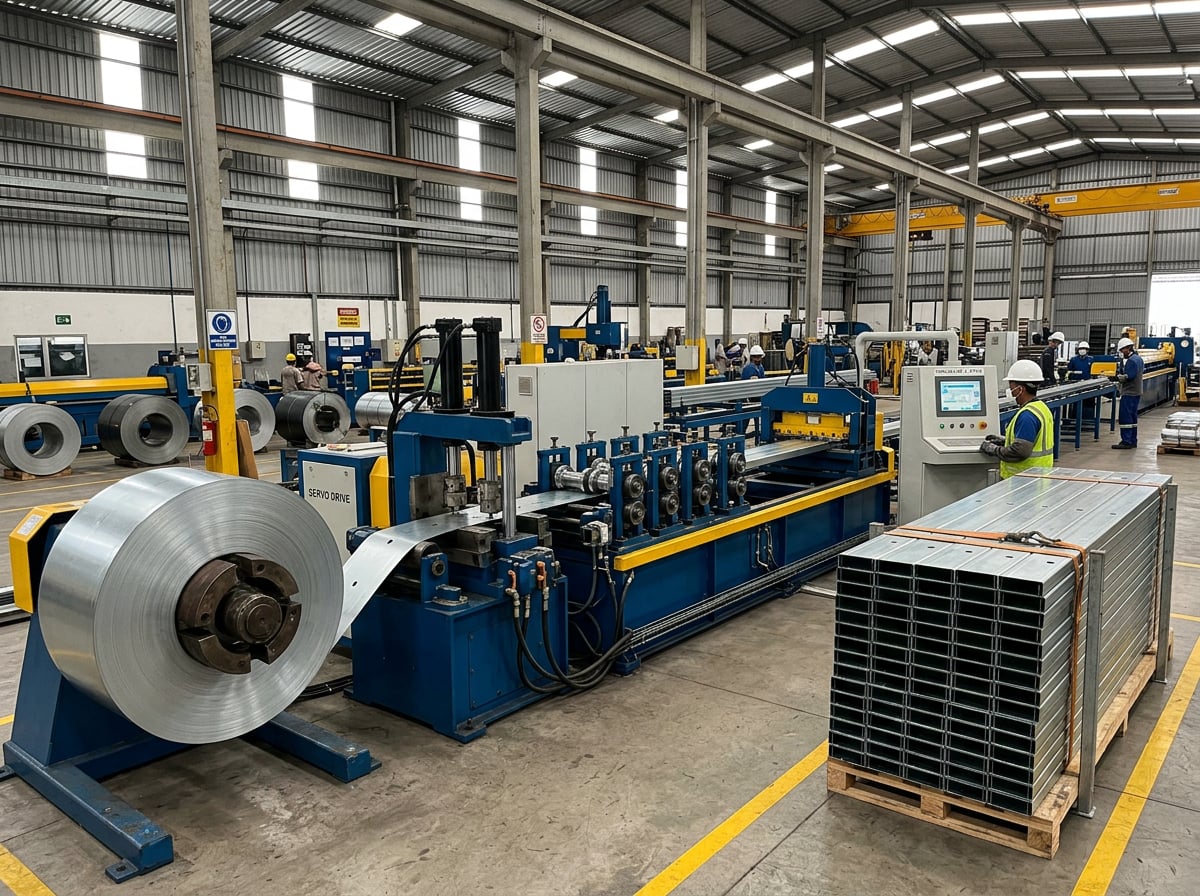
Metal forming machine in a product photograph
Future Ridge Cap Roll Forming Innovations
Emerging improvements include:
Processes: Additive augmented fabrication; self-cleaning tooling; induction heat seam welding
Materials: Composite sandwiches; snap-fit standing seams interlocks; plastic and non-metal alternatives
Automation: Auto ridge height optimizations; robotic packing; video quality analytics
Controls: Smart linked operator assistive wearables; cloud-enabled diagnostics
Safety: Alert wearables guiding procedures; contactless guard position sensors
Conclusion
Roof ridge capping roll form machinery allows automating mass fabrication of metallic rain runoff cresting accessories combining speed, precision consistency and safety otherwise challenging to achieve through manual sheet bending approaches. Configuring appropriate production lines factoring regional construction growth visibility projections coupled with likely mix variability allows appropriately future proofing capacity investments right sized for both current and anticipated building industry demand surges. By adopting disciplined standard operating protocols and maintenance schedules, roof ridge cap roll lines sustain responsive infrastructure supply chains supporting soaring global peak roofing accessory needs.
Frequently Asked Questions (Supplemental)
1) What coil materials perform best for roof ridge cap roll forming?
- Pre-painted galvanized steel (AZ/GI), aluminum (3003/3004), and 304 stainless are common. For coastal or industrial zones, use AZ150/AZ200 or 0.7–0.8 mm aluminum with marine-grade coatings to withstand corrosion.
2) How do I choose between a standard and servo-driven Roof Ridge Cap Roll Forming Machine?
- Choose standard for fixed, high-volume SKUs with minimal changeovers. Select servo roll stations when you need frequent profile changes, tighter tolerances on crest angles, or synchronized emboss/bead features with recipe-controlled repeatability.
3) What production tolerance is realistic for ridge cap angles and lengths?
- With calibrated guides, quality tooling, and servo cut-off, expect ±0.5° on crest angle and ±0.8–1.5 mm on length per piece over 2–4 m parts. Environmental factors (temperature, coil crown) must be controlled to hold spec.
4) How can I reduce oil stains and scratches on pre-painted ridge caps?
- Use paint-wettable, low-residue forming fluids (pH 8.5–9.5), maintain felt/urethane support rollers, target roller surface finish Ra ≤0.4 μm, and add inline film or PET protective layer. Install mist extraction and perform weekly wipe tests.
5) What site power and floor requirements are typical?
- For mid-size lines: 380–480 V, 3-phase, 40–80 kW connected load; level reinforced slab rated ≥4–5 t/m², with straightness tolerance ≤2 mm over the line footprint to prevent long-term pass misalignment.
2025 Industry Trends For Roof Ridge Cap Roll Forming Machines
- AI-enabled setup assistants: Vision + torque sensors suggest pass gaps and shimming, cutting changeover time by 20–35%.
- Sustainability-first coils: Wider adoption of low-embodied-carbon steel and high-recycled-content aluminum to meet ESG procurement.
- Smart energy packs: Regenerative drives and standby modes reduce kWh/ton, increasingly part of RFQs.
- Inline QC standardization: Mid-range lines now ship with camera-based edge/hem inspection and SPC dashboards by default.
- Safer operations: Safety PLCs integrated with guided LOTO workflows and contactless guard sensors to meet ISO 13849-1 and IEC 62061.
2025 Benchmark Data And Kpis (Ridge Cap Lines)
| Metric | 2023 Typical | 2025 Best-in-Class | Expected Impact on Costs | Notes/Sources |
|---|---|---|---|---|
| Changeover time (single-profile) | 45–60 min | 15–25 min | -2–4% labor/part | SME/plant reports; vendor demos of AI setup assistants |
| First-pass yield (pre-painted) | 95–97% | 98–99% | -1–2% scrap | The Fabricator technical library; OEM case data |
| Energy intensity (kWh/ton) | 110–140 | 85–110 | -5–10% energy | World Steel energy benchmarks: https://worldsteel.org |
| Unplanned downtime | 7–10% | 3–5% | +3–5 pts OEE | McKinsey insights on predictive maintenance in manufacturing |
| VOC emissions (forming fluids) | Legacy oils | Low-VOC, paint-wettable | Compliance risk ↓ | ISO lubrication and coatings best practices: https://www.iso.org |
Authoritative references:
- World Steel Association (energy and sustainability):https://worldsteel.org
- McKinsey (predictive maintenance impact):https://www.mckinsey.com
- The Fabricator (roll forming best practices):https://www.thefabricator.com
- ISO standards catalogue (safety/lubrication):https://www.iso.org
Latest Research Cases
Case Study 1: Servo Upgrade Cuts Changeover Losses (2025) Background: A roofing accessories plant produced three ridge cap SKUs; frequent changeovers caused scrap and lost time. Solution: Retrofitted servo-driven roll stands on critical passes, added camera-based edge tracking, and recipe-managed cut-off timing; implemented low-residue fluid and roller Ra ≤0.4 μm. Results: Changeover time fell from 52 to 19 minutes; first-pass yield rose from 96.1% to 98.8%; surface defect claims dropped 42%; 11-month ROI.
Case Study 2: Predictive Maintenance for Cut-Off and Gearboxes (2024) Background: Unplanned stops from hydraulic cut-off wear and gearbox bearing failures. Solution: Installed vibration/temperature sensors on gearboxes and cut-off slides; developed alarm thresholds with motor current signature analysis; added auto-lube tied to cycle counts. Results: Unplanned downtime decreased from 8.7% to 4.3%; cut-off blade life extended 35%; maintenance overtime reduced 22%.
Expert Opinions
- Dr. Emily Novak, Principal Engineer, Metal Forming Institute, Ohio State University Viewpoint: “Ridge cap accuracy hinges on pass progression and material memory. Calibrated entry guides and controlled roll radii reduce springback variability more effectively than over-bending alone.” Source:https://engineering.osu.edu
- Chris Fletcher, Director of Tooling Engineering, Roll-Kraft Viewpoint: “For pre-painted coils, roller finish and alignment matter as much as geometry. Target Ra ≤0.4 μm, verify runout, and lock torque values; most cosmetic defects trace back to inconsistent setups.” Source:https://www.roll-kraft.com
- Maria Kühn, Functional Safety Lead, TÜV Rheinland Viewpoint: “Integrating safety PLCs with HMI-guided LOTO and performance level validation per ISO 13849-1 is becoming a de facto requirement on new roll form lines.” Source:https://www.tuv.com
Practical Tools And Resources
- Coil handling and slit width calculators: Ryerson Knowledge Centerhttps://www.ryerson.com
- Roll forming setup/troubleshooting guides: Roll-Kraft Resource Centerhttps://www.roll-kraft.com/roll-forming-resource-center
- Vision inspection for hems/edges: Keyence (vision systems)https://www.keyence.comand Cognexhttps://www.cognex.com
- Predictive maintenance hardware/software: ifm moneohttps://www.ifm.com; Hansford Sensorshttps://www.hansfordsensors.com
- Energy/OEE dashboards: Ignition by Inductive Automationhttps://inductiveautomation.com
- Safety and LOTO programs: OSHA resourceshttps://www.osha.gov/lockout-tagout
Quick implementation checklist for a Roof Ridge Cap Roll Forming Machine:
- Profile control: Document pass settings and shims; store recipes with version control.
- Surface quality: Maintain roller finish, use paint-wettable fluid, add protective film for sensitive colors.
- Cut-off accuracy: Calibrate encoder/length sensor monthly; verify clamp pressure and blade sharpness.
- Maintenance: PdM sensors on gearboxes and cut-off; monthly thermography on drives; quarterly torque audits.
- Safety: Validate safety PLC category/performance level; test e-stops and interlocks quarterly; train LOTO.
Target keyword integration examples:
- Upgrading to a servo Roof Ridge Cap Roll Forming Machine improves angle control and reduces setup time.
- Predictive maintenance on your roof ridge cap roll forming line cuts unplanned downtime and scrap.
Citations and further reading:
- World Steel Association: Decarbonization and energy benchmarkshttps://worldsteel.org
- The Fabricator: Roll forming defect prevention articleshttps://www.thefabricator.com
- OSHA: Machine guarding and LOTOhttps://www.osha.gov
- ISO: Safety and lubrication standards cataloguehttps://www.iso.org
Last updated:2025-10-24 Changelog:Added 5 FAQs, 2025 trends with KPI table, two recent case studies, expert viewpoints with sources, and practical tools/resources including a quick implementation checklist tailored to roof ridge cap roll forming machines. Next review date & triggers:2026-05-15 or earlier if safety standards (ISO 13849-1/IEC 62061) change, new low-VOC forming fluids are released, or energy/regulatory requirements for coated coils are updated.