 English
 Spanish
 French
 Bengali
 Russian
 Arabic
 Turkish
Introduction
When it comes tometal forming, two of the most commonly used techniques areroll forming and press braking. Both processes shape metal sheets intoprecise profiles, but they differ inspeed, efficiency, cost, and suitability for different applications.
So, which one should you choose?
In this guide, we’ll compareroll forming vs. press brakingin2025, covering:
✅How each process works ✅Key differences in speed, cost, precision, and efficiency ✅Best applications for each method ✅Which industries rely on roll forming vs. press braking? ✅Why roll forming is the preferred choice for high-volume production
Let’s dive in!
Understanding Roll Forming
What Is Roll Forming?
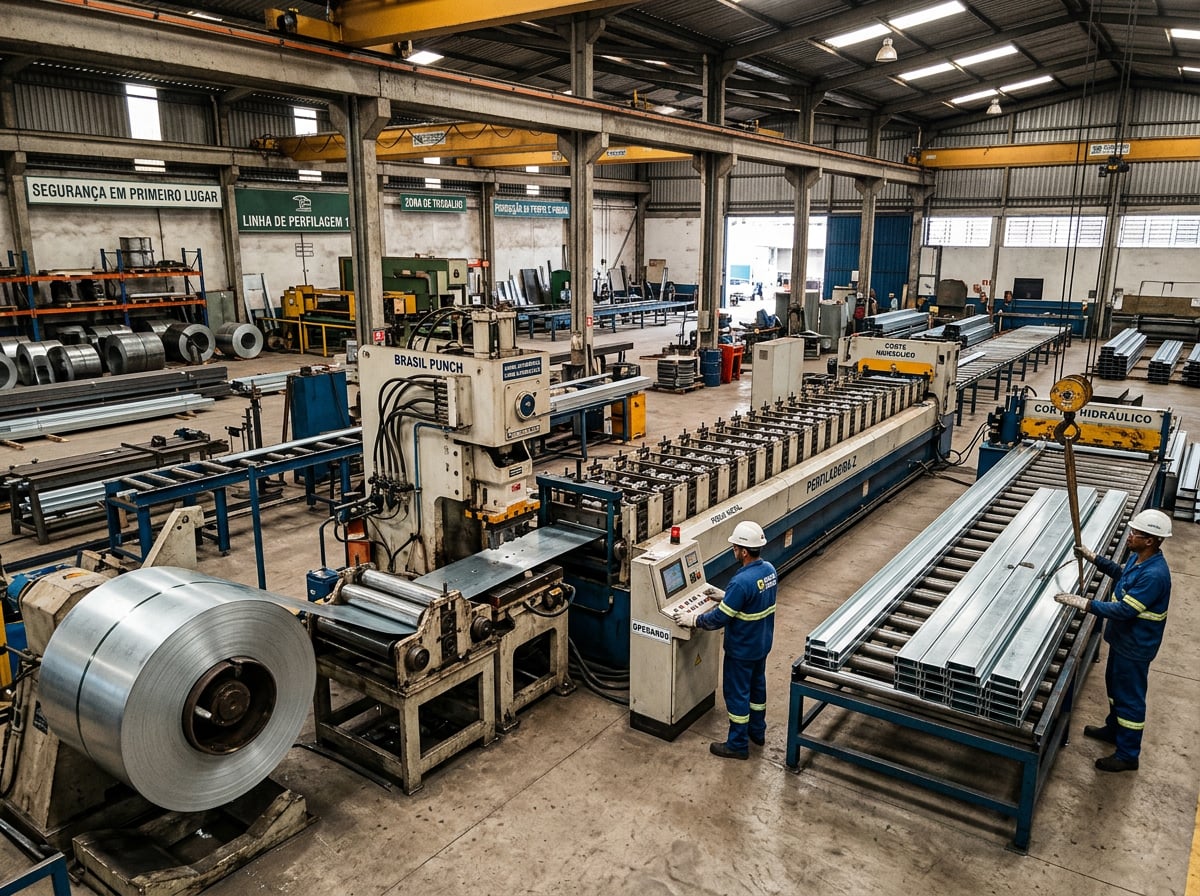
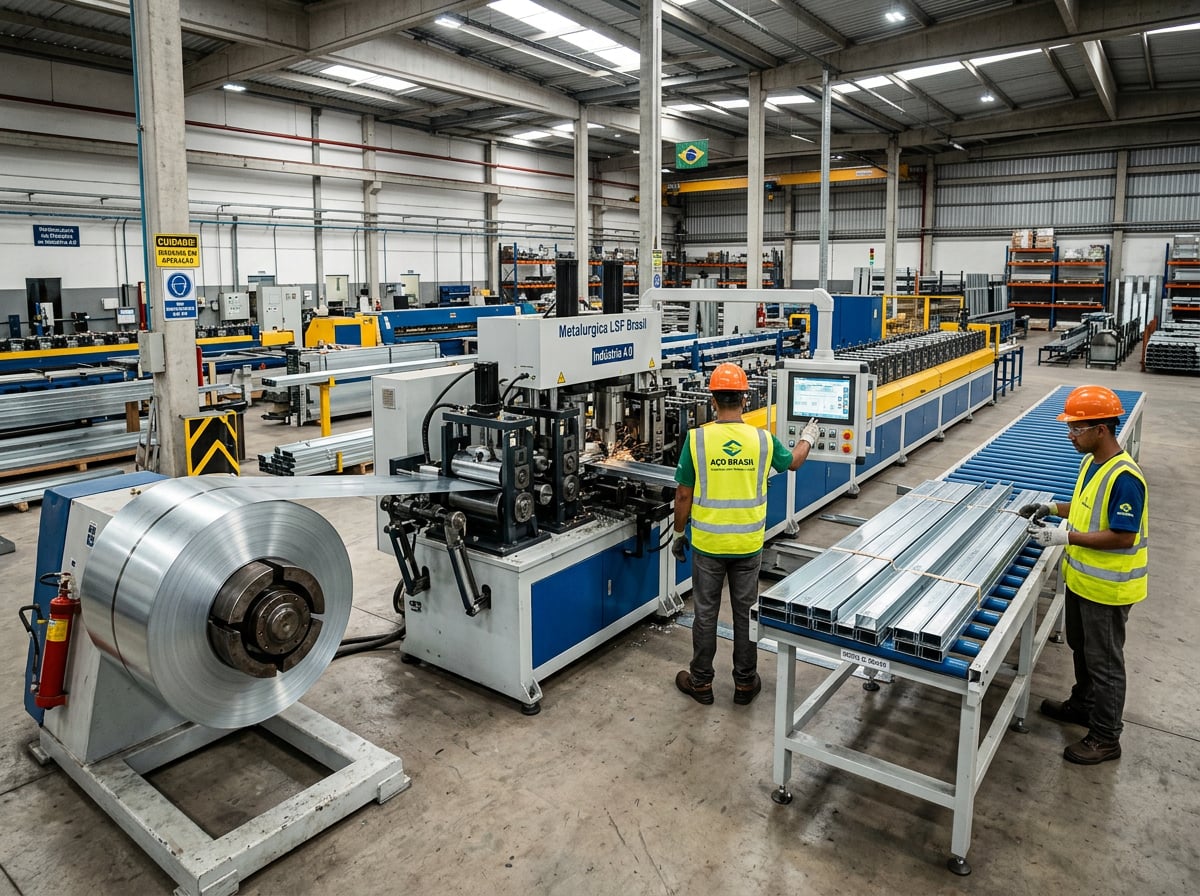
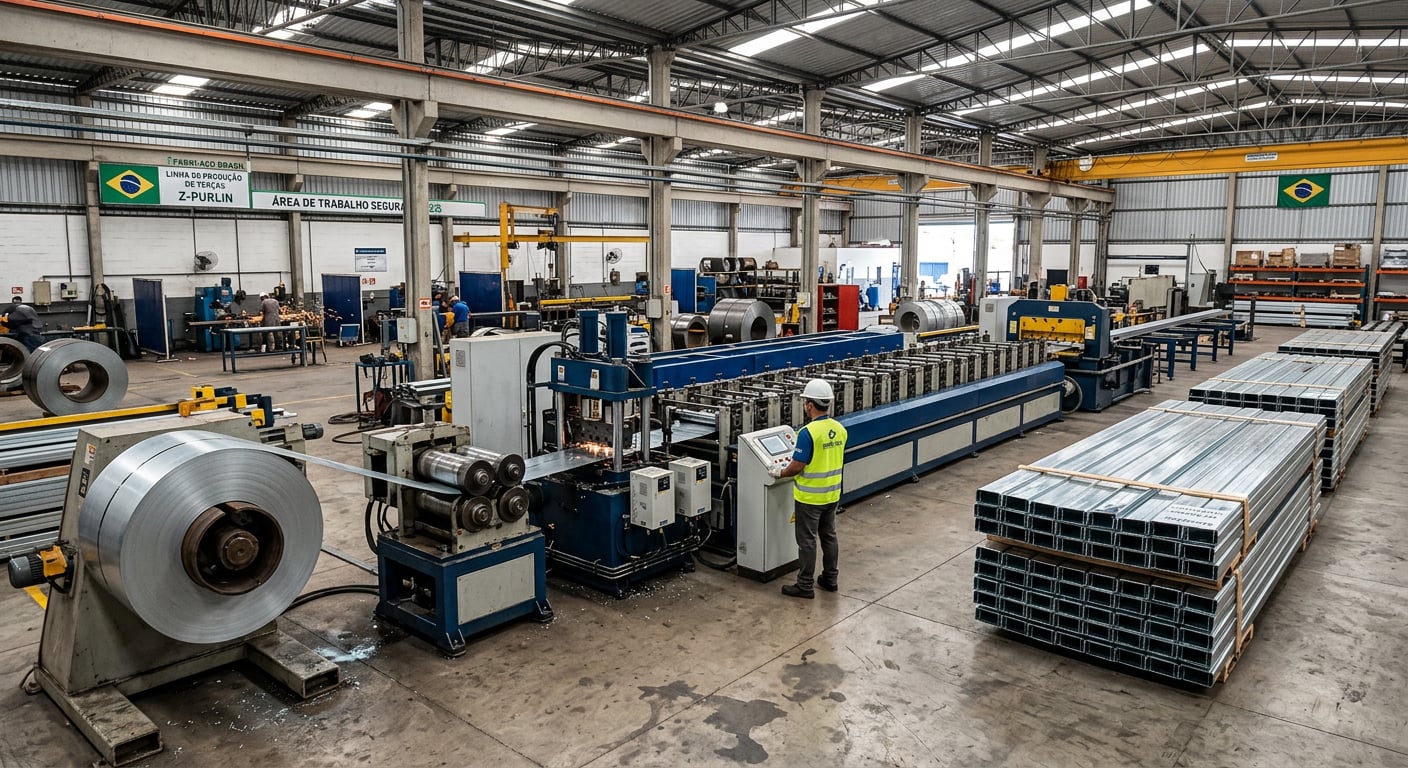
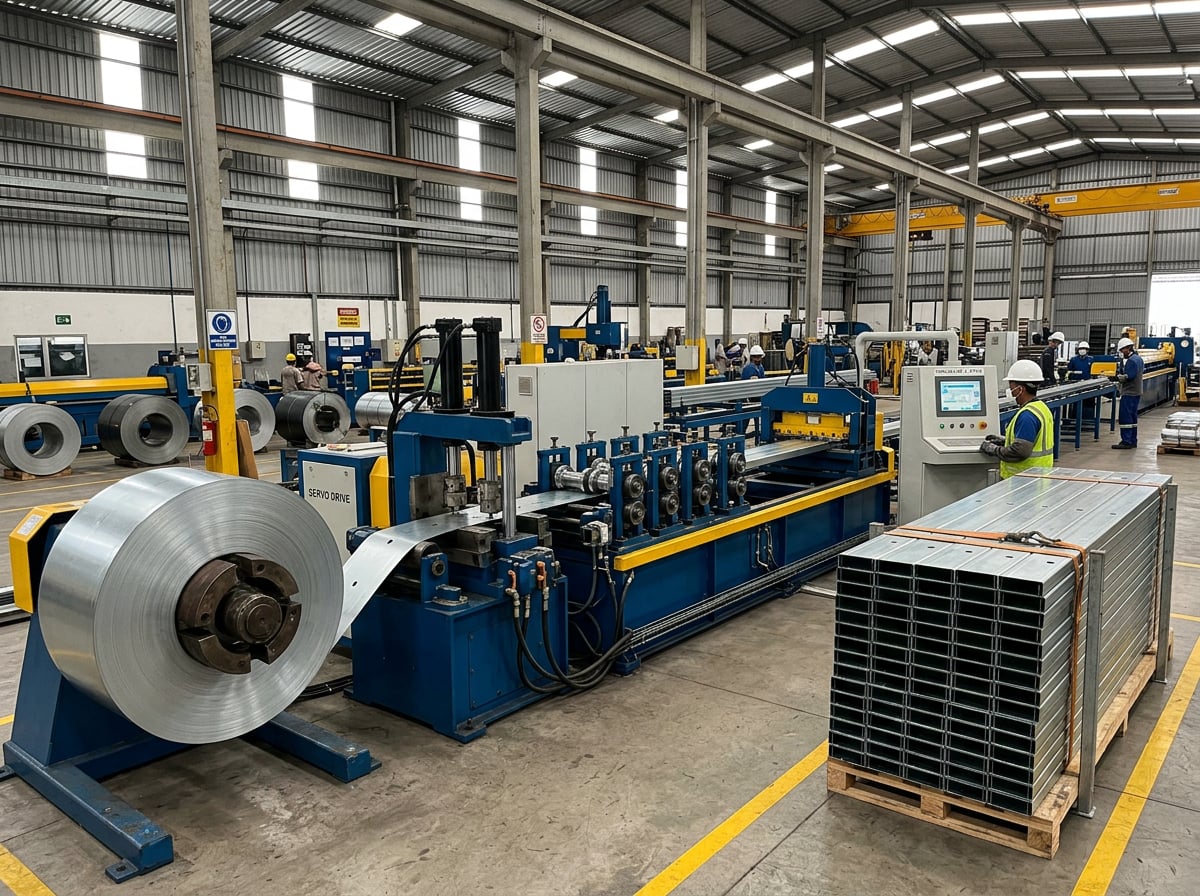
Roll forming is acontinuous metal forming processthat shapes sheet metal intolong, uniform profilesusinga series of roller stations. The material passes through multiple rollers that gradually shape it into thedesired cross-section.
How Roll Forming Works
| Step | Process Description |
|---|---|
| 1. Coil Loading | A metal coil is fed into the roll forming machine. |
| 2. Progressive Forming | The sheet passes through a series of rollers that gradually bend the metal into shape. |
| 3. Inline Cutting & Punching | The profile is cut to length and punched if necessary. |
| 4. Final Inspection & Packaging | The finished profiles are quality-checked and prepared for shipment. |
Pro Tip:Roll forming is best forhigh-volume, continuous productionofuniform metal profiles.
Understanding Press Braking
What Is Press Braking?
Press braking is ametal bending processthat uses ahydraulicor mechanical press braketo bend metal sheets intospecific angles. The metal is placed between apunch and die, which exert force to form the sheet into the desired shape.
How Press Braking Works
| Step | Process Description |
|---|---|
| 1. Sheet Placement | A flat metal sheet is positioned on the press brake. |
| 2. Die & Punch Selection | The appropriate die and punch combination is chosen for the required bend. |
| 3. Bending Process | The press brake applies force, bending the sheet into the desired angle. |
| 4. Inspection & Adjustment | The formed part is checked for accuracy and adjusted if necessary. |
Pro Tip:Press braking is best forlow-volume productionandcustom one-off bends.
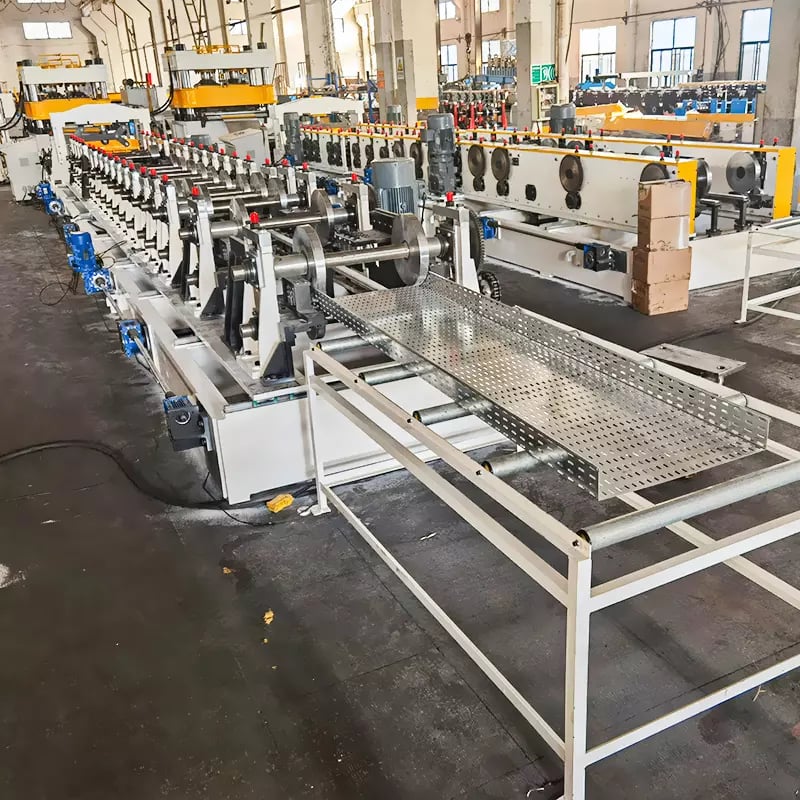
Sheet metal forming equipment
Roll Forming Vs. Press Braking: Key Differences
| Feature | Roll Forming | Press Braking |
|---|---|---|
| Production Speed | Continuous, high-speed production (up to 50m/min) | Slower, batch-based production |
| Best for | High-volume production of uniform profiles | Low-volume, custom bends |
| Tooling Cost | Higher initial tooling cost but lower per-unit cost | Lower tooling cost but higher per-unit cost |
| Flexibility | Limited to pre-designed profiles | Highly flexible for custom bends |
| Precision & Tolerance | Highly precise, minimal distortion in long profiles | Good for shorter sections, but less accurate for long profiles |
| Material Waste | Minimal waste due to continuous process | More waste due to trial-and-error adjustments |
| Automation | Fully automated with inline cutting, punching, and welding | Requires manual adjustments |
| Labor Intensity | Low labor requirement | High labor requirement |
Verdict:
- Roll forming is better for large-scale industrial productionwherespeed, consistency, and cost-efficiencymatter.
- Press braking is better for custom, small-batch, or prototype productionwhereflexibility is required.
When To Use Roll Forming Vs. Press Braking
Roll Forming Is Best For:
✅High-volume production(e.g., automotive, construction, solar industries) ✅Long, uniform profiles(e.g., C & Z purlins, metal roofing, highway guardrails) ✅Reducing material waste and labor costs ✅Achieving high precision with minimal distortion
Press Braking Is Best For:
✅Low-volume, custom jobs(e.g., small fabrication shops, prototyping) ✅Short-length metal componentsthat requireangular bends ✅Quick setup with minimal tooling costs
If you need high-speed, cost-efficient production, go with roll forming. If you need flexibility for low-volume jobs, press braking is the better choice.
Industries That Use Roll Forming Vs. Press Braking
| Industry | Roll Forming | Press Braking |
|---|---|---|
| Automotive | Structural components, crash-resistant beams | Custom brackets, low-volume parts |
| Construction | Metal roofing, wall panels, purlins | Custom trim, window frames |
| Racking & Shelving | Warehouse storage racks, uprights, beams | Custom shelf brackets |
| Solar Energy | PV mounting structures, solar panel frames | Small mounting brackets |
| Aerospace | High-strength structural components | Custom one-off parts |
Pro Tip:Roll forming is widely used in industries requiring mass production, while press braking serves more niche, low-volume applications.
Why Roll Forming Is The Future Of Metal Forming
As industries move towardsautomation, efficiency, and cost reduction, roll forming is becoming thepreferred choice for large-scale manufacturers.
Advantages Of Roll Forming Over Press Braking
✅50% faster production speeds ✅70% lower labor costs due to automation ✅Minimal material waste ✅Inline processing reduces post-production work ✅Perfect for industries with high-volume needs
Looking for a high-speed, precision roll forming machine?Sunway Machineoffersstate-of-the-art roll forming solutionsforglobal manufacturers.
Even withadvanced roll forming and press braking technologies, manufacturers may encounterchallenges such as material deformation, misalignment, and production inefficiencies. Addressing these issuesearlyensuresconsistent quality, reduced downtime, and improved efficiency.
Troubleshooting Guide For Roll Forming Vs. Press Braking
| Issue | Roll Forming Cause & Solution | Press Braking Cause & Solution |
|---|---|---|
| Profile Distortion | Misaligned rollers, incorrect pressure settings → Recalibrate rollers and adjust forming pressure | Incorrect punch and die selection → Use properly matched punch and die |
| Material Wrinkling | Uneven material feeding → Ensure uniform material tension and adjust guide rolls | Over-bending of the sheet → Reduce bending force or adjust die clearance |
| Inconsistent Dimensions | Roller wear or incorrect CNC settings → Inspect rollers and recalibrate CNC programs | Manual setup errors → Use automated press brakes for higher accuracy |
| Surface Scratches | Dirty rollers or improper lubrication → Clean rollers and apply anti-scratch coatings | Poor-quality punch/die or excessive force → Use high-precision tools and adjust force settings |
| Slow Production Speed | Overloaded machine or incorrect material thickness → Optimize material input and machine settings | Manual bending sequence errors → Use CNC-controlled press brakes |
Pro Tip:Regularmachine calibration and preventive maintenancecanreduce errors by up to 60%andincrease production efficiency significantly.
Future Trends In Roll Forming & Press Braking (2025 & Beyond)
Themetal forming industryis evolving rapidly, withautomation, AI, and sustainabilityshaping the future ofroll forming and press braking technologies.
Key Innovations For 2025
1. AI-Powered Quality Monitoring
- AI-drivenreal-time defect detectionimproves quality control.
- Reduces material waste and ensuresconsistent accuracy.
2. Iot-Enabled Smart Factories
- Machines are now integrated withcloud-based monitoring, enablingremote diagnostics and predictive maintenance.
- Enhancesproduction tracking and operational efficiency.
3. Servo-Driven Press Brakes & Roll Forming Machines
- Improvesspeed control, accuracy, and energy efficiency.
- Reduceswear and tear on mechanical components, increasing machine lifespan.
4. Fully Automated Profile Adjustments
- Eliminatesmanual adjustmentswhen switching between different profiles.
- CNC-controlledautomatic profile changeoversreduce downtime and improve efficiency.
Upgrading to AI-powered roll forming and press braking technologies can increase production efficiency by up to 50%!
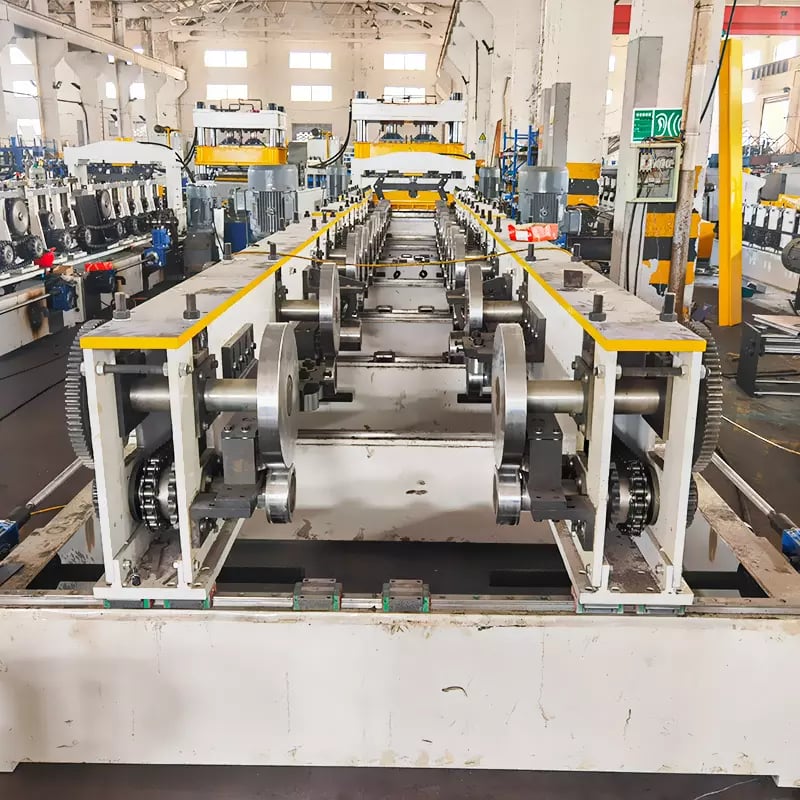
Close-up of forming rollers and shafts
Automation In Roll Forming Vs. Press Braking
Automation isrevolutionizingroll forming and press braking, making themsmarter, faster, and more cost-efficient.
Comparison Of Automation Features In Roll Forming & Press Braking
| Automation Feature | Roll Forming | Press Braking |
|---|---|---|
| CNC & PLC Control | Ensures precise profile formation with minimal waste | Fully automated bending sequences for accuracy |
| AI-Based Defect Detection | Identifies defects in real-time, reducing material waste | Detects bending errors and corrects force distribution |
| IoT & Remote Monitoring | Allows manufacturers to track machine performance remotely | Enables predictive maintenance and operational tracking |
| Automated Profile Changeover | Reduces downtime when switching between profiles | CNC-controlled punch and die selection for multi-bend jobs |
| Energy-Efficient Motors | Lowers operational costs and improves sustainability | Servo-driven systems enhance accuracy and speed |
Fully automated roll forming machines fromSunway Machineimprove production efficiency by up to40%!
Essential Maintenance Tips For Roll Forming & Press Braking Machines
Propermaintenanceensuresextended machine lifespanandconsistent production quality.
Maintenance Checklist For Roll Forming & Press Braking Machines
| Task | Frequency | Purpose |
|---|---|---|
| Lubricate Rollers & Bearings | Weekly | Prevents wear and tear |
| Check Roller & Die Alignment | Monthly | Ensures accurate profile production |
| Inspect Cutting & Bending Mechanism | Quarterly | Prevents defective cuts, bends, and misalignment |
| Clean Machine Components | Daily | Removes dust and debris that can affect performance |
| Update Software & Calibration | Semi-Annually | Keeps automation functions optimized |
Pro Tip:Scheduled maintenance canextend machine lifespan by 50%andreduce failures by 70%.
1. Which Method Is Better For High-Volume Production?
- Roll forming is superior for high-volume productiondue to itscontinuous process and automation capabilities.
- Press braking is better for low-volume or custom jobsthat requiremanual flexibility.
2. Is Roll Forming Or Press Braking More Cost-Effective?
- Roll forming has a higher initial tooling costbut alower per-unit cost, making itmore cost-effective for large-scale production.
- Press braking has lower initial costsbuthigher labor expenses and slower production rates, making itless efficient for mass production.
3. Which Method Produces More Precise Parts?
- Roll forming ensures higher precision for long, uniform profiles.
- Press braking is more precise for small, angular bends but can have variations in long sections.
4. Can Roll Forming Replace Press Braking Entirely?
- No, because some industries requirecustom bends and low-volume production, which press braking handles better.
- However,roll forming is preferred for most industrial applications where uniformity and speed are critical.
5. What Materials Can Be Used In Both Methods?
- Both roll forming and press brakingsupportsteel, aluminum, stainless steel, and titanium.
- Roll forming is better for thinner materials, whilepress braking is ideal for thicker sheets.
6. Where Can I Buy A High-Quality Roll Forming Machine?
Forcustom-built, high-speed roll forming machines, visitWUXI SUNWAY MACHINERY CO., LTD.
Bothroll forming and press brakinghave their advantages, but if you’re looking forhigh-speed, cost-efficient, large-scale production,roll forming is the superior choice.
WUXI SUNWAY MACHINERY CO., LTDis aleading global manufacturerofcustom-built roll forming machines, offeringadvanced technology, expert support, and competitive pricing.
Want ahigh-quality roll forming machine?Contact us today!