 English
 Spanish
 French
 Bengali
 Russian
 Arabic
 Turkish
Introduction
Ever wondered howlong, uniform metal profileslike roofing sheets, C & Z purlins, and highway guardrails are made? The answer lies in theroll forming process—an efficient, high-speed metal shaping method used across multiple industries.
Aroll forming machineis designed toprogressively shape metal sheetsby passing them through a series ofprecision-engineered rollers. Unlike traditional metal bending methods, roll formingminimizes material waste, reduces labor costs, and enhances production efficiency.
In this guide, we’ll cover:
✅How a roll forming machine works ✅Key components of a roll forming system ✅Step-by-step roll forming process ✅Types of roll forming machines ✅Advantages of roll forming over other metal forming methods
Let’s dive into the mechanics behindone of the most efficient metal shaping processes in modern manufacturing!
How Does A Roll Forming Machine Work?
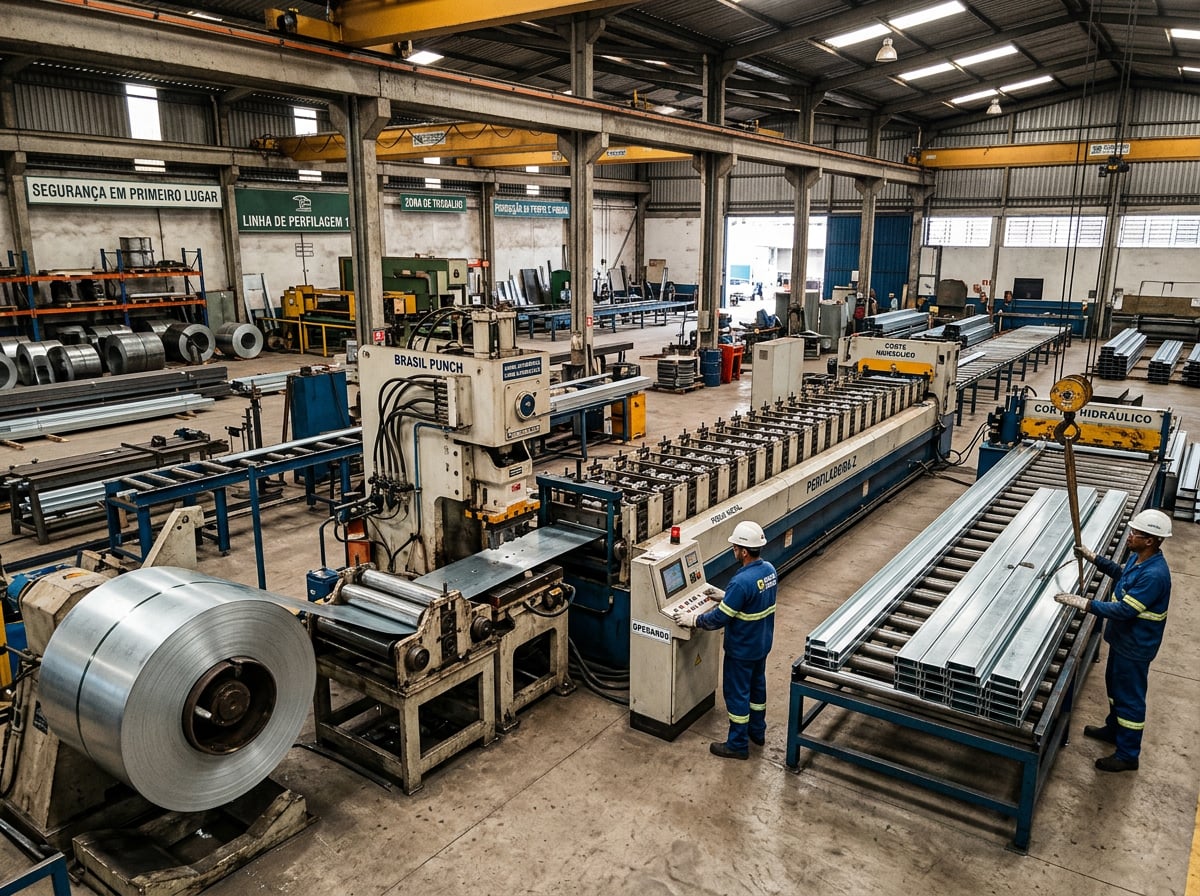
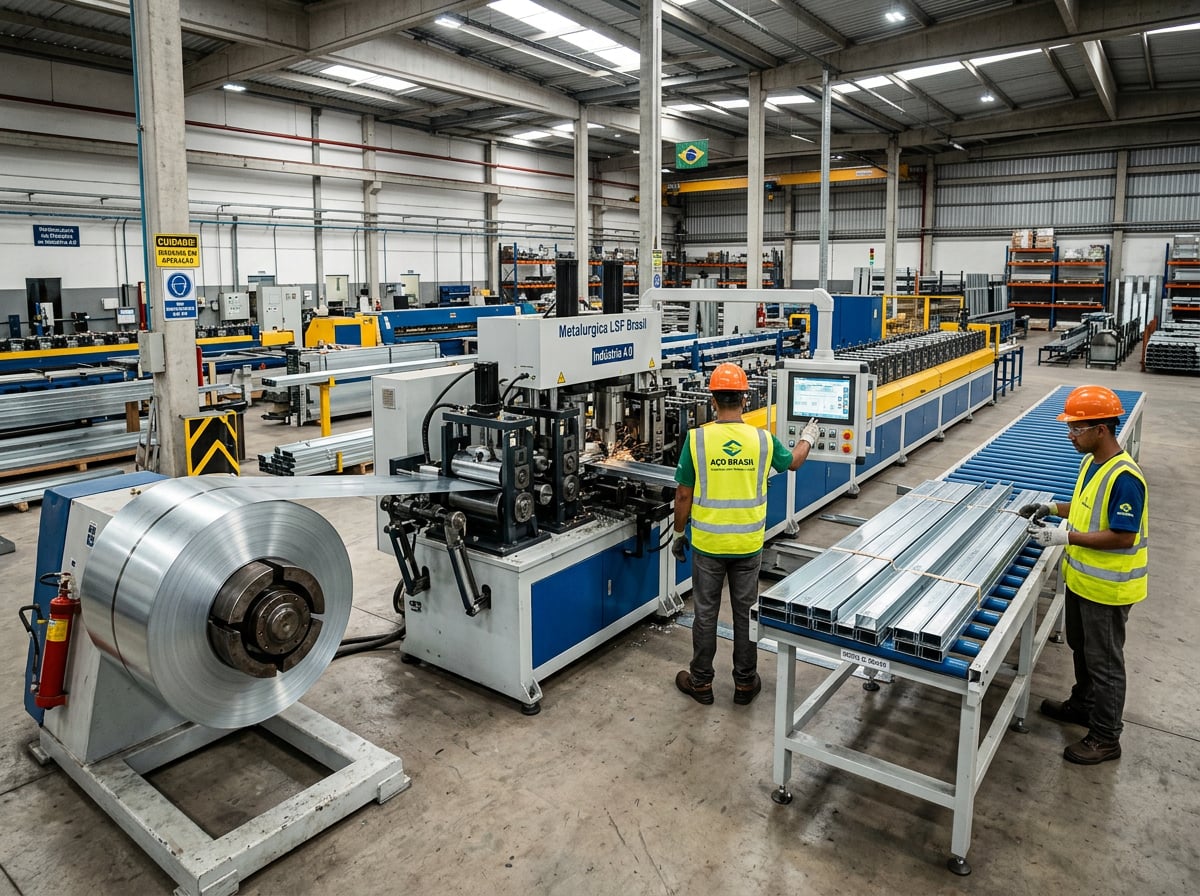
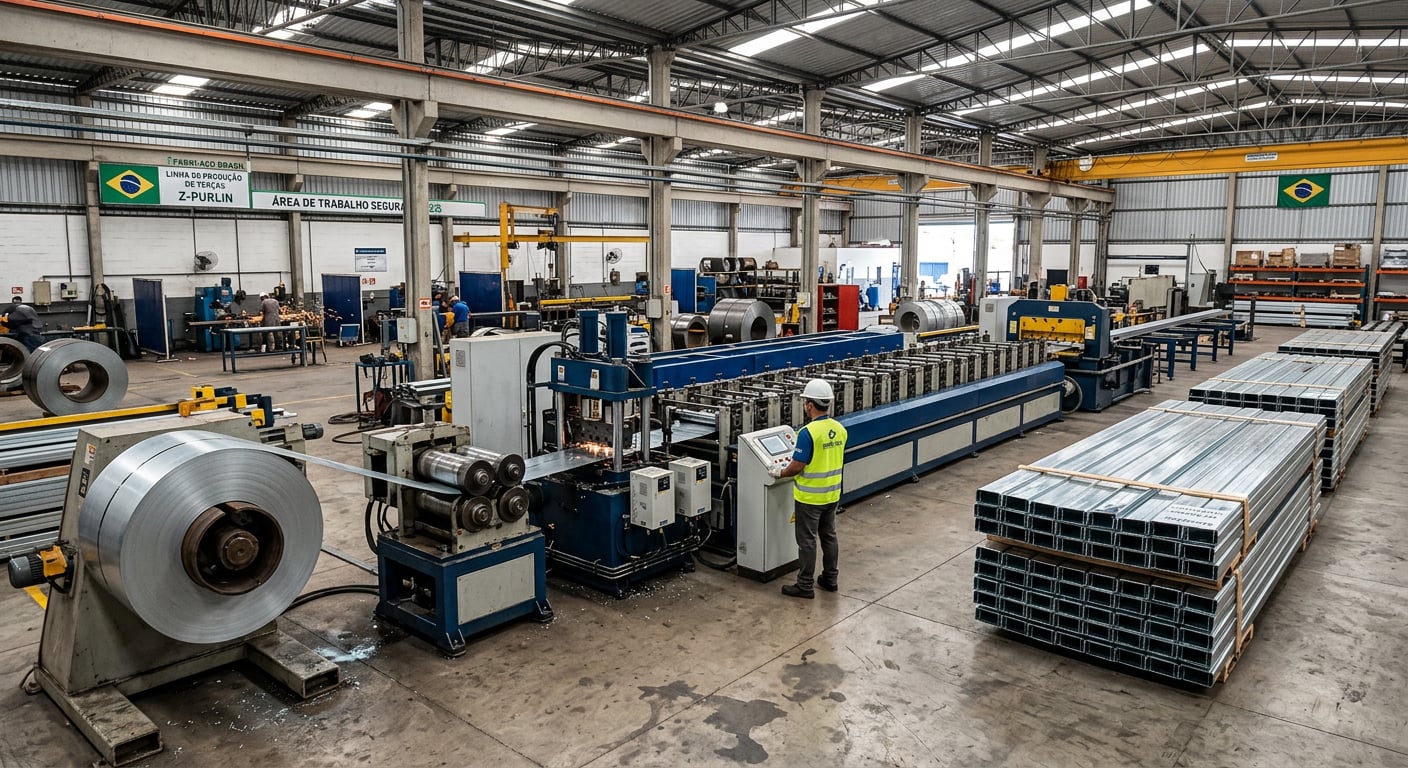
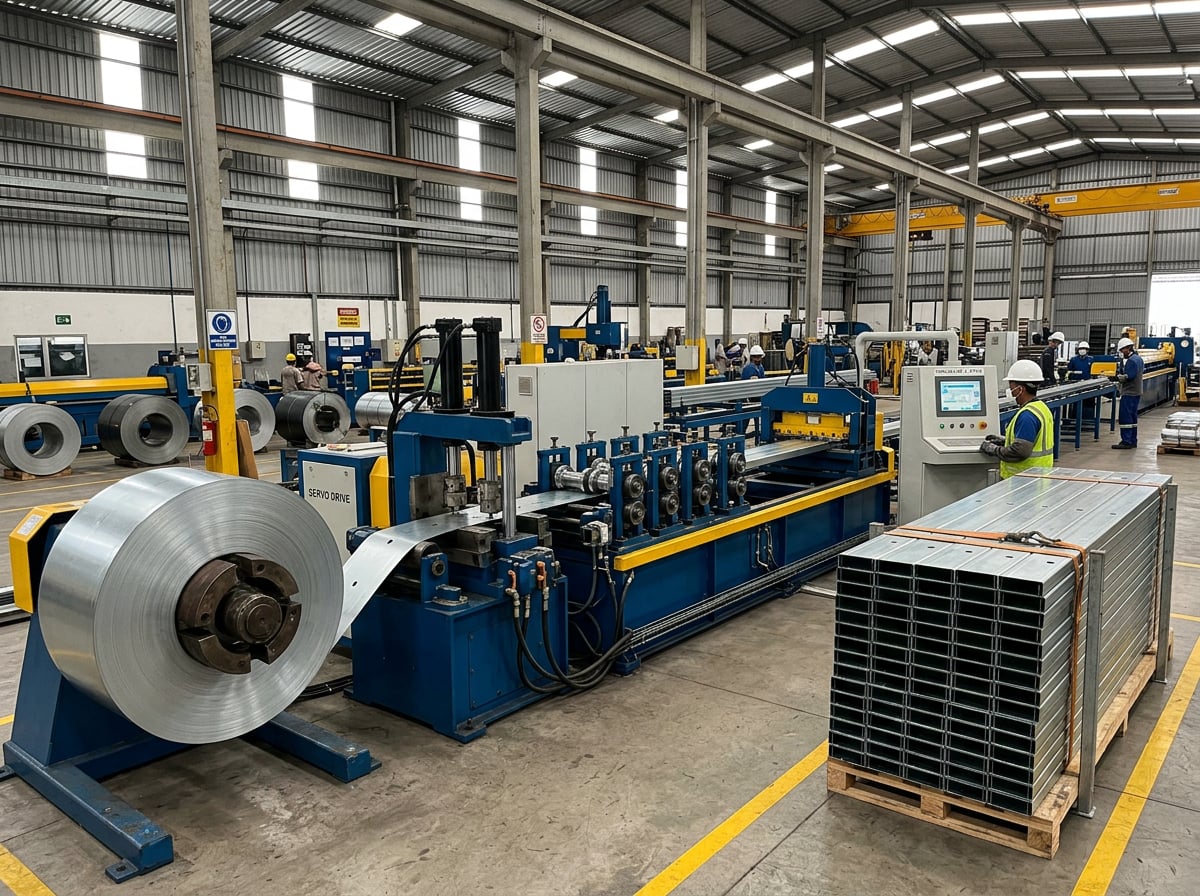
Aroll forming machineoperates bygradually bending a metal stripinto a specific shape throughmultiple sequential roller stations. Instead of bending the metal all at once (like press braking), roll formingapplies incremental bendsover several roller stages, ensuring smooth, precise shaping.
Basic Working Principle
1️⃣Material Feeding– A metal coil is unrolled and fed into the machine. 2️⃣Gradual Forming– The metal passes through a series ofroller stations, each making small incremental bends. 3️⃣Inline Processing (Optional)– Punching, notching, embossing, or welding can be integrated into the process. 4️⃣Cutting to Length– The formed profile is cut to the required size. 5️⃣Final Product Output– The finished part is sent for inspection and packaging.
Pro Tip:The incremental bending process ensuresminimal material stress, resulting inhigh-strength, precision-formed profiles.
Key Components
Ahigh-quality roll forming machineconsists of multiple essential components that work together to createcomplex metal profiles with precision and efficiency.
Major Components & Their Functions
| Component | Function |
|---|---|
| Decoiler | Holds and unwinds the metal coil for feeding into the machine. |
| Feeding Guide System | Aligns and directs the sheet into the rollers. |
| Roller Stations | Multiple rollers progressively shape the metal sheet. |
| Punching/Notching Unit (Optional) | Adds holes, slots, or indentations in the metal before final forming. |
| Cutting System | Cuts the formed profile to the required length. |
| Hydraulic or Servo Motor Drive | Powers the rollers, ensuring smooth material movement. |
| Control System (PLC/CNC) | Automates and monitors the entire roll forming process. |
| Product Output Table | Collects finished parts for inspection and packaging. |
Sunway Machineprovidescustom-built roll forming machineswithadvanced automation and precision controls.
Step-By-Step Roll Forming Process
Theroll forming processis designed forcontinuous, high-speed metal shaping, making it ideal formass production of uniform profiles.
Detailed Roll Forming Process Flow
| Step | Description |
|---|---|
| 1. Material Loading | A metal coil is placed on the decoiler, and the sheet is fed into the machine. |
| 2. Initial Feeding & Alignment | The sheet passes through alignment guides to ensure straight entry. |
| 3. Progressive Roll Forming | The metal sheet moves through multiple roller stations, each applying gradual bends. |
| 4. Inline Punching & Notching (If Required) | Servo-driven punching units create holes, slots, or embossing as needed. |
| 5. Cutting to Length | A hydraulic or flying shear cutting system slices the formed profile at the required length. |
| 6. Final Product Output | The finished part exits onto the output table for quality inspection. |
Pro Tip:Servo-controlled cutting systemsensureprecise, burr-free cuts with minimal waste.
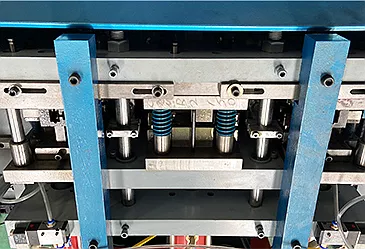
Cutting unit on a metal forming line
Types
Different applications requiredifferent types of roll forming machines, each offeringunique advantagesbased onprofile complexity, production speed, and automation level.
Comparison
| Machine Type | Best For | Key Features |
|---|---|---|
| Single Profile Roll Forming Machine | Fixed-profile production (e.g., roofing sheets) | Cost-effective, compact design |
| Multi-Profile Roll Forming Machine | Producing multiple profiles with quick-change tooling | Reduces downtime, increases flexibility |
| Adjustable Roll Forming Machine | Customizable width and shape adjustments | Ideal for C & Z purlin production |
| High-Speed Roll Forming Machine | Mass production of uniform profiles | Up to 50 meters per minute |
| Fully Automated Roll Forming Machine | High-precision, CNC-controlled operations | AI-powered defect detection, IoT integration |
Looking for a custom roll forming solution?Sunway Machineoffershigh-speed, precision roll forming machinesforglobal manufacturers.
Advantages Of Roll Forming Over Other Metal Forming Methods
Roll forming is widely preferred overpress braking, stamping, and extrusiondue to itsefficiency, precision, and cost-effectiveness.
Why Choose Roll Forming?
| Advantage | Roll Forming | Press Braking / Stamping |
|---|---|---|
| Production Speed | Continuous process (up to 50m/min) | Slower, batch-based production |
| Material Waste | Minimal waste due to incremental bending | More waste due to trial-and-error adjustments |
| Labor Cost | Low – fully automated process | High – requires manual adjustments |
| Part Consistency | High uniformity for long, repeated profiles | Variations possible in batch production |
| Tooling Cost | Higher initial cost, but lower per-unit cost | Lower initial cost, but higher per-unit cost |
Verdict:Roll forming is the best choice for high-volume, cost-efficient, precision manufacturing.
Even withstate-of-the-art roll forming machines, operators may encounterchallenges such as material distortion, misalignment, and roller wear. Identifying and troubleshooting these issuesearlyensuressmooth production and high-quality output.
Troubleshooting Guide
| Issue | Possible Cause | Solution |
|---|---|---|
| Profile Misalignment | Incorrect roller positioning, loose material feeding | Re-calibrate rollers and adjust material guides |
| Material Slipping in the Rollers | Loose feeder rollers, improper tension settings | Tighten feeder rollers and adjust material tension |
| Surface Scratches or Deformation | Dirty rollers, excessive forming pressure | Clean rollers regularly and adjust forming pressure |
| Inconsistent Cutting Lengths | Faulty cutting system, misaligned blades | Inspect and recalibrate the cutting mechanism |
| Roller Wear Due to High Friction | Lack of lubrication, excessive pressure | Apply proper lubrication and use hardened rollers |
Pro Tip:Regularroller calibration and lubricationcanextend machine lifespan by 40%andreduce profile defects significantly.
Future Trends In Roll Forming Technology
Theroll forming industryis rapidly evolving withAI, IoT, and automation, improvingefficiency, accuracy, and sustainability.
Key Innovations In Roll Forming Machines For 2025
1. AI-Based Defect Detection & Self-Correction
- AI-poweredcameras and sensors detect defects in real-time, reducing material waste.
- Ensuresconsistent profile accuracy without operator intervention.
2. Iot-Enabled Remote Monitoring
- Machines now featurecloud-based tracking, allowingoperators to monitor performance remotely.
- Enablesreal-time diagnostics and predictive maintenance.
3. Servo-Driven Roll Forming Technology
- Enhancesspeed control, accuracy, and energy efficiency.
- Reduceswear and tear on mechanical components, increasing machine lifespan.
4. Fully Automated Profile Adjustments
- Eliminatesmanual adjustmentswhen switching between different profiles.
- CNC-controlledautomatic profile changesreduce downtime and improve efficiency.
Upgrading to AI-powered roll forming machines can increase production efficiency by up to 50%!
Automation In Roll Forming Machines
Automation istransformingprecision metal forming, making roll forming machinessmarter, faster, and more cost-efficient.
Key Benefits Of Automated Roll Forming Machines
| Feature | Benefit |
|---|---|
| PLC & CNC Control Systems | Ensures precise measurements and minimizes human error |
| AI-Based Real-Time Defect Detection | Identifies issues instantly, reducing material waste |
| IoT & Remote Monitoring | Allows operators to track machine performance from anywhere |
| Automated Profile Changeover | Reduces downtime when switching between profiles |
| Energy-Efficient Servo Motors | Lowers operational costs and improves sustainability |
Fully automated roll forming machines fromSunway Machineimprove production efficiency by up to40%!
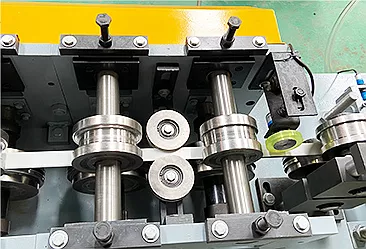
Close-up of forming rollers and shafts
Essential Maintenance Tips For Roll Forming Machines
Propermaintenanceensuresextended machine lifespanandconsistent production quality.
Maintenance Checklist For Roll Forming Machines
| Task | Frequency | Purpose |
|---|---|---|
| Lubricate Rollers & Bearings | Weekly | Prevents wear and tear |
| Check Roller Alignment | Monthly | Ensures accurate profile production |
| Inspect Cutting Mechanism | Quarterly | Prevents defective cuts and misalignment |
| Clean Machine Components | Daily | Removes dust and debris that can affect performance |
| Update Software & Calibration | Semi-Annually | Keeps automation functions optimized |
Pro Tip:Scheduled maintenance canextend machine lifespan by 50%andreduce failures by 70%.
1. How Does A Roll Forming Machine Work?
A roll forming machinegradually shapes metal sheetsby passing them throughmultiple roller stations, each applyingincremental bendsuntil the final profile is formed.
2. What Industries Use Roll Forming Machines?
Industries such as: ✅Construction(roofing panels, C & Z purlins) ✅Automotive(structural components, crash-resistant beams) ✅Solar Energy(solar mounting structures) ✅Racking & Shelving(warehouse racks, storage systems)
3. What Materials Can Be Used In Roll Forming?
Common materials include: ✅Galvanized Steel (G30-G90) ✅Stainless Steel(304/316) ✅Aluminum (6061/7075) ✅High-Tensile Steel
4. How Much Does A Roll Forming Machine Cost?
The price ranges from80,000forbasicmodels∗∗to∗∗80,000 for basic models** to **80,000forbasicmodels∗∗to∗∗1,200,000 for fully automated, AI-driven machines.
5. Where Can I Buy A High-Quality Roll Forming Machine?
Forcustom-built, high-speed roll forming machines, visitWUXI SUNWAY MACHINERY CO., LTD.
Investing in aroll forming machineis essential forindustries that require flexibility, efficiency, and high-speed production. Choosing atrusted manufacturerensureslong-term reliability and profitability.
WUXI SUNWAY MACHINERY CO., LTDis aleading global manufacturerofcustom-built roll forming machines, offeringadvanced technology, expert support, and competitive pricing.
Want aroll forming machine?Contact us today!