 English
 Spanish
 French
 Bengali
 Russian
 Arabic
 Turkish
Introduction
Aproper lubrication systemis essential forensuring smooth, efficient, and long-lasting operationof roll forming machines. Lubrication reducesfriction, prevents overheating, minimizes wear on dies and rollers, and improves product quality.
But how do youdesign an effective lubrication systemfor roll forming? What are thebest lubricants, application methods, and maintenance practices?
In this guide, we’ll explore: ✅The importance of lubrication in roll forming ✅Types of lubrication systems used in roll forming machines ✅Best lubricants for different materials ✅Common lubrication problems & solutions ✅How to maintain an efficient lubrication system
Let’s dive into thecritical role of lubrication systemsin roll forming and how tooptimize them for maximum efficiency in 2025!
Why Lubrication Is Critical In Roll Forming Machines
Roll forming involvescontinuous bending of metal sheets, which generatesfriction and heat. Without proper lubrication, this can lead to:
❌Excessive roller wear and die damage ❌Inconsistent profile dimensions due to material sticking ❌Increased energy consumption due to higher resistance ❌Poor product finish with surface defects and scratches
A well-designed lubrication systemprevents these issues, ensuring:
✅Smooth material flow and bending ✅Extended lifespan of rollers and dies ✅Reduced downtime and maintenance costs ✅High-quality finished products
Pro Tip:A properly maintained lubrication system can extend roller and die life by 50%!
Types Of Roll Forming Lubrication Systems
Different roll forming applications requirevarious lubrication systemsbased onproduction speed, material type, and environmental factors. Below are the most common lubrication methods:
| Lubrication System Type | How It Works | Best For | Advantages |
|---|---|---|---|
| Manual Lubrication | Operators apply lubricant with brushes or spray bottles | Low-volume production | Simple, low-cost |
| Drip Lubrication System | Lubricant drips onto rollers and dies | Medium-speed production | Reduces waste, easy to maintain |
| Misting (Spray) Lubrication | Fine mist of lubricant is sprayed onto material | High-speed roll forming | Even distribution, minimal waste |
| Flood Lubrication System | Large volumes of lubricant are continuously applied | Heavy-duty applications | Maximum cooling and friction reduction |
| Automatic Roller Lubricators | Lubricant is precisely applied using rollers | Precision forming | Reduces overuse, improves efficiency |
Pro Tip:Misting lubrication systems are ideal for high-speed production, reducing lubricant waste by 30%!
Best Lubricants For Roll Forming Machines
Choosing theright lubricantdepends on thematerial, forming speed, and product application. Below is a comparison of commonly used roll forming lubricants:
| Lubricant Type | Best For | Key Benefits | Drawbacks |
|---|---|---|---|
| Water-Based Lubricants | General roll forming | Environmentally friendly, easy to clean | May evaporate quickly |
| Oil-Based Lubricants | Heavy-duty applications | High lubrication efficiency, reduces die wear | Requires cleaning after forming |
| Synthetic Lubricants | High-speed roll forming | High performance, long-lasting | Higher cost |
| Dry Film Lubricants | Stainless steel forming | No residue, reduces friction | May require reapplication frequently |
Pro Tip:Synthetic lubricants offer superior performance and last longer, reducing downtime!
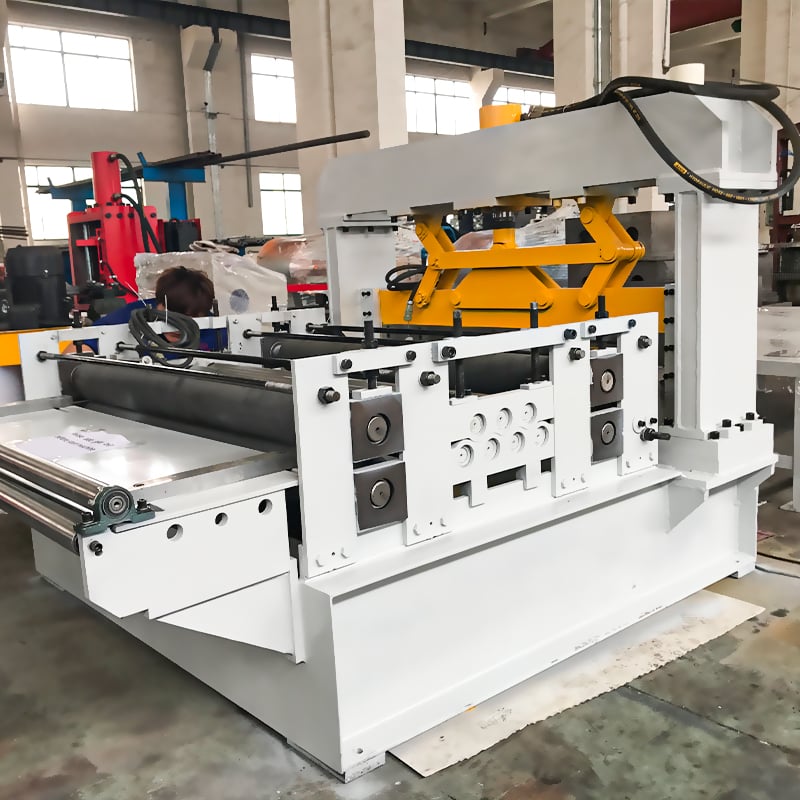
Sheet metal forming equipment
Common Lubrication Problems & How To Fix Them
Even with aproperly designed lubrication system, issues can arise. Below arecommon lubrication problemsand theirsolutions:
| Problem | Cause | Solution |
|---|---|---|
| Excessive Lubricant Buildup | Overuse of lubricant | Adjust application rate, use precision spray systems |
| Insufficient Lubrication | Clogged nozzles or incorrect lubricant type | Clean nozzles, switch to compatible lubricant |
| Roller Slipping | Too much lubricant on rollers | Optimize lubricant viscosity, reduce excess application |
| Material Sticking in Dies | Poor lubrication or wrong lubricant type | Use high-performance lubricants, increase application |
| Lubricant Contamination | Dust and debris mixing with lubricant | Install filtration systems, perform regular cleaning |
Pro Tip:Regular maintenance of lubrication nozzles and filters can prevent 80% of lubrication-related issues!
How To Maintain An Efficient Lubrication System
Proper lubrication system maintenanceprevents breakdowns, reduces costs, and ensures smooth production. Follow thesebest practicesto optimize lubrication performance:
1. Regularly Inspect Lubrication Lines & Nozzles
✅ Check forclogs, leaks, or uneven spray patterns. ✅ Clean nozzlesto ensure even lubricant distribution.
2. Use The Correct Lubricant For Your Material
✅Steel, aluminum, andstainless steelrequiredifferent lubricants. ✅ Avoidmixing lubricantsto prevent chemical reactions.
3. Monitor Lubricant Levels & Refill When Necessary
✅ Low lubricant levels causeincreased friction and roller wear. ✅ Useautomatic refill systemsforcontinuous lubrication.
4. Install Filtration Systems For Clean Lubricant Flow
✅ Contaminated lubricantdamages rollers and reduces efficiency. ✅ Usefiltration systemsto removedust, debris, and metal particles.
5. Optimize Lubricant Application For Minimal Waste
✅ Overuseincreases costs and creates messy workspaces. ✅ Useprecision misting or roller lubrication systemsto ensurecontrolled application.
Pro Tip:Proper lubrication maintenance can extend roller life by up to 3x!
Tomaximize efficiency, reduce maintenance costs, and enhance product quality, manufacturers must implementadvanced lubrication strategiestailored for roll forming machines. Below are themost effective techniquesto improve lubrication performance and extend equipment lifespan.
1. Automated Lubrication Systems For Continuous Operation
- Smart lubrication systemsusesensorsto apply lubricantonly when needed, reducing waste.
- Automated spray or roller lubricationensureseven distributionandminimizes manual intervention.
- Reducesdowntime associated with manual lubrication.
2. AI-Powered Lubrication Monitoring
- AI-based monitoring systemsanalyzelubrication patterns and detect inconsistencies.
- These systemsadjust lubricant flow in real-timeto preventroller wear and overheating.
- Helps inpredictive maintenance, reducingunexpected failures.
3. Eco-Friendly & Biodegradable Lubricants
- Many industries are shifting toenvironmentally friendly lubricantsthat arenon-toxic and biodegradable.
- Water-based synthetic lubricantsreduceenvironmental impact while maintaining efficiency.
- Less residue buildup, leading toeasier cleaning and lower maintenance costs.
Pro Tip:Automated lubrication systems can reduce lubricant consumption by up to 40%!
Optimizing Lubrication For Different Roll Forming Materials
Thebest lubrication methoddepends on thetype of material being formed. Below is a comparison ofoptimal lubrication strategiesfor different materials:
| Material | Best Lubrication Type | Application Method | Why It Works |
|---|---|---|---|
| Mild Steel | Oil-based or synthetic lubricants | Spray or roller lubrication | Prevents oxidation and die wear |
| Stainless Steel | Dry film or synthetic lubricants | Misting system | Reduces friction and prevents galling |
| Aluminum | Water-based lubricants | Drip or misting lubrication | Prevents material sticking to rollers |
| Galvanized Steel | Low-viscosity oil-based lubricants | Roller lubrication | Protects coating, reduces roller wear |
Pro Tip:Stainless steel roll forming requires dry film lubricants to prevent surface contamination!
How To Troubleshoot Lubrication System Failures
Even with a well-maintained lubrication system,problems can arise. Below arecommon lubrication system issues and how to fix them.
| Problem | Cause | Solution |
|---|---|---|
| Excess Lubricant on Material | Over-application of lubricant | Adjust flow rate, use precision spray nozzles |
| Rollers Not Getting Enough Lubrication | Clogged nozzles or low lubricant levels | Clean nozzles, refill lubricant reservoir |
| Uneven Lubrication Distribution | Misaligned spray system | Adjust nozzles for uniform coverage |
| Lubrication System Leaks | Loose fittings or damaged hoses | Inspect and replace worn-out parts |
| Lubricant Contamination | Dust, metal shavings mixing in lubricant | Install filtration systems to remove contaminants |
Pro Tip:Cleaning lubrication nozzles regularly can prevent 80% of lubrication failures!
How To Reduce Lubricant Waste & Improve Cost Efficiency
Lubricant wasteincreases operational costs and impacts sustainability. Here’s how toreduce lubricant wastewhile maintainingoptimal machine performance.
1. Use Precision Application Methods
✅Misting or spray systemsapply just the right amount of lubricant. ✅Roller lubricationensuresdirect application to forming areas, reducing excess use.
2. Implement Real-Time Lubrication Monitoring
✅IoT-enabled sensorstrack lubrication flow and detectoveruse or underuse. ✅ AI-basedpredictive analyticsadjust lubricationbased on forming speed and material type.
3. Recycle & Reuse Lubricants Where Possible
✅ Installfiltration systemsto removecontaminants from used lubricant. ✅ Usehigh-efficiency lubricants that require less frequent reapplication.
Pro Tip:Precision lubrication can reduce lubricant costs by up to 30%!
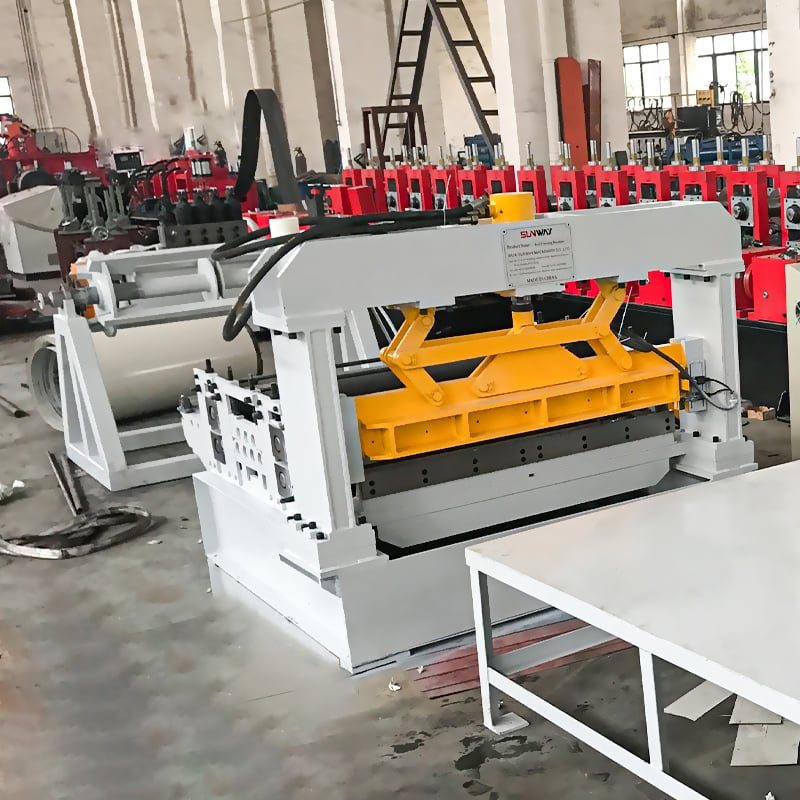
Sheet metal forming equipment
Choosing The Right Lubrication Equipment For Roll Forming
Theright lubrication equipmentensuresconsistent application, minimal waste, and maximum efficiency. Below is a comparison ofdifferent lubrication equipment options.
| Lubrication Equipment | Best For | Key Benefit | Cost Efficiency |
|---|---|---|---|
| Manual Spray Lubrication | Low-volume production | Simple & low maintenance | 💲💲💲 |
| Automatic Misting System | High-speed forming | Even distribution, low waste | 💲💲💲💲 |
| Drip Lubrication System | Medium-speed production | Reduces waste, easy to maintain | 💲💲 |
| Roller Lubricators | Precision forming | Applies lubricant directly to rollers | 💲💲💲💲💲 |
| Flood Lubrication System | Heavy-duty forming | Maximum cooling & friction reduction | 💲💲💲💲 |
Pro Tip:Roller lubricators offer the best balance between efficiency and cost savings for high-precision applications!
1. What Is The Best Lubrication Method For High-Speed Roll Forming?
- Misting or spray lubrication systemsare best forhigh-speed applicationsas theyevenly distribute lubricant while minimizing waste.
2. How Often Should I Replace Lubricant Filters?
- Lubricant filters should be replacedevery 3-6 monthsto preventcontaminant buildup and system clogging.
3. Can I Use The Same Lubricant For Different Metals?
- No!Different metals require different lubricants. For example:Aluminum needs water-based lubricantsto prevent sticking.Stainless steel requires dry film lubricantsto avoid contamination.
4. How Do I Prevent Excess Lubrication From Affecting Product Quality?
- Useprecision lubrication systemslikeroller lubricators or misting nozzlesto apply only the necessary amount of lubricant.
5. Where Can I Buy High-Quality Lubrication Systems For Roll Forming Machines?
Forcustom-built roll forming lubrication systems, visitWUXI SUNWAY MACHINERY CO., LTD.
Awell-optimized lubrication systemis crucial forreducing wear, improving efficiency, and ensuring high-quality roll forming production. By implementingautomated lubrication, AI-powered monitoring, and eco-friendly lubricants, manufacturers canreduce maintenance costs, extend machine lifespan, and improve overall performance.
WUXI SUNWAY MACHINERY CO., LTDis aleading global manufacturerofcustom-built roll forming machines and lubrication systems, offeringadvanced technology, expert support, and competitive pricing.
Want to optimize yourroll forming lubrication system?Contact us today!