 English
 Spanish
 French
 Bengali
 Russian
 Arabic
 Turkish
Introduction
Thetooling designin a roll forming machine is critical toproducing high-quality metal profiles with precision and efficiency. Withoutproper tooling, manufacturers face issues likemisalignment, excessive material waste, and inconsistent profile dimensions.
So, how do youdesign efficient roll forming toolingthat ensuressmooth production, minimal waste, and maximum accuracy?
In this guide, we’ll cover: ✅Key principles of roll forming tooling design ✅Factors affecting tooling performance ✅Best practices for optimizing tooling lifespan ✅Common tooling design issues and solutions ✅How to choose the right tooling materials
Let’s explore theengineering behind roll forming tooling designand how tomaximize efficiency and precisionin 2025!
Key Principles Of Roll Forming Tooling Design
Roll forming tooling consists ofprecision-engineered rollersthat gradually shape metal sheets intocomplex profiles. The design process involvesseveral key principlesto ensurehigh-speed, defect-free production.
1. Proper Roller Pass Design
- Each roller station shouldgradually form the profilewithout excessive material stress.
- Progressive formingpreventsmetal cracking and misalignment issues.
2. Material Flow Optimization
- The material shouldflow smoothlythrough the rollers withoutbuckling or wrinkling.
- Properedge controlensuresconsistent profile width and thickness.
3. Minimized Tooling Wear & Friction Reduction
- Hardened steel rollersreduce wear and extend tooling lifespan.
- Lubrication systemsprevent friction, reducingenergy consumption and roller degradation.
4. Clearance & Tolerance Control
- Clearance between rollersmust matchmetal thicknessto preventoverforming or underforming.
- Fine-tuned tolerancesensureconsistent profile accuracy.
5. Stress Distribution & Compensation
- Uneven forming stress leads toprofile distortion and edge cracking.
- Balanced stress distributionacross the rollers ensuressmooth forming.
Pro Tip:Proper tooling design can improve roll forming accuracy by 30% and reduce material waste by 20%!
Factors Affecting Roll Forming Tooling Performance
Several factorsinfluence the performance and longevity of roll forming tooling. Addressing these factors canoptimize production and minimize downtime.
1. Tooling Material Selection
- High-speed steel (HSS) and carbide toolinglast longer than standard steel.
- Chrome-coated or nitrided rollersreduce friction and extend lifespan.
2. Roller Alignment & Calibration
- Misaligned rollers causeprofile distortion and excessive wear.
- Regular calibrationensuresconsistent profile accuracy.
3. Lubrication & Cooling Systems
- Proper lubricationreduces heat buildup and friction.
- Cooling systemspreventthermal expansion of rollers.
4. Roll Forming Speed & Pressure Control
- High-speed forming without proper pressure controlcauses metal cracking.
- Adjusting forming speedensures smooth material flow and uniform shaping.
5. Profile Complexity & Bending Angles
- Complex profiles requiremore roller passesto prevent excessive stress.
- Gradual bending anglesreduceprofile defects and splitting.
Pro Tip:Using high-quality tooling materials can extend roller lifespan by up to 50%!
Best Practices For Optimizing Tooling Lifespan
Proper tooling maintenanceprevents premature wear and ensures long-term efficiency. Follow these best practices tomaximize tooling durability.
1. Use Hardened Tooling Materials
✅Carbide-coated or nitrided steel rollerslast longer than standard rollers. ✅High-speed steel (HSS) toolingresists wear and maintains sharp edges.
2. Implement Preventive Maintenance
✅ Regularly inspectroller alignment and surface wear. ✅ Applyhigh-quality lubricantsto reducefriction and overheating.
3. Optimize Forming Pressure & Speed
✅ Excessive pressure causestooling wear and material cracking. ✅ Adjust forming speedbased on material thickness and profile complexity.
4. Keep Tooling Clean & Debris-Free
✅ Dirt and debrisincrease friction and reduce forming accuracy. ✅ Regular cleaningprevents surface scratches and roller damage.
5. Store Tooling In A Controlled Environment
✅Humidity and temperature fluctuationscausetooling corrosion. ✅ Store rollers indry, climate-controlled conditionsto prevent rust.
Pro Tip:A well-maintained tooling system can last 3x longer than an unmaintained one!
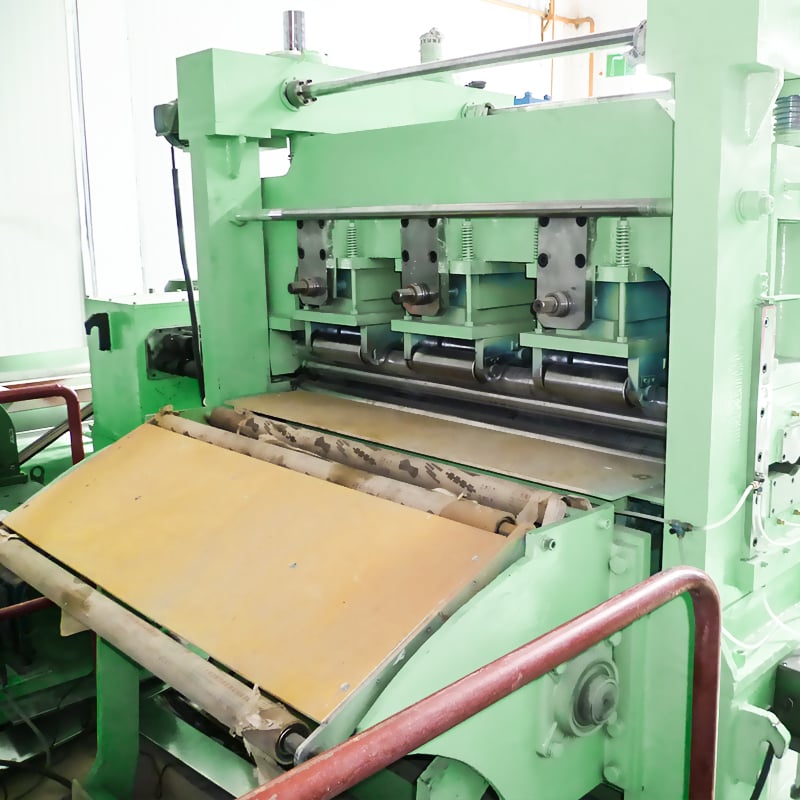
Cutting unit on a metal forming line
Common Roll Forming Tooling Issues & Solutions
Even withproper design and maintenance, tooling issues can arise. The table below highlightscommon tooling problems and how to fix them.
| Issue | Cause | Solution |
|---|---|---|
| Profile Distortion | Misaligned rollers, excessive forming pressure | Recalibrate roller alignment, reduce pressure |
| Excessive Roller Wear | Poor lubrication, low-quality tooling material | Apply proper lubricants, use hardened steel rollers |
| Material Cracking | Sharp bending angles, excessive forming speed | Reduce forming speed, increase number of passes |
| Surface Scratches on Profiles | Dirty rollers, high friction | Clean rollers regularly, apply lubrication |
| Uneven Profile Thickness | Incorrect roller clearance settings | Adjust roller spacing to match material thickness |
Pro Tip:80% of profile defects are due to misalignment—regular calibration ensures perfect forming!
Choosing The Right Tooling Material For Roll Forming Machines
Thetooling materialplays a crucial role inroller lifespan, forming quality, and maintenance costs. Below is a comparison of commonly used tooling materials.
| Tooling Material | Durability | Friction Resistance | Cost | Best For |
|---|---|---|---|---|
| High-Speed Steel (HSS) | ⭐⭐⭐⭐ | ⭐⭐⭐ | 💰💰💰 | General roll forming |
| Carbide-Coated Steel | ⭐⭐⭐⭐⭐ | ⭐⭐⭐⭐⭐ | 💰💰💰💰 | Heavy-duty, high-volume production |
| Chrome-Plated Rollers | ⭐⭐⭐ | ⭐⭐⭐⭐ | 💰💰 | Corrosion resistance |
| Nitrided Steel | ⭐⭐⭐⭐ | ⭐⭐⭐ | 💰💰💰 | High-precision forming |
Pro Tip:Carbide-coated rollers provide the best wear resistance and longest lifespan for high-volume production!
Optimizing roll forming tooling design requiresprecision engineering, advanced material selection, and cutting-edge technology integration. Below areadvanced techniquesthatenhance tooling efficiency, durability, and accuracy.
1. Multi-Stage Roll Pass Design For Complex Profiles
- Gradual forming in multiple stagespreventsmaterial cracking and stress concentration.
- Optimized roller geometryensuressmooth material flow and even stress distribution.
- Reducesspring-back effectby controllingincremental bending angles.
2. Cad/Cam Simulation For Tooling Design Optimization
- Computer-aided design (CAD)helps tovisualize the forming process before production.
- Finite Element Analysis (FEA)predictsmaterial behavior, reducing trial-and-error adjustments.
- Ensuresperfect roller profiling and eliminates design flaws.
3. High-Precision CNC Machining For Tooling Fabrication
- CNC machining ensuresconsistent roller dimensions and tight tolerances.
- Reduceshuman error in manual tooling fabrication.
- Enablesrepeatability in mass productionof roll forming dies and rollers.
Pro Tip:Advanced CAD simulations reduce tooling setup time by 50% and improve forming accuracy!
How To Improve Tooling Durability & Reduce Wear
Tooling wearaffects product quality, increases maintenance costs, and reduces production efficiency. Here’s how toextend tooling life and reduce wear.
1. Surface Hardening Treatments
- Nitriding and chrome platingincreaseroller hardness and wear resistance.
- Carbide-coated rollersreducefriction and surface damage.
2. Proper Lubrication & Cooling Systems
- Automated lubrication systemspreventheat buildup and roller wear.
- Coolant circulationmaintainsstable forming temperatures.
3. Regular Tooling Inspection & Maintenance
- Conductroutine inspectionsto detectearly signs of wear and misalignment.
- Replacedamaged rollers before they affect profile accuracy.
Pro Tip:Using nitrided steel rollers can extend tooling lifespan by up to 40%!
How To Reduce Material Waste In Roll Forming Tooling
Material waste increasesproduction costs and reduces efficiency. Here’s how tominimize scrap rates and maximize yield.
1. Optimize Roller Gap & Alignment
- Improper roller alignmentcauses profile distortions and edge cracking.
- Adjustroller clearance based on material thickness.
2. Use AI-Based Defect Detection
- AI-powered cameras monitorreal-time profile accuracy.
- Detectsforming defects early, reducing material waste.
3. Implement CNC Precision Cutting
- CNC-controlled cutting systems ensureaccurate profile lengths.
- Reducesmaterial overuse and scrap production.
Pro Tip:Optimizing tooling alignment can reduce material waste by up to 20%!
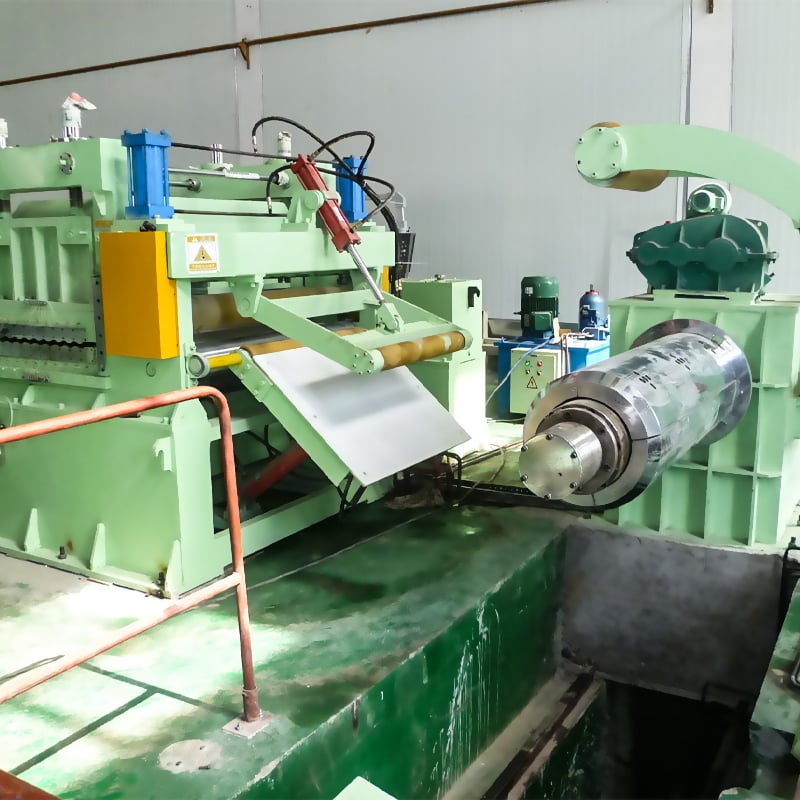
Metal sheet passing through processing equipment
Choosing The Right Roll Forming Tooling Coating
Thecorrect tooling coatingenhanceswear resistance, reduces friction, and improves forming precision. Below is a comparison ofpopular roll forming tooling coatings.
| Coating Type | Wear Resistance | Friction Reduction | Best For |
|---|---|---|---|
| Nitriding | ⭐⭐⭐⭐ | ⭐⭐⭐ | General roll forming |
| Chrome Plating | ⭐⭐⭐ | ⭐⭐⭐⭐ | Corrosion protection |
| Carbide Coating | ⭐⭐⭐⭐⭐ | ⭐⭐⭐⭐⭐ | High-volume production |
| Titanium Nitride (TiN) | ⭐⭐⭐⭐ | ⭐⭐⭐⭐ | Extreme wear resistance |
Pro Tip:Carbide-coated tooling lasts 50% longer than standard steel rollers!
Common Design Mistakes In Roll Forming Tooling & How To Avoid Them
Even experienced manufacturers canmake tooling design mistakesthat lead toinefficiency and defects. Here’s how toavoid them.
| Mistake | Problem Caused | Solution |
|---|---|---|
| Insufficient Roller Passes | Causes excessive material stress | Increase number of forming passes |
| Incorrect Roller Clearance | Leads to uneven thickness and misalignment | Adjust clearance based on material thickness |
| Sharp Bending Angles | Causes material cracking | Use gradual bending angles |
| Low-Quality Tooling Material | Increases wear and reduces lifespan | Use hardened steel or carbide coatings |
| Lack of Lubrication | Produces excessive friction and roller damage | Install automated lubrication systems |
Pro Tip:Proper roller clearance settings can improve forming accuracy by 30%!
1. What Is The Best Material For Roll Forming Tooling?
- Carbide-coated steel and nitrided steeloffer the best durability and wear resistance.
2. How Often Should I Replace Roll Forming Tooling?
- It depends onmaterial quality, production volume, and maintenance. High-quality tooling can lastover 5 yearswith proper care.
3. What Causes Excessive Roller Wear In Roll Forming Machines?
- Poor lubrication, high friction, and incorrect roller alignmentcontribute topremature wear.
4. How Do I Prevent Material Cracking In Roll Forming?
- Usegradual bending angles,optimize forming speed, andreduce forming pressure.
5. Where Can I Buy High-Quality Roll Forming Tooling?
Forcustom-built roll forming tooling, visitWUXI SUNWAY MACHINERY CO., LTD.
Theright tooling designis essential forefficient, high-precision roll forming. By choosinghigh-quality materials, optimizing roller alignment, and implementing preventive maintenance, manufacturers canreduce downtime, increase accuracy, and extend tooling lifespan.
WUXI SUNWAY MACHINERY CO., LTDis aleading global manufacturerofcustom-built roll forming machines and tooling, offeringadvanced technology, expert support, and competitive pricing.
Want ahigh-quality roll forming machine?Contact us today!