 English
 Spanish
 French
 Bengali
 Russian
 Arabic
 Turkish
Overview Of Roll Forming Machine Design
Thedesign of a roll forming machineplays a crucial role inensuring precision, efficiency, and durabilityin metal forming processes. Whether forroofing sheets, solar mounting brackets, or automotive components, a well-designed roll forming machine can deliverhigh-speed, high-accuracyproduction with minimal material waste.
Key Elements Of Roll Forming Machine Design
✅Roll Tooling & Roller Stations– Determines profile accuracy and material flow. ✅Frame & Structural Components– Ensures stability and vibration control. ✅Drive System & Motor Power– Affects speed, torque, and energy efficiency. ✅Cutting & Punching Mechanism– Provides precise shaping and hole placement. ✅Control System & Automation– Enhances efficiency through PLC, CNC, and IoT integration.
In this guide, we’ll explore:
✅Fundamentals of roll forming machine design ✅Detailed breakdown of key components ✅Best materials for roll forming machine construction ✅How to optimize roll forming machine efficiency ✅Latest innovations in roll forming design for 2025
Let’s dive in!
Fundamentals Of Roll Forming Machine Design
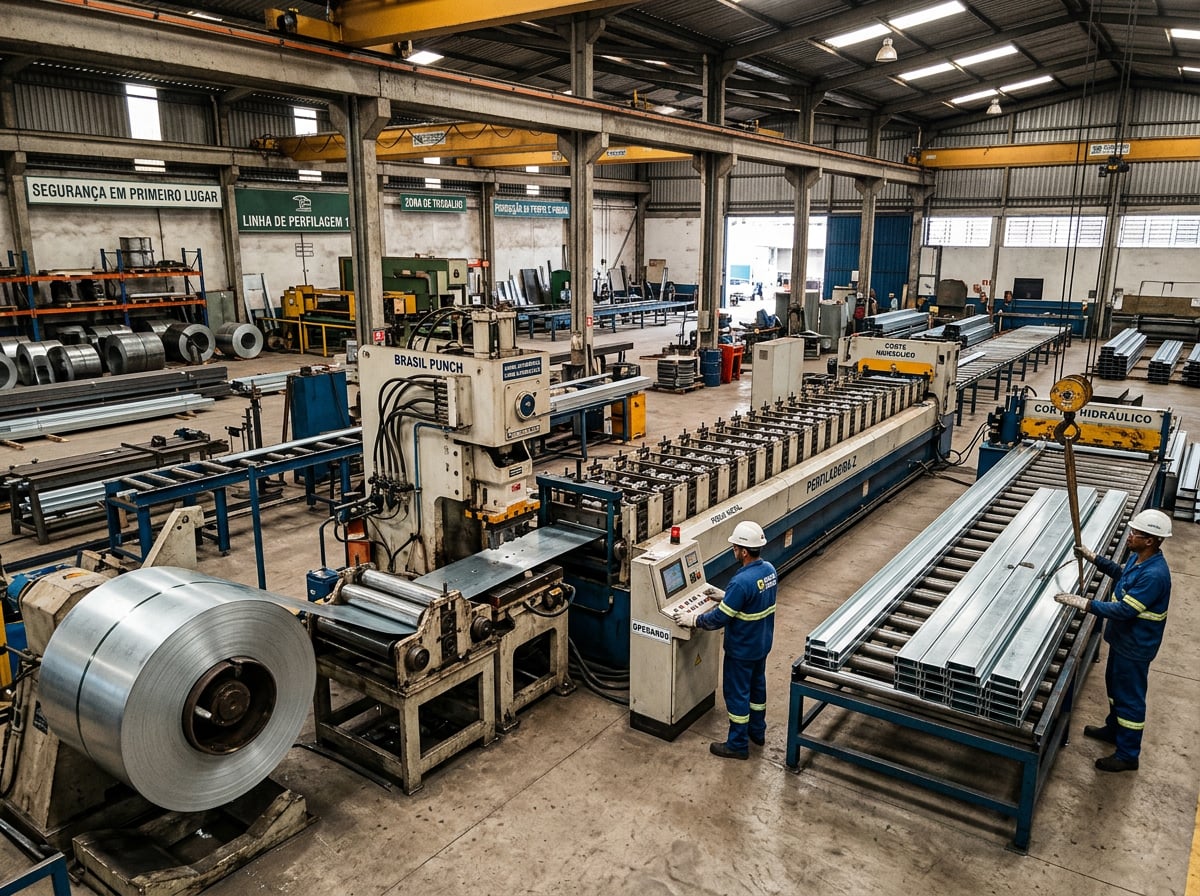
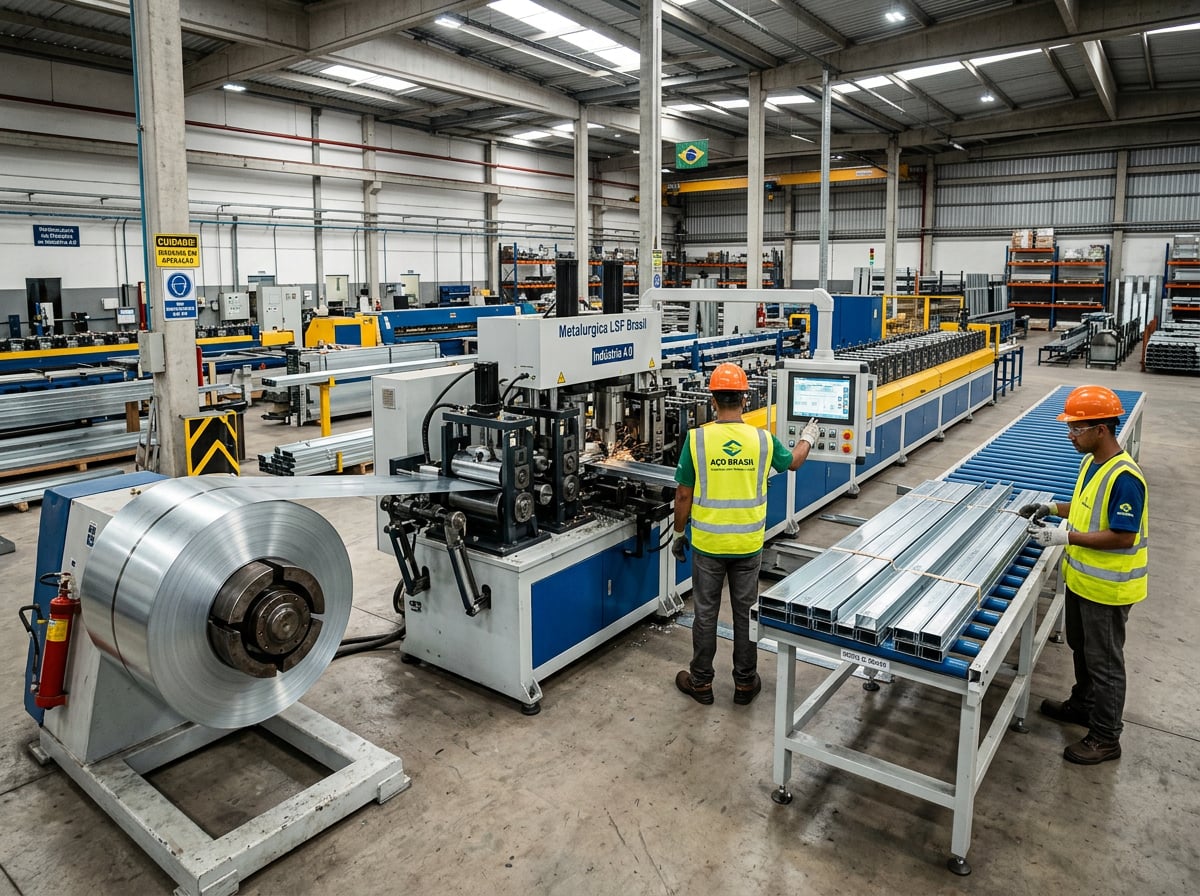
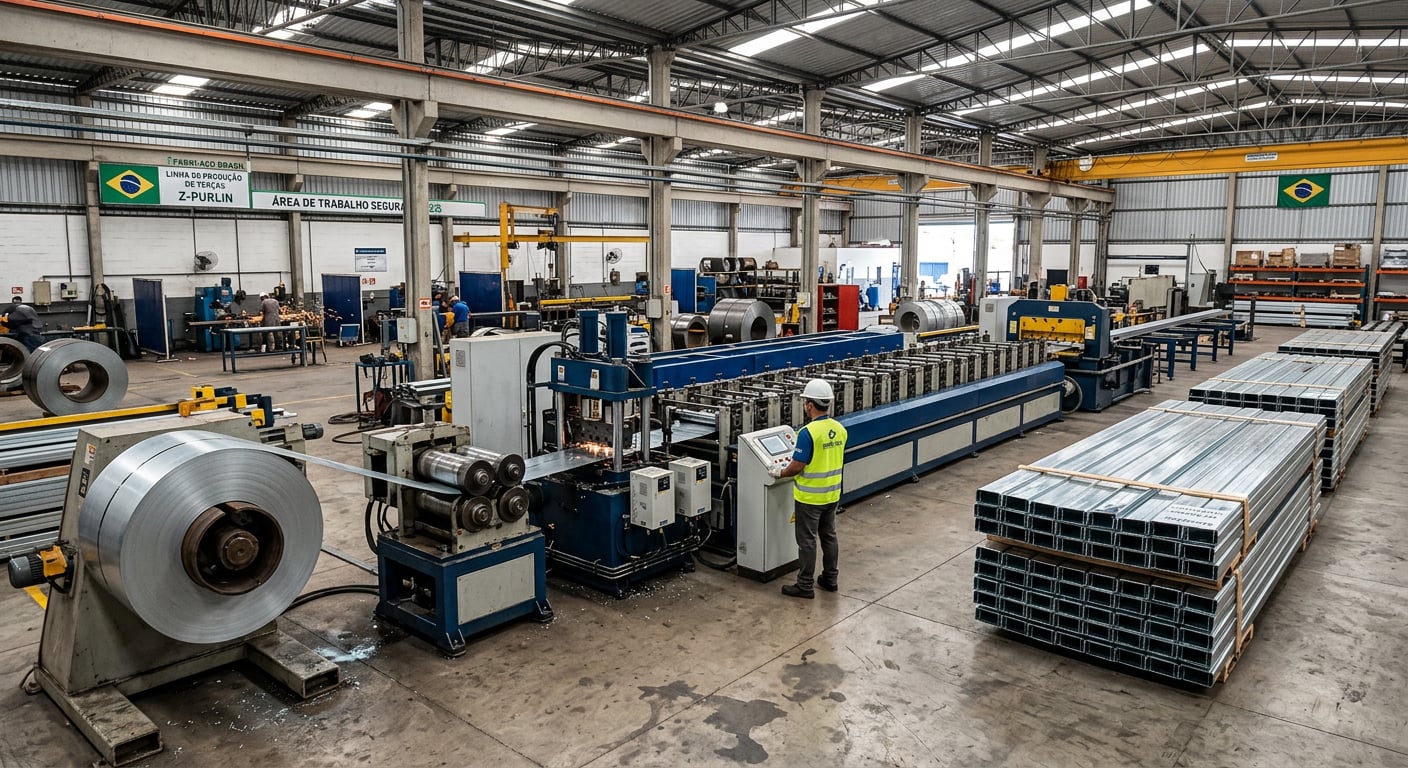
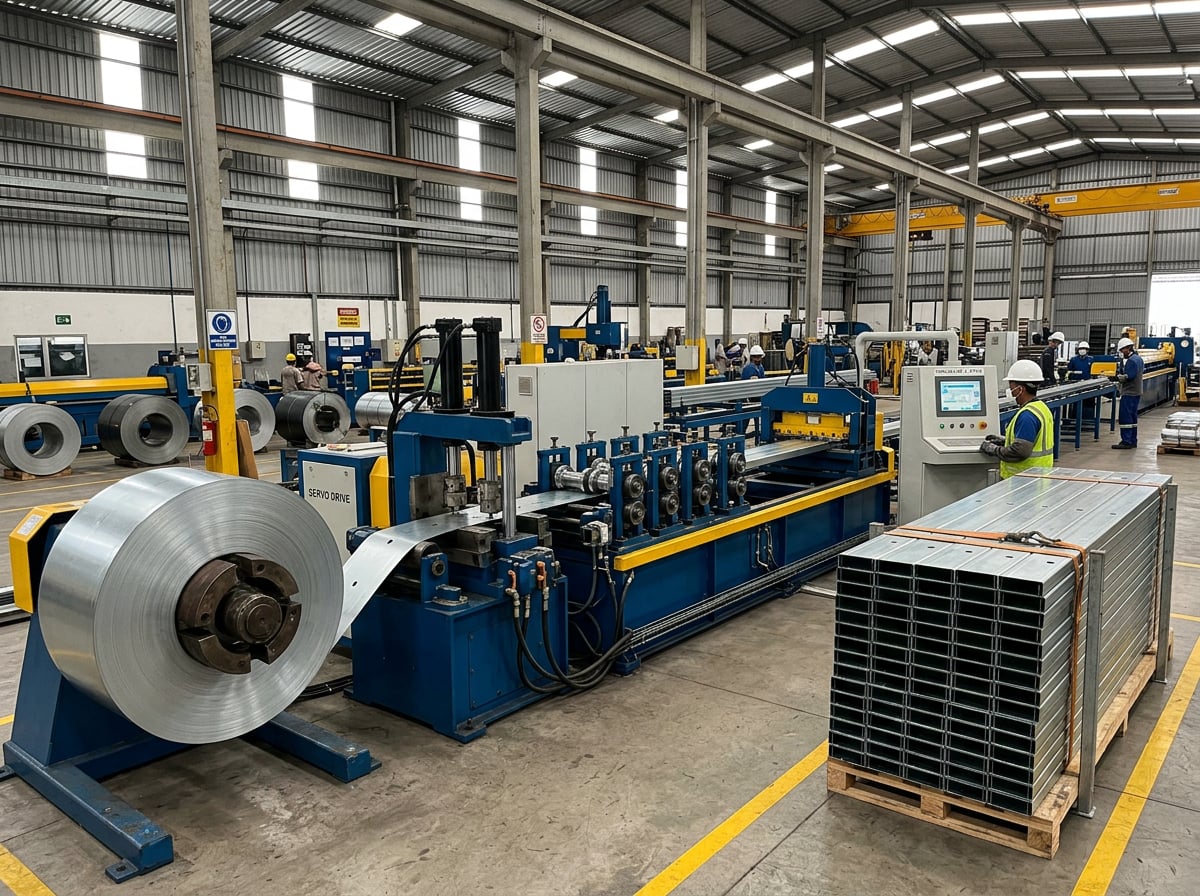
Aroll forming machineconsists of multipleroller stationsthat gradually shape a metal sheet into adesired profile. The design must account for:
✅Material properties– Different metals require different roller designs. ✅Profile complexity– Simple vs. intricate shapes determine roller station count. ✅Production speed– High-speed machines need reinforced structural designs. ✅Cutting & punching needs– Some profiles requirepre-cutting, post-cutting, or inline punching.
Basic Structure Of A Roll Forming Machine
| Component | Function |
|---|---|
| Decoiler | Feeds the raw metal coil into the machine |
| Guiding & Leveling System | Aligns the metal sheet for accurate forming |
| Roller Stations | Gradually shapes the metal through multiple passes |
| Drive System (Motor & Chain Drive) | Provides power to rotate rollers |
| Cutting & Punching Unit | Cuts the profile to the required length |
| Control System (PLC, CNC, IoT) | Automates and monitors the roll forming process |
| Exit & Stacker System | Collects finished products for packaging |
Pro Tip:A well-designed roll forming machine reducesmaterial waste by up to 30%while increasingproduction speed by 40%.
Key Design Components Of A Roll Forming Machine
The efficiency of a roll forming machine heavily depends on thedesign of its key components.
1. Roll Tooling & Roller Stations
- Material:High-strength tool steel or carbide-coated rollers.
- Design Consideration:The roller pass schedule should ensuregradual formingto prevent stress fractures.
- Optimization:CNC-machined rollers improveaccuracy and longevity.
2. Drive System & Motor Power
- Types:Chain drive, gearbox-driven, or servo motor systems.
- Power Requirement:Higher power needed forthicker materials or high-speed production.
- Innovation:Servo-driven motorsenhanceprecision and energy efficiency.
3. Cutting & Punching Mechanism
- Types:Hydraulic cutting, flying shear, or rotary die cutting.
- Design Consideration:Post-cut systems work best forcontinuous high-speed production.
- Optimization:Servo-driven punching unitsensureaccurate hole placements.
4. Frame & Structural Components
- Material:Heavy-duty steel frame toreduce vibration and increase machine lifespan.
- Design Factor:Reinforced structures ensurestability at high speeds.
Did you know?A well-designed roll forming machine can last15-25 yearswith proper maintenance!
Best Materials For Roll Forming Machine Construction
The choice ofmaterialsimpacts thedurability, precision, and efficiencyof a roll forming machine.
Comparison Of Materials Used In Roll Forming Machine Design
| Component | Best Material | Reason |
|---|---|---|
| Rollers | High-strength tool steel (D2, SKD11) | Wear-resistant, long-lasting |
| Machine Frame | Heavy-duty structural steel | Reduces vibration, ensures stability |
| Cutting Blades | High-carbon steel or tungsten carbide | Maintains sharpness, reduces replacement costs |
| Drive System | Hardened alloy gears | Withstands high torque and stress |
| Sensors & Electronics | Industrial-grade PLC components | Ensures reliability in harsh environments |
Pro Tip:Carbide-coated rollerslast3x longerthan standard steel rollers!
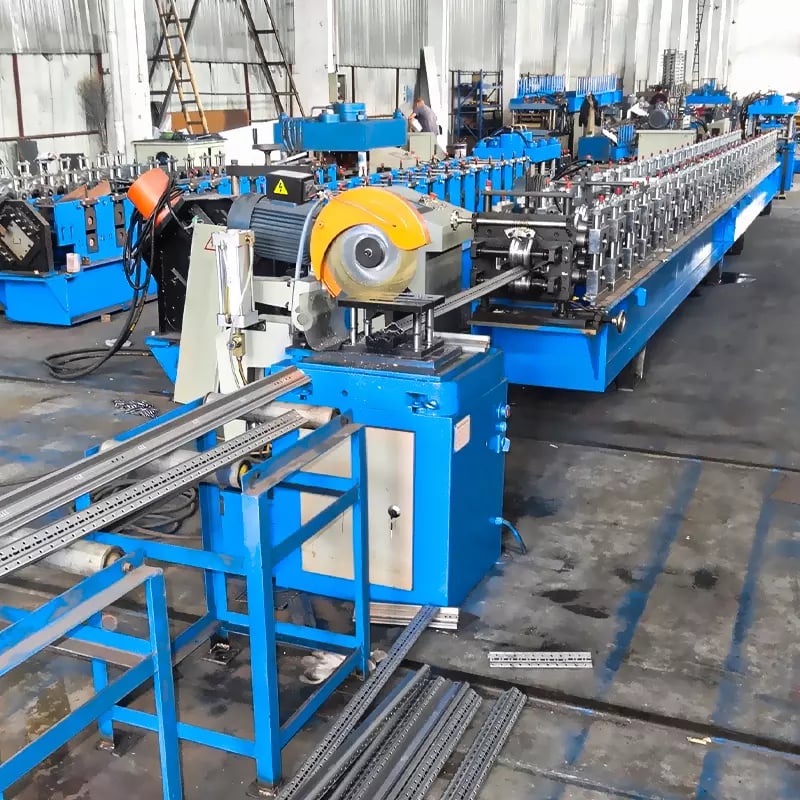
Cutting unit on a metal forming line
How To Optimize Roll Forming Machine Efficiency
Optimizing roll forming machine design canincrease productivity, reduce waste, and enhance precision.
Best Practices For Maximum Efficiency
| Optimization Method | Benefits |
|---|---|
| Use CNC-machined rollers | Ensures high accuracy and minimal material stress |
| Implement servo-driven motors | Reduces energy consumption and improves speed control |
| Upgrade to IoT-enabled monitoring | Allows real-time diagnostics and remote troubleshooting |
| Use reinforced machine frames | Reduces vibration and increases stability |
| Employ AI-based defect detection | Minimizes waste and improves quality control |
Upgrading to an IoT-enabled roll forming machine reduces maintenance costs by 25%!
Latest Innovations In Roll Forming Machine Design For 2025
As manufacturing evolves,roll forming machine designis incorporatingcutting-edge technologyto improve performance.
1. AI-Powered Roll Forming Machines
- Smart sensors detect defects in real time, reducing waste.
- AI-based adjustments optimizeroller pressure and speeddynamically.
2. Industry 4.0 & Iot Integration
- Machines are nowcloud-connected, allowingremote monitoring and predictive maintenance.
- Operators can adjust settingsvia mobile appsfor improved efficiency.
3. Hybrid Servo-Hydraulic Cutting Systems
- Combinesprecision of servo motorswithpower ofhydrauliccuttingforflawless edge finishing.
- Reduceswear and tearon cutting components.
Future-proof your production by investing in next-gen roll forming technology!
Even with a well-designed roll forming machine,operational challengescan arise due tomaterial inconsistencies, roller misalignment, or mechanical wear. Understanding these issues and implementingpreventive solutionscan significantly improve production efficiency.
Troubleshooting Guide For Roll Forming Machine Design Issues
| Issue | Possible Cause | Solution |
|---|---|---|
| Profile Distortion or Warping | Incorrect roller alignment or uneven pressure | Adjust roller stations and check roller pressure settings |
| Excessive Material Waste | Improper cutting mechanism or incorrect feed rate | Optimize cutting precision and calibrate feed settings |
| Roller Wear & Tear | Low-quality roller material or lack of lubrication | Use high-strength tool steel and apply proper lubrication |
| Inconsistent Hole Punching | Misaligned punching dies or weak hydraulic system | Realign dies and check hydraulic pressure levels |
| Machine Overheating | Insufficient cooling system or motor overload | Upgrade cooling system and ensure proper motor sizing |
Pro Tip:Regularroller realignmentandservo-driven adjustmentscan improveprofile accuracy by 30%.
Future Trends In Roll Forming Machine Design For 2025
WithIndustry 4.0andsmart manufacturing, roll forming machines are becoming moreintelligent, efficient, and adaptive.
Top Innovations In Roll Forming Machine Design
1. AI-Driven Quality Control
- AI-powered sensorsdetect defects in real-time, reducing material waste.
- Improvesproduct accuracy and reduces rejection rates.
2. Digital Twin Technology
- Virtual simulations allowmachine testing before production, optimizing efficiency.
- Reducestrial-and-error costsin machine setup.
3. Advanced Servo Motor Integration
- Servo-controlled roller stationsprovidebetter speed controlandenergy savings.
- Ensuresconsistent material feed and precise forming.
4. Smart Iot-Connected Roll Forming Machines
- Enablesremote diagnostics and predictive maintenance.
- Reducesunexpected downtimes by 40%.
Upgrading to AI-powered roll forming machines can increase production efficiency by up to 50%!
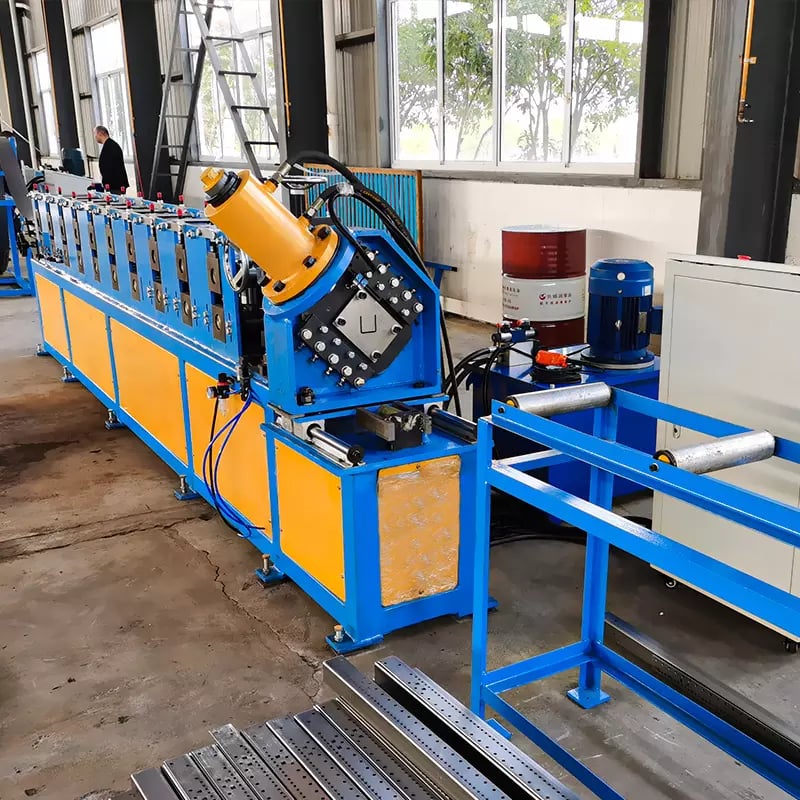
Sheet metal forming equipment
Roll Forming Vs. Extrusion: Which Is Better?
Bothroll forming and extrusionare used for metal profile production, but they servedifferent applications.
Comparison Between Roll Forming And Extrusion
| Feature | Roll Forming | Extrusion |
|---|---|---|
| Process Type | Continuous cold forming | Heated material pressed through a die |
| Material Compatibility | Steel, aluminum, copper | Aluminum, plastic |
| Production Speed | Higher for long profiles | Slower for custom profiles |
| Tooling Costs | Higher initial investment, lower long-term cost | Lower upfront cost, but higher per-unit cost |
| Best For | Roofing sheets, solar brackets, automotive parts | Complex aluminum profiles |
Verdict:If you needhigh-speed production of long metal profiles,roll forming is the best choice.
Automation In Roll Forming Machine Design
Automation is transforming roll formingfrom a manual process to a high-precision, fully autonomous system.
Key Benefits Of Automation In Roll Forming Machines
| Feature | Benefit |
|---|---|
| AI-Powered Defect Detection | Reduces waste and improves quality control |
| PLC & CNC Integration | Ensures precision and reduces manual adjustments |
| Automated Profile Adjustments | Minimizes downtime when switching between profiles |
| IoT-Enabled Monitoring | Allows real-time diagnostics and performance tracking |
| Energy-Efficient Servo Motors | Lowers operational costs and improves sustainability |
Fully automated roll forming machines fromSunway Machineimprove production efficiency by up to 40%!
Maintenance Strategies For Roll Forming Machine Longevity
Propermaintenanceensureslonger machine lifespan and uninterrupted production.
Essential Maintenance Checklist For Roll Forming Machines
| Task | Frequency | Purpose |
|---|---|---|
| Lubricate Rollers & Bearings | Weekly | Prevents wear and tear |
| Check Roller Alignment | Monthly | Ensures accurate profile production |
| Inspect Cutting Mechanism | Quarterly | Prevents defective cuts and misalignment |
| Clean Machine Components | Daily | Removes dust and debris that can affect performance |
| Update Software & Calibration | Semi-Annually | Keeps automation functions optimized |
Pro Tip:Scheduled maintenance canextend machine lifespan by 50%andreduce failures by 70%.
1. What Factors Influence Roll Forming Machine Design?
Key factors includematerial type, profile complexity, roller station count, and automation level.
2. Can I Customize A Roll Forming Machine For My Specific Profile?
Yes! Sunway Machinespecializes incustom roll forming machine designstailored to unique production needs.
3. What Is The Best Material For Roll Forming Machine Rollers?
High-strength tool steel (D2, SKD11) or carbide-coated rollersprovide the best durability and precision.
4. How Many Roller Stations Does A Typical Roll Forming Machine Have?
The number varies from6 to 30+, depending on the profile complexity.
5. What Is The Lifespan Of A Well-Designed Roll Forming Machine?
With proper maintenance, a high-quality roll forming machine can last15-25 years.
6. What Industries Benefit From Roll Forming Machines?
Industries such asconstruction, automotive, racking & shelving, HVAC, and renewable energyrely on roll forming machines forprecise and efficient steel processing.
7. Where Can I Get A Custom-Designed Roll Forming Machine?
Forhigh-quality, customizable roll forming machines, visitWUXI SUNWAY MACHINERY CO., LTD.
Thedesign of a roll forming machinesignificantly impactsefficiency, precision, and production costs. Whether you need astandard or custom roll forming solution, investing inadvanced design featuresensureslong-term profitability.
WUXI SUNWAY MACHINERY CO., LTDis aleading global manufacturerof roll forming machines, offeringcustom-built solutions, expert support, and cutting-edge technology.
Want acustom-designed roll forming machine?Contact us today!